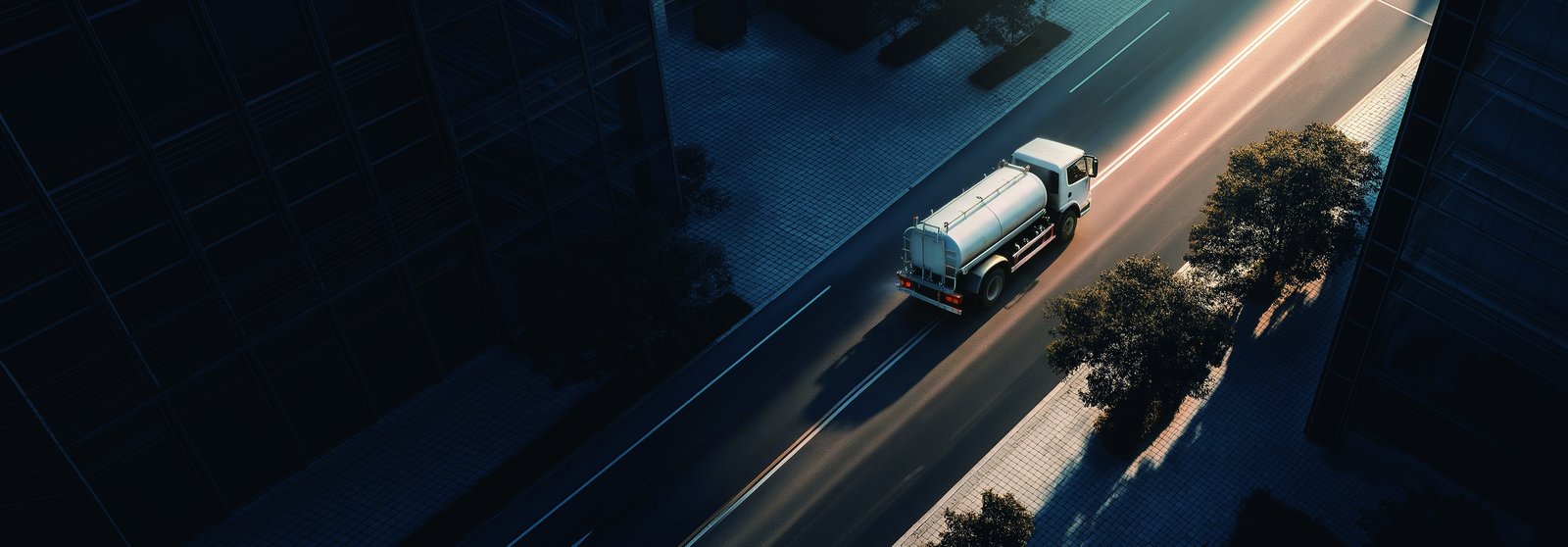
Tourism is one of the few industries where the value of quiet operation can be priced directly. A refuse truck arriving at 05:00 outside a hotel with 400 occupied rooms is either an operational necessity or a complaint generator, and the difference is the powertrain. The Dongfeng KT3E electric garbage truck — CATL 166–262 kWh LFP, LvKong 110–210 kW with a 4-speed AMT — is the refuse collector we place into hotel, resort and tourism-district service, and this article covers how to plan routes, collection windows and bin-lift duty around it.
| Variable | Residential collection | Hotel / resort collection |
|---|---|---|
| Collection window | Daytime, kerbside | Pre-dawn or late night, service yards |
| Noise sensitivity | Moderate | Extreme — guests are asleep metres away |
| Waste composition | Mixed household | High organic, high packaging, high glass |
| Volume seasonality | Stable | Peak occupancy swings of 40–70% |
| Access constraints | Street width | Service corridors, height limits, landscaping |
| Service standard | Schedule-driven | Guest-experience-driven |
Refuse collection noise has three components, and electrification removes two of them:
At the kerb, a diesel refuse truck measures roughly 88–95 dB(A) during compaction. The KT3E measures roughly 65–72 dB(A). That is not a marginal difference: it is the difference between a permitted 05:00 collection and a complaint file.
Resort and hotel districts have a service geometry that changes the route plan:
Refuse collection energy is dominated by the lift and compaction cycle, not by distance:
| Load component | Draw | Per-shift energy (8 h) |
|---|---|---|
| Traction, 60–110 km | 0.75–1.05 kWh/km | 50–105 kWh |
| Bin lift cycles (180–320 per shift) | 1.2–2.5 kWh per cycle | 30–60 kWh |
| Compaction / packer | 4–9 kW when active | 20–45 kWh |
| Cab HVAC and lighting | 1.5–4 kW | 12–32 kWh |
| Typical total | — | 112–242 kWh |
Read that against the pack options: 166 kWh covers light resort routes with moderate lift counts; 262 kWh covers high-lift-count routes or those combining resort and municipal work. Under-specifying the pack here manifests as a truck that cannot finish a peak-season shift, which is the operational failure mode to avoid.
Tourism operators often have the advantage of a private service yard with existing electrical capacity. Two configurations:
One specification note specific to hospitality: charging equipment should be sited away from guest areas and, where possible, screened. Even quiet chargers produce a low hum, and resort operators are sensitive to it.
Hotel and resort waste is usually collected under one of three arrangements, and each changes who pays for electrification:
For contractors, the bid strategy matters: see municipal and district tender bid strategy.
Southeast Asia's tourism economy concentrates enormous waste volumes into small coastal and island districts with dense hotel development and limited tolerance for noise — an ideal application. Our Thailand market page covers import, deployment and support for Thai operators, including island and coastal logistics. Related reading: Thailand market and incentives analysis, city air quality and electric sanitation and island deployment logistics.
KT3E FOB pricing typically falls in the USD 52,000–82,000 band depending on body volume, pack and bin-lift specification, with the CATL pack warranted 8 years / 4,500 cycles to 80% state of health.
Hospitality waste contracts are usually let on service level rather than on tonnage, which changes how an operator should price and plan an electric fleet.
Where a contractor bids both municipal and hospitality work, the same vehicle class can serve both, provided the pack is sized for the higher lift-count duty. That flexibility is one of the stronger arguments for standardising on a single refuse platform across a mixed contract book, and it simplifies the depot charging design as well.
Ready to electrify your fleet? Contact Shaanxi Fenghan Trading — authorized Dongfeng EV truck exporter. WhatsApp: +86 153 1943 1311 | Email: sales@fenghan-trade.com | dongfengevtrucks.com
🌐 Our Network: Fenghan Trade (SAGMOTO/SHACMAN Truck Export) · SAGMOTO cargo truck flatbed box stake