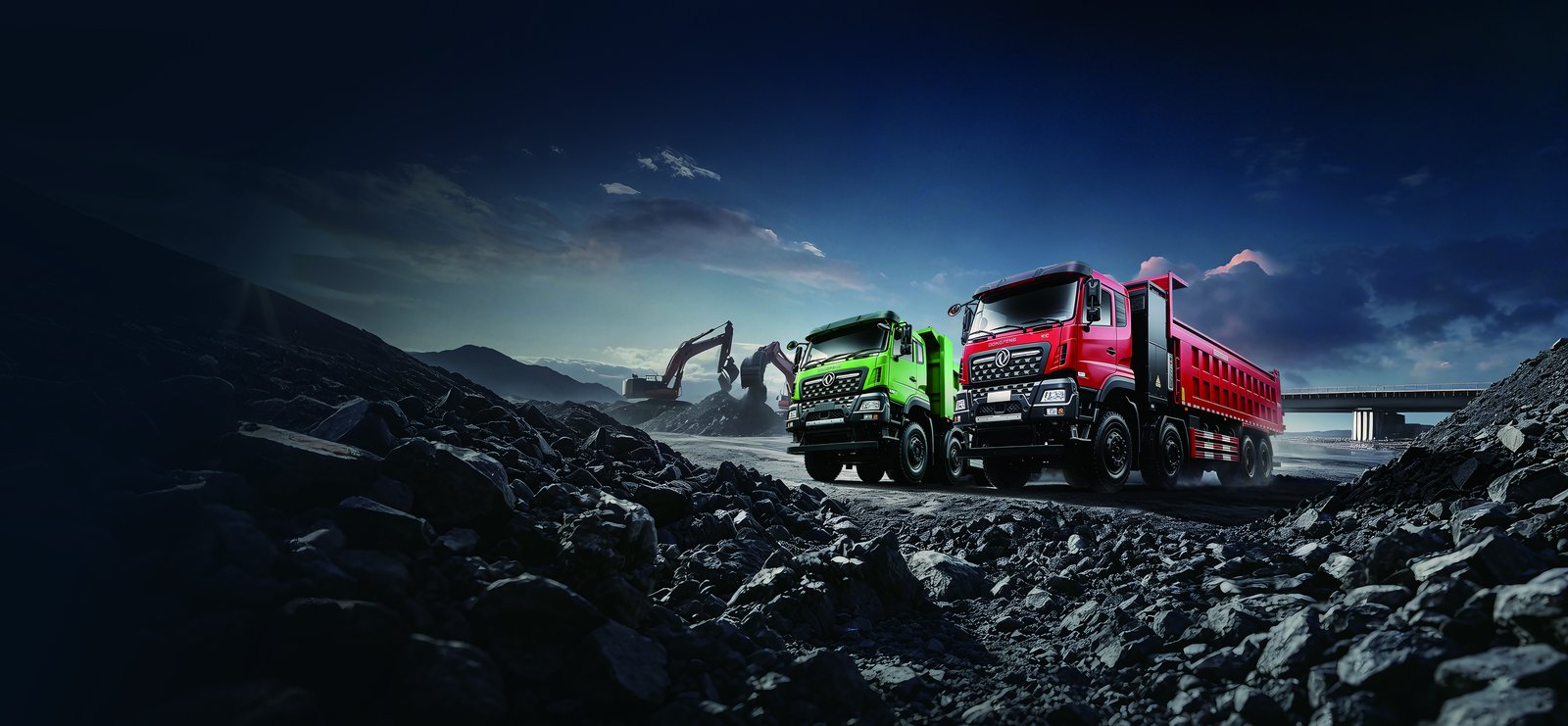
Algeria is the largest country in Africa by area, has a Mediterranean coastline with a dozen commercial ports, and runs one of the continent's most active public construction programmes. That combination — port throughput plus sustained infrastructure spending — creates a specific, addressable demand for heavy electric tractors, and the Dongfeng TE46 electric tractor is the model that fits it. This country spotlight covers where the demand is, what the duty cycles look like, and how import, homologation and deployment actually work for Algerian buyers.
| Factor | Algeria position | Implication for EV trucks |
|---|---|---|
| Ports | Algiers, Oran, Annaba, Skikda, Bejaia, Mostaganem | Multiple drayage and shuttle opportunities |
| Construction | Sustained public infrastructure and housing programmes | Steady tipper and tractor demand |
| Energy price | Low domestic electricity tariffs | Strong operating-cost advantage for electric |
| Fuel price | Heavily subsidised domestic diesel | Weakens the fuel-saving case — economics must rest on maintenance and duty |
| Industry | Cement, steel, aggregates, petrochemicals | Closed-site haulage is the strongest first application |
| Climate | Hot Mediterranean coast, hotter interior | Tropical thermal package required |
Anyone selling electric trucks in Algeria has to address this directly: domestic diesel is subsidised, so the per-kilometre fuel saving that drives electrification in Europe or West Africa is much smaller here. The case therefore rests on three other legs:
A TE46 in Algerian port duty at 1.15 kWh/km and USD 0.09/kWh costs roughly USD 0.10/km in energy against a diesel equivalent at USD 0.20/km. Add the maintenance delta and the total lands at a genuine 35–45% operating cost advantage even with cheap diesel.
The TE46 — 400 kWh CATL LFP, LvKong 315 kW rated / 510 kW peak with a 4-speed AMT — is a terminal and regional tractor rather than a long-haul unit. Three Algerian applications suit it:
For heavier 80 t work on the same programmes, the TE8L electric tractor covers the upper band; for on-site spoil and material movement, the TZ5E electric dump truck and KTA1 electric dump truck cover tipper duty.
Algerian vehicle import involves specific procedural requirements, and electric vehicles add documentation steps:
Our import, payment and shipping guide sets out the full mechanics, and our Africa tariff and incentive guide covers the regional policy picture.
Algerian port and plant sites generally have adequate electrical capacity, but two planning rules apply:
For Algerian operators evaluating electrification, our standard recommendation is a three-step programme:
Our pilot programme design guide sets out the structure; the 12-month roadmap covers scaling.
The question that decides repeat orders in Algeria, as everywhere, is whether the fleet keeps running. We provide operator and technician training, a recommended spares kit for the first 12 months, remote diagnostics support and documented warranty procedures on the CATL pack — 8 years or 4,500 cycles to 80% state of health. Full capability is described in our aftermarket and parts supply page.
TE46 FOB pricing typically falls in the USD 95,000–125,000 band depending on configuration. For broader Algerian deployment context, see our Algeria market page, TZ5E in Algerian construction and KT3F specification for municipal duty.
Algerian fleet renewal is often financed through structures that differ from straightforward cash purchase, and the funding route affects the specification as much as the vehicle does.
In all four cases the lender will ask two questions about an electric fleet: what is the asset worth at the end of the term, and what happens if the battery underperforms. Both are answered with documentation — the 8-year / 4,500-cycle CATL warranty, and a measurable state-of-health record from the vehicle. Our battery insurance underwriting guide sets out what underwriters typically require, and getting that documentation in order before approaching a lender shortens the process considerably.
Ready to electrify your fleet? Contact Shaanxi Fenghan Trading — authorized Dongfeng EV truck exporter. WhatsApp: +86 153 1943 1311 | Email: sales@fenghan-trade.com | dongfengevtrucks.com
🌐 Our Network: Fenghan Trade (SAGMOTO/SHACMAN Truck Export) · 4x2 6x4 tractor truck prime mover