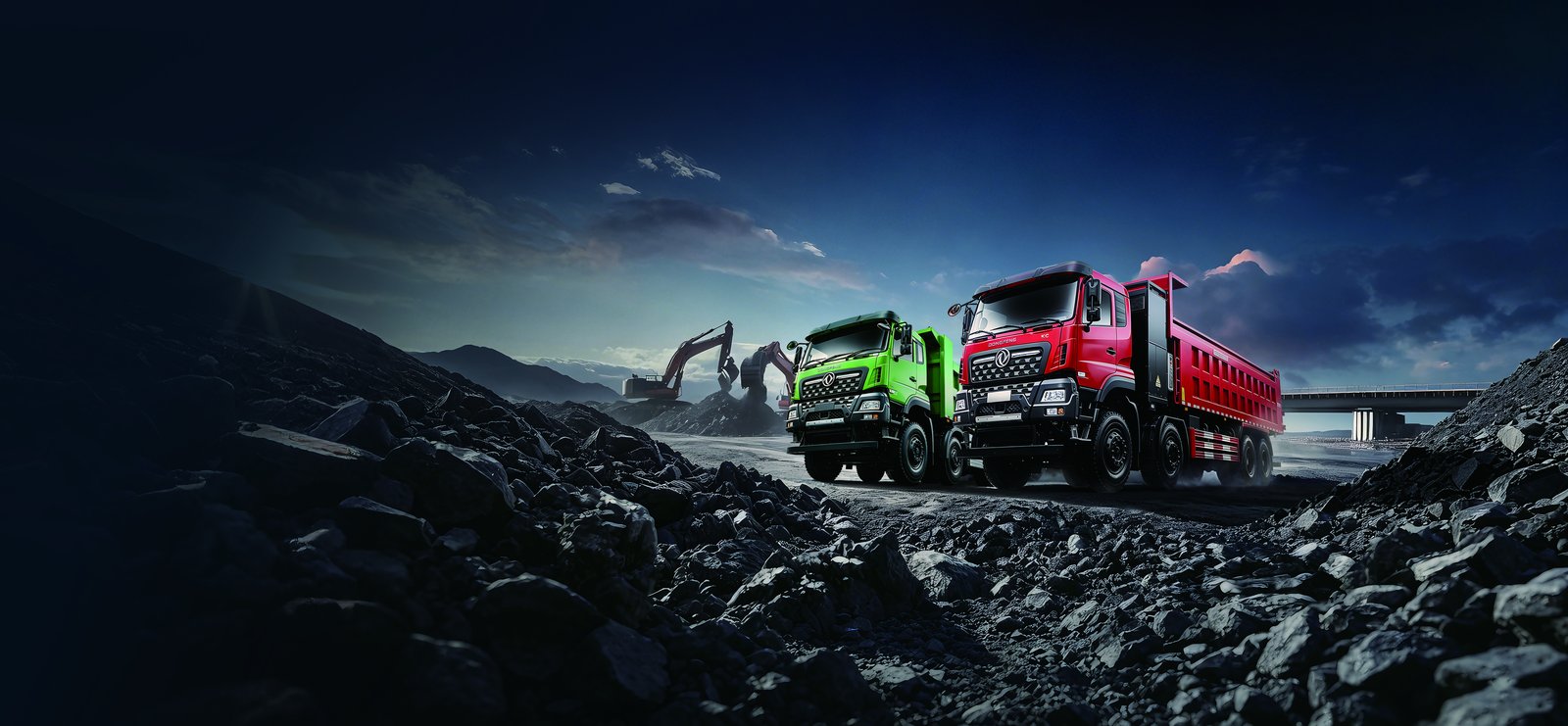
Mining electrification is often presented as a decarbonisation story, but the regulation that actually moves mining fleets is occupational exposure, not carbon. Diesel particulate matter and nitrogen dioxide in confined workings are regulated as workplace hazards, compliance is measured at the operator's breathing zone, and the engineering response — more ventilation — is expensive. Removing the diesel engine at source eliminates both the hazard and the ventilation cost, which is why the Dongfeng TZ3V electric dump truck — 8x4, CATL 600 kWh LFP, LvKong 400 kW rated / 550 kW peak, HDZ300 axle — increasingly appears in compliance-driven procurement rather than sustainability-driven procurement.
Most mining jurisdictions regulate worker exposure to diesel exhaust constituents rather than vehicle tailpipe emissions as such. The typical structure:
| Substance | Typical exposure limit (as elemental/respirable metric) | Why it binds in mining |
|---|---|---|
| Diesel particulate matter (DPM) | 0.05–0.16 mg/m³ as elemental carbon equivalent | Confined workings concentrate it; diesel fleets are the source |
| Nitrogen dioxide (NO₂) | 0.5–3 ppm time-weighted | Produced directly by diesel combustion |
| Carbon monoxide (CO) | 25–50 ppm | Poor combustion and enclosed spaces |
| Respirable dust | 1–3 mg/m³ | Independent of powertrain, but diesel exhaust adds to the load |
Exact limits vary by jurisdiction and by mine type — underground metal mines are typically the most tightly regulated, open pits less so — but the direction is consistent: limits have tightened over two decades and continue to.
This is the number that changes the decision. In underground and confined workings, ventilation is sized to dilute diesel exhaust to compliant levels, and ventilation is one of the largest energy consumers on a mine site:
Worked example: a section operating five diesel dump trucks at 400 kW installed power may require on the order of 30–45 m³/s of additional ventilation airflow. Electrifying those units can cut that requirement substantially, saving hundreds of thousands of kWh per year in fan energy — often exceeding the fuel saving itself. This is quantified in our underground ventilation analysis.
Where a regulator or an internal compliance team asks for evidence, an electric fleet simplifies the answer:
Regulations drive the decision, but two operating benefits usually sustain it:
Surface operations are less tightly constrained on exposure, but face other drivers:
| Driver | Relevance to surface mining |
|---|---|
| Corporate emissions reporting | Scope 1 emissions from the haulage fleet are visible and reducible |
| Community air quality | Relevant where pits are near settlements |
| National clean-air programmes | Some jurisdictions regulate non-road mobile machinery |
| Lender environmental conditions | Increasingly common on financed projects |
| Fuel logistics cost | Remote sites pay a large premium for delivered diesel |
The last row often matters most commercially: at remote sites, delivered diesel costs far more than the terminal price, while electricity can be generated on site.
Kazakhstan's mining sector is large, well-regulated and increasingly attentive to both occupational exposure and industrial emissions, with the advantage of low electricity tariffs that strengthen the operating case. Our Kazakhstan market page covers deployment, import and support for Kazakh mining operators. Related: Kazakhstan market analysis, Central Asian winter operation and cross-border corridor work.
TZ3V FOB pricing typically falls in the USD 140,000–180,000 band depending on body and specification, with the CATL 600 kWh pack warranted 8 years / 4,500 cycles to 80% state of health.
Regulation provides the trigger, but the approval usually has to survive an internal capital committee. Four elements make that submission defensible.
Where the mine reports against a corporate emissions framework, the same data supports Scope 1 reporting — see ESG reporting and fleet carbon data. And where a lender or insurer is involved, battery insurance underwriting explains what documentation they will request before accepting an electric fleet into the asset base.
Ready to electrify your fleet? Contact Shaanxi Fenghan Trading — authorized Dongfeng EV truck exporter. WhatsApp: +86 153 1943 1311 | Email: sales@fenghan-trade.com | dongfengevtrucks.com
🌐 Our Network: Fenghan Trade (SAGMOTO/SHACMAN Truck Export) · heavy duty mining dump truck 6x4 8x4