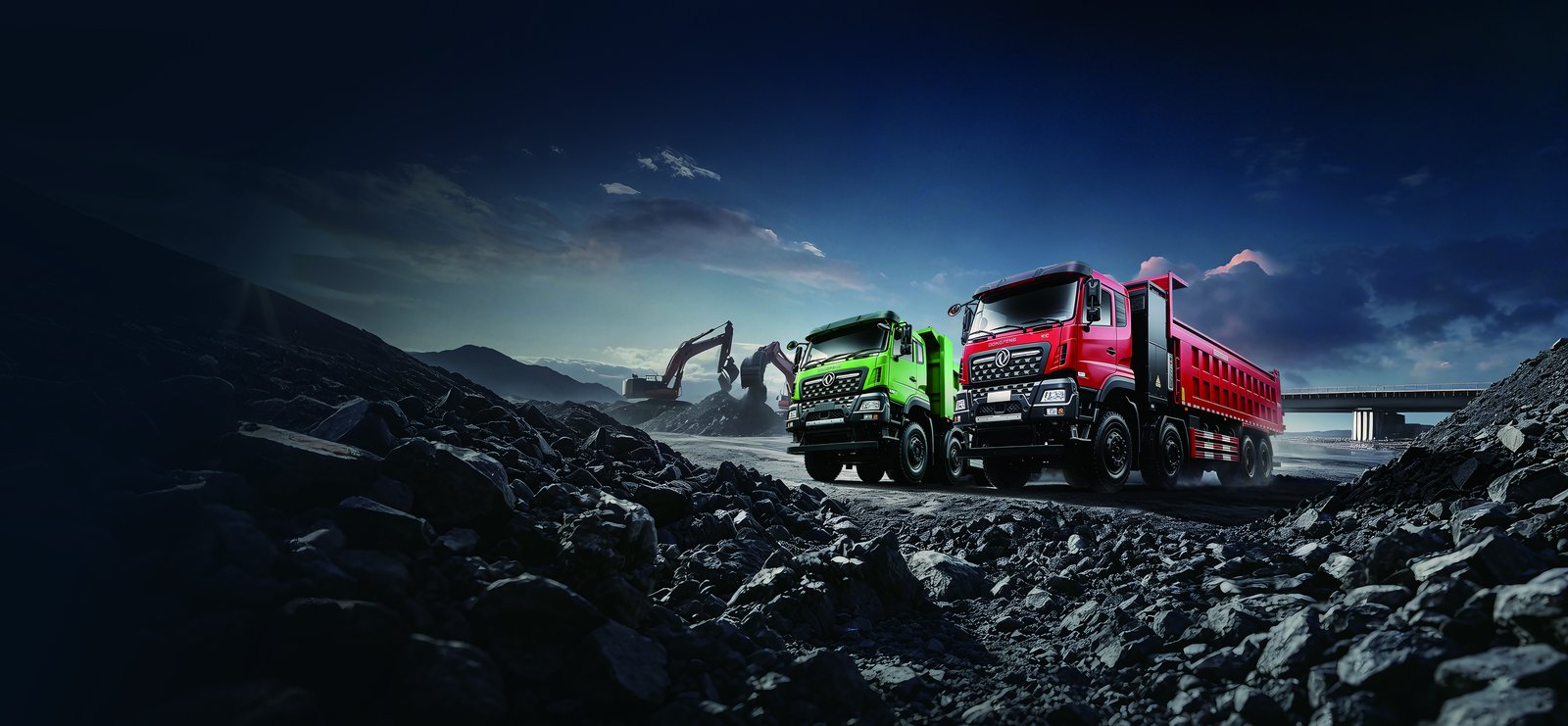
Of all the objections fleet engineers raise against electric trucks, the mountain pass is the most honest. Grades punish batteries thermally, altitude punishes air density (though it spares electric motors the way it never spared diesel turbos), and descents punish brakes. The Los Libertadores corridor between Santiago and Mendoza — 55 switchback kilometres climbing from 1,000 m to the 3,200 m tunnel complex at the continental divide — is the sternest mountain exam in the Southern Cone. This article works through what actually happens when a TE9L electric tractor with its 600 kWh CATL pack is pointed at that corridor, and why the physics, correctly read, favour the electric truck more on this route than on almost any flat one. It complements our broader Chile electric truck market guide.
Start with the number that decides everything: a 49 t tractor-trailer combination climbing 2,200 vertical metres stores roughly 295 MJ — about 82 kWh — of potential energy at the summit. A diesel tractor spends fuel acquiring it and discards it as brake heat on the way down, sometimes literally in smoke from jac braking and fade-prone service brakes. An electric tractor does something different at both ends of the grade:
Santiago (Los Andes) to Mendoza is roughly 200 km with the pass in the middle. Modelled at 49 t GCW, winter diesel-heater off, with a rest stop at Uspallata:
| Segment | Distance | Net energy effect | Notes |
|---|---|---|---|
| Los Andes → tunnel (climb) | 55 km | −150 to −180 kWh | 4–6% grades, switchbacks |
| Tunnel → Uspallata (descent + valley) | 105 km | −60 to −75 kWh net of regen | Regen returns ~55–62 kWh |
| Uspallata → Mendoza | ~90 km | −95 to −110 kWh | Flat pampa, favourable tailwinds common |
| One-way total | ~250 km | −305 to −365 kWh | Within the 600 kWh pack with 35–45% reserve |
Translation: the TE9L crosses the Andes on a single charge at full GCW with a safety margin no operator would find uncomfortable. A 40-minute 240 kW session in Mendoza (or a 240 kW bay at the Chilean customs compound at Los Libertadores, where border formalities already impose dwell time) closes the return leg with margin to spare.
The pass closes for hours or days in winter storms — and when it opens, chains are mandatory, speeds are low, and heater loads rise. Cold affects the TE9L in two honest ways: range drops 12–18% in deep sub-zero operation before pack heating stabilises, and the battery thermal management system consumes power doing its job. Neither is disqualifying — the corridor maths above absorbs both — but it is why we specify the heat-pump cabin heating option and pre-departure pack preconditioning from shore power for Andes operators. Meanwhile the diesel's cold-weather weaknesses are also real: fuel gelling, harder cold starts at altitude, and substantially worse climbing fuel economy in thin winter air.
Chile is Latin America's easiest EV-truck economy: it imports essentially all its diesel at world prices (CLP-denominated volatility included), generates electricity from a hydro-solar-lithium-rich matrix, and has already demonstrated with buses and urban delivery fleets that it adopts electric heavy vehicles faster than any neighbour in the region. A TE9L running Santiago–Mendoza twice weekly plus regional haulage:
Ask any driver who has come down the Caracoles switchbacks with a laden trailer what they fear, and it is not the hill up — it is the hill down. Brake fade on a 6% descent is a genuine safety system, not a cost line. An electric tractor with blended regenerative braking arrives at the bottom with cool service brakes, no retarder roar echoing off the valley, and 55+ kWh recovered. On safety-weights-first fleet evaluations, this single characteristic routinely converts mountain-corridor operators who came to the meeting sceptical. The TE9L's EBS-integrated regen strategy modulates blend seamlessly with the driver's pedal input — no different technique to learn, just fewer brake services to schedule.
The useful thought experiment for a fleet considering the Andes crossing is to picture the corridor in its third electric year, when the novelty is gone and only the operating reality remains. The depot in Los Andes has its charging rows in a steady rhythm: trucks leave at 22:00 with packs pre-conditioned to their route temperature, run the climb on the motor's continuous rating, top up or not at the border compound depending on the customs queue's length (which the dispatch desk knows from experience better than any schedule), and descend through the switchbacks with regenerative braking holding speed on the pedal while brake temperatures stay in the healthy band the telemetry monitors. Driver assignment is no longer a negotiation — the corridor's senior drivers asked for the electric units by the second quarter, and the queue for them is managed by the shift planner like any scarce good.
Financially, the third year is when the ledger turns from promising to settled: the per-truck energy and maintenance savings have covered most of the premium, the brake budget has been rewritten around the regen intervals, and the residual-value question starts answering itself because the packs' annual SOH certificates show the gentle 2–3% annual decline of a well-thermal-managed LFP fleet rather than anything dramatic. Chilean inspection authorities have seen the trucks before; the workshops know the procedures; the finance company has the documentation package format down. The corridor in year three looks, in other words, like ordinary trucking — which is precisely the point: electrification succeeds when it stops being a project and becomes a Tuesday.
For the fleet that started it, the strategic position is the dividend: the operating data, the driver capability and the charging relationship on the corridor are assets that competitors must now buy from scratch, at year-one prices, in a market where the crossing is not getting any shorter.
Ready to put an electric tractor on your mountain corridor? Contact Shaanxi Fenghan Trading — authorized Dongfeng EV truck exporter. WhatsApp: +86 153 1943 1311 | Email: sales@fenghan-trade.com | dongfengevtrucks.com
🌐 Our Network: Fenghan Trade (SAGMOTO/SHACMAN Truck Export) · 4x2 6x4 tractor truck prime mover