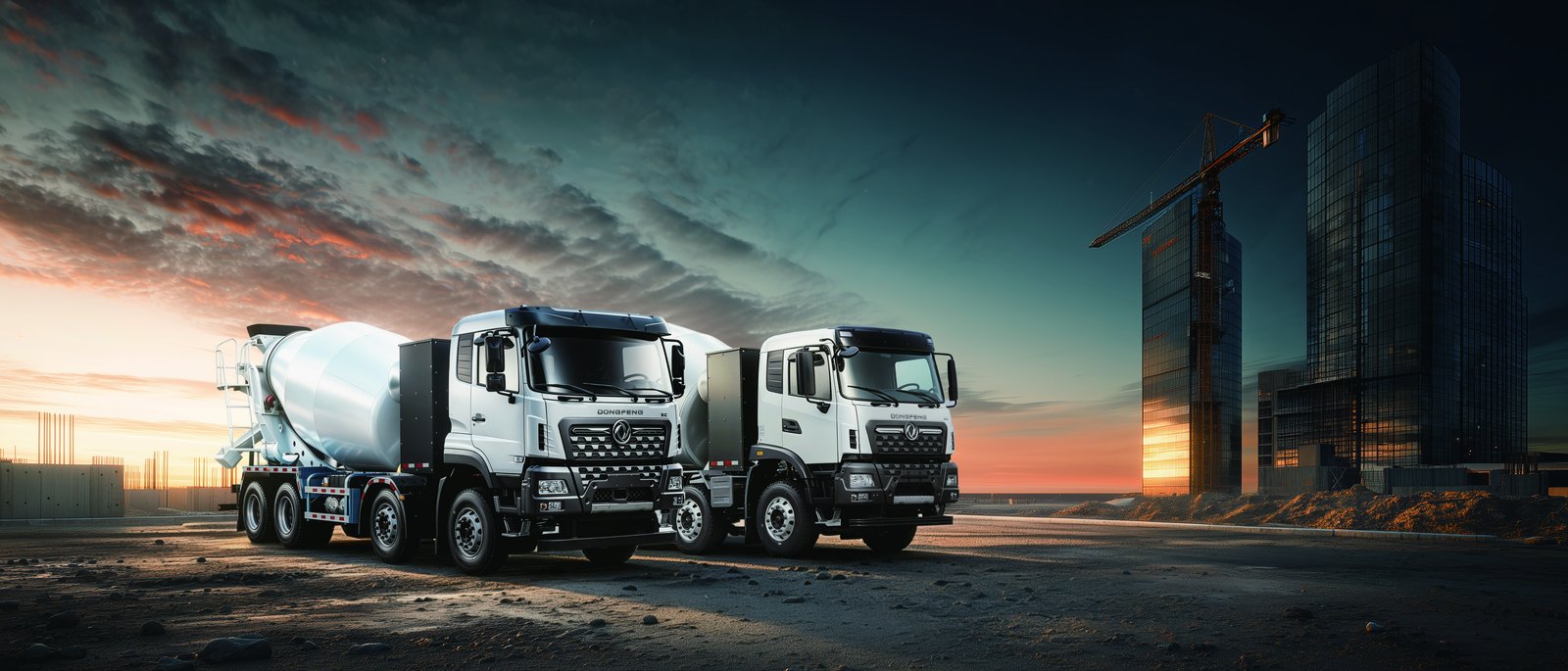
Brazil's port heavy haul is dominated by the Santos drayage corridor, where 120-tonne gross combination weight loads move between terminal and inland yard, and the TE8P 120 t heavy-haul electric tractor is a preview of how that duty electrifies. With a 600 kWh CATL LFP battery and a LvKong motor at 510 kW peak, this EV truck is engineered for the slow, massive, repeated pulls that define heavy port haulage.
A 120 t GCW tractor does not need highway speed; it needs relentless low-speed torque and a battery that survives a hard cyclic day. The Santos drayage loop is short and fixed: gate, terminal, weighbridge, inland yard, repeat. That is the same ideal profile as a quarry or a port shunt, where an electric truck's efficiency and regeneration beat diesel on cost per move.
Operators scanning the Latin America electric truck market will recognize the pattern: the first electric wins in the region are fixed, heavy, short loops where fuel volatility hurts most, and Brazil's port corridors fit that template precisely.
The table below reflects the 600 kWh export configuration. The pack is the largest in the Dongfeng EV line because a 120 t GCW duty demands energy for the pull and margin for the cycle, even on a short loop.
| Parameter | TE8P value |
|---|---|
| Battery chemistry | CATL LFP |
| Usable capacity | 600 kWh |
| Motor | LvKong PMSM, 510 kW peak |
| Peak torque | 4,200 Nm |
| GCW rating | 120 t |
| Range (loaded, port cycle) | 200 km |
| DC fast charge (20-80%) | approx 150 min |
| Battery swap time | 5-6 min |
| Battery warranty | 8 years / 4,500 cycles |
| FOB reference price | $150k-$180k |
The 600 kWh pack covers a full shift of 120 t moves around Santos with margin, and the LvKong motor's torque band suits the gate-to-yard crawl perfectly. The 8-year or 4,500-cycle battery warranty is critical here because heavy cyclic duty consumes cycles faster than any highway run.
The case for the TE8P is cost per container move. Energy per move at a Brazilian depot rate is far below diesel, and the removed diesel engine service plus regenerative capture on the loaded return cut two persistent cost lines. For an operator running many short moves per day, those savings compound across the fleet faster than on a long single haul.
Terminal time also improves. A quiet, zero-local-emission tractor is welcome in inner-yard movement, and the predictable charging plan lets a dispatcher stack vessel cut-offs against depot windows without guessing fuel stops. The 8-year battery warranty turns the largest unknown, pack life, into a fixed planning input.
For a heavy haul operator that cannot wait 150 minutes for a DC charge, the TE8P supports battery swap in 5-6 minutes at an equipped yard. A port operator can site a swap cabinet and keep tractors rotating through a double shift without a charge lull.
Brazil's import framework for fully built electric trucks carries duty and tax considerations that differ from diesel, and these can move the landed cost materially. A fleet planner should model the FOB price against the current import regime and any state-level incentive for zero-emission commercial vehicles before committing a purchase order.
The hedge is TCO: even with a duty-loaded landed cost, the per-move energy and maintenance saving of a 600 kWh electric tractor can recover the gap over the contract, and a worsening diesel price environment only strengthens that case. Shaanxi Fenghan Trading can provide the export and shipping documentation needed to land the unit at a Brazilian port.
A Santos operator should start with a measured pilot at 120 t GCW on the real drayage loop, because combination weight and gate queuing, not distance, set the energy number for the TE8P. Two weeks of telemetry will confirm whether the 600 kWh pack covers a full shift of heavy moves with margin and how much energy the loaded return recovers, which is the figure that separates a profitable electric yard from a marginal one once diesel and duty volatility are stripped out of the comparison.
Yard readiness is the second step. A port operator pairing a DC charger with a battery swap cabinet can keep tractors rotating through a double shift without a 150-minute charge gap. The right mix depends on move volume and terminal dwell, not on the headline pack size. A swap strategy also lets one spare pack serve several TE8P units, which lowers capital outlay compared with buying a charger for every tractor and keeps the per-move cost stable across the ownership cycle.
Operator training is the third step and is often overlooked. The LvKong motor delivers relentless low-speed torque, but crews used to diesel shunt need coaching on smooth pull-away and speed-set control so the regeneration benefit is captured rather than lost to hard braking. A short yard module improves gate safety, reduces tire scuff and protects the 120 t combination on the terminal approach, which matters under a tight vessel cut-off schedule.
Financing the switch should be modeled on cost per container move across the contract, including the import duty outlook. With the 8-year or 4,500-cycle battery warranty removing the largest unknown, the per-move case is stable enough for a terminal operator to defend to ownership, and the removed diesel engine service plus extended brake life are real recurring savings that compound across a high-cycle port where tractors run long hours.
Finally, phase the rollout. Introduce one or two TE8P units on the most regular drayage first, validate the charging and swap plan against telemetry, then scale. Shaanxi Fenghan Trading provides the export and shipping documentation needed to land the unit at a Brazilian port and configure it for heavy-haul duty, including combination rating and chassis options suited to Santos corridor specifications and local permit conditions.
Before sign-off, weigh residual value. A 600 kWh CATL LFP pack with an 8-year or 4,500-cycle warranty carries a defensible second-life value that a tired diesel tractor driveline lacks, and the telematics history from first ownership makes the unit easier to refinance or resell into the regional used-EV market. Insurance for an electric truck is stabilizing as port operators demonstrate the lower fire risk of LFP chemistry, which quietly improves the per-move cost case on a Santos drayage contract exposed to diesel and duty volatility across a multi-year terminal services agreement.
The quiet, zero-local-emission yard also reduces the emission disputes that occasionally sideline diesel tractors during inner-port movement, protecting contract continuity for the terminal operator. Combined with a stable cost per container move and full warranty cover, this is what turns a TE8P preview into a board-approved fleet standard rather than a one-off pilot. The risk math favors the electric tractor on every axis an operations committee actually measures across a heavy-haul program at 120 t GCW.
The broader Latin America electric truck market is being pulled first by fixed heavy loops like Santos drayage, mining haul and port shunt, where the duty cycle is easy to model and the savings are large. The TE8P at 600 kWh is a credible preview of diesel replacement for 120 t port haul, and the combination of swap, regeneration and an 8-year pack warranty makes the business case clear.
For a 2026 Brazil fleet preview, the TE8P 120 t heavy-haul electric tractor gives port operators a defensible cost per move, a quieter yard, and a warranty that covers the full first ownership cycle without a hidden battery risk.
Ready to electrify your fleet? Contact Shaanxi Fenghan Trading — authorized Dongfeng EV truck exporter. WhatsApp: +86 153 1943 1311 | Email: sales@fenghan-trade.com | dongfengevtrucks.com
🌐 Our Network: Fenghan Trade (SAGMOTO/SHACMAN Truck Export) · 4x2 6x4 tractor truck prime mover