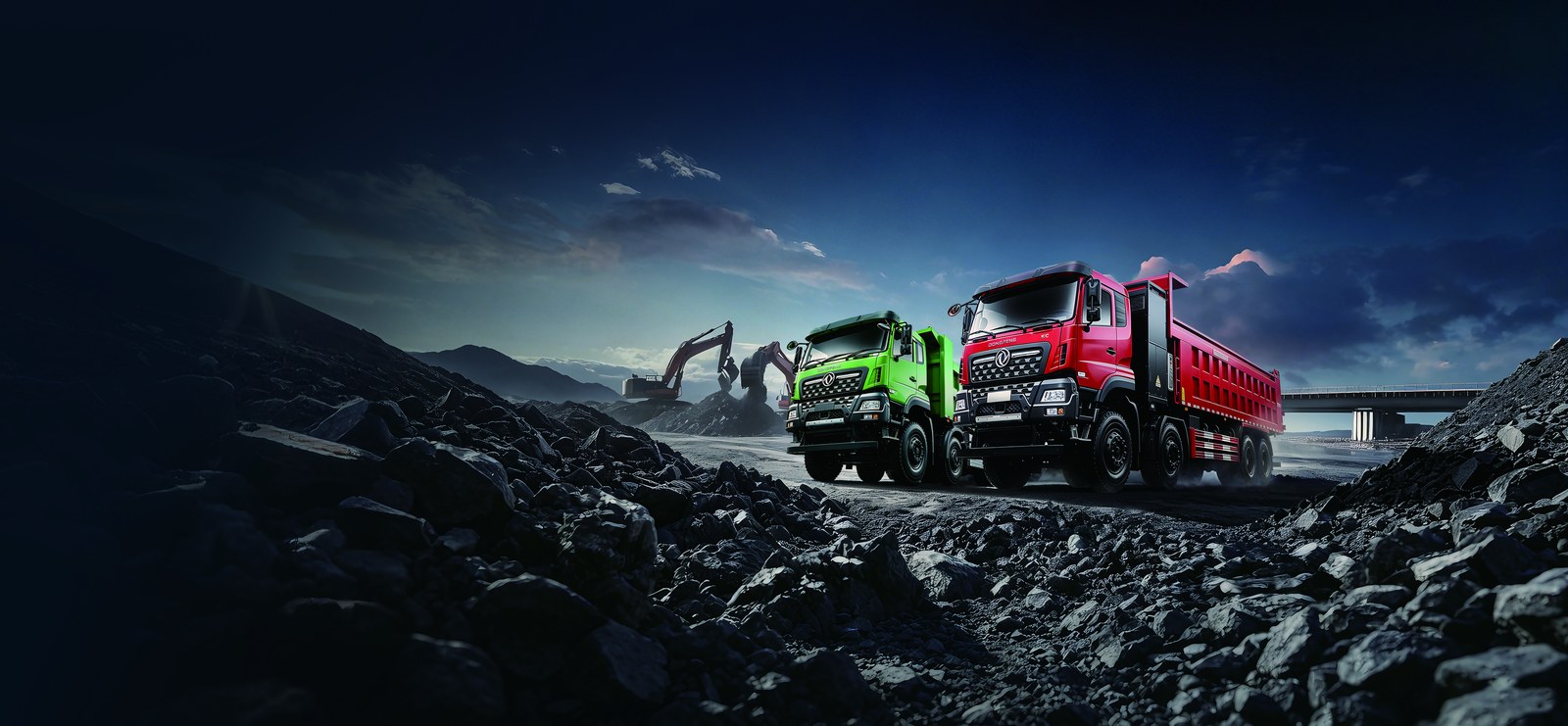
Myanmar's infrastructure rebuild, new roads around Yangon, urban expansion in Mandalay, and industrial parks across the dry zone, depends on a reliable flow of ready-mix concrete. The KT9X electric mixer truck is an electric truck variant built for exactly this work, and because many project sites sit on a constrained or unstable grid, its charging strategy is designed around that reality rather than against it. The related TZ8J electric mixer truck shares the same drum, chassis, and battery architecture for larger projects.
A mixer is a demanding application: the drum must turn continuously from batching plant to pour, which means the traction battery also feeds the hydraulic drum drive. The KT9X manages this through a single high-voltage bus, so there is no separate diesel engine screaming at the job site to keep the drum spinning. That single change removes the loudest, smokiest piece of equipment from the urban construction envelope.
For contractors, the operational appeal is the elimination of a second fuel stream. A diesel mixer carries both diesel for the truck and diesel for the drum engine, each with its own storage, theft risk, and maintenance. The KT9X collapses both into one electric energy account that can be metered, scheduled, and billed like any other plant load, which simplifies site accounting and reduces the opportunities for fuel loss.
The KT9X carries a CATL LFP pack in the 350-426 kWh range, enough for a full morning of deliveries with margin for drum rotation between pours. The LvKong motor delivers 350-420 kW and 2600-3000 Nm, sufficient for loaded climbs on Mandalay's graded sites and for pulling away smoothly from a standing start with a full drum.
| Parameter | KT9X (Myanmar spec) |
|---|---|
| Battery | CATL LFP 350-426 kWh |
| Drive motor | LvKong 350-420 kW / 3000 Nm |
| Energy use | 1.1-1.5 kWh/km (drum included) |
| Range | 200-300 km per charge |
| DC fast charge | 1.5-2 h (20-80%) |
| Warranty | 8 yr / 4500 cycles |
| FOB reference | USD 85,000-130,000 |
For the hot, humid climate of the Yangon delta and the dry-zone heat of Mandalay, the LFP pack and sealed drivetrain keep the truck dependable through long pour days. The drum's continuous rotation draws a steady, modest load that the pack absorbs without stress, and the electric drive means the drum speed is electronically fixed regardless of how hard the truck is working uphill.
Many Myanmar sites cannot support a bank of high-power chargers on a weak local feeder. The KT9X strategy therefore leans on three principles:
This approach lets a ready-mix operator electrify without waiting for grid upgrades, and it turns the plant's existing power connection into a competitive advantage. Because concrete is time-critical, the charging plan is built around the pour schedule: trucks that finish early in the evening are the first to charge, while those on late pours draw from the solar buffer or a staggered overnight window.
We also recommend a simple load-management controller at the plant. It caps combined charger draw below the feeder limit, queues trucks intelligently, and logs energy per vehicle so the operator can bill concrete deliveries with an accurate energy line item. Over a season, that data becomes the basis for right-sizing the next phase of chargers.
Around Yangon, mixes travel shorter distances through congested roads where the KT9X's smooth low-speed torque and quiet operation suit dense neighborhoods. In Mandalay and the dry zone, longer site distances and higher grades favor the larger battery option and careful state-of-charge planning. Both profiles benefit from regeneration on the empty return to the batching plant.
The quiet operation matters more than it first appears. Urban pours near hospitals, schools, and embassies are increasingly subject to noise windows, and a silent electric mixer can work them where a diesel would be turned away. Contractors report winning bids specifically because they could promise low-noise, low-emission delivery.
On a typical Yangon loop of 20-40 km per delivery, the KT9X consumes 25-50 kWh for propulsion plus drum energy per round trip. Against a diesel mixer burning 18-25 litres per similar trip, the energy cost gap is substantial and stable. Add the removal of the drum-engine service, the lower brake wear from regeneration, and the avoidance of diesel theft, and the five-year cost case usually favors the electric truck even on a weak grid.
Electrifying a mixer fleet changes how the drum is managed as much as how the truck is driven. Because the drum draws from the same pack as the wheels, operators learn to keep rotation speed at the minimum the mix design requires, rather than the maximum habit dictates on a diesel unit. This small discipline alone can extend range by several kilometres per charge and reduce wear on the hydraulic pump. Drivers also adapt quickly to regen braking, which slows the loaded truck smoothly on the approach to the pour without riding the service brakes.
We provide a one-day site training covering battery state-of-charge management, drum-speed policy, and safe high-voltage isolation for the plant workshop. Within a week, crews typically report that the electric mixer is easier to position precisely at the chute because of its smooth, linear throttle response, which reduces spillage and rework at the pour. The quiet operation also improves communication between the driver and the site batcher, cutting the misunderstandings that cause over- or under-pours.
For contractors new to high-voltage equipment, the KT9X's sealed architecture and clear isolation points make the safety case simple to document for insurance and regulator reviews, an important step in a market where electrical safety standards are still maturing.
A common objection to electric trucks in emerging markets is parts availability. The KT9X addresses this through a deliberately simple bill of materials: one LvKong drive motor, one reduction gearset, a CATL LFP pack built from standardized modules, and a small set of high-voltage controllers. That short list means a batching plant can stock the few consumables that matter, brake pads, tires, wiper and lighting items, and rely on a regional service partner for the rare high-voltage component.
Because the drum hydraulic pump is electric rather than engine-driven, there is no separate diesel engine to source parts for, which removes an entire category of supply risk in a market where diesel engine spares can be slow to import. We pre-position a recommended spares kit with each fleet deployment and provide remote diagnostics so that most faults are identified before a truck is lifted, cutting downtime from days to hours.
For larger operators, we offer technician training so the plant's own workshop can perform battery isolation, motor replacement, and routine inspection under a documented safety procedure, which keeps the mixer earning rather than waiting on an overseas flight of a mechanic.
As infrastructure spending recovers, clean, quiet concrete delivery will be valued on urban and institutional sites. For project sizing, charging design, and import pathways, see our Myanmar electric truck market guide, and compare the KT9X against the heavier TZ8J electric mixer truck for high-volume plants.
Ready to electrify your fleet? Contact Shaanxi Fenghan Trading — authorized Dongfeng EV truck exporter. WhatsApp: +86 153 1943 1311 | Email: sales@fenghan-trade.com | dongfengevtrucks.com
🌐 Our Network: Fenghan Trade (SAGMOTO/SHACMAN Truck Export) · SAGMOTO heavy duty diesel trucks