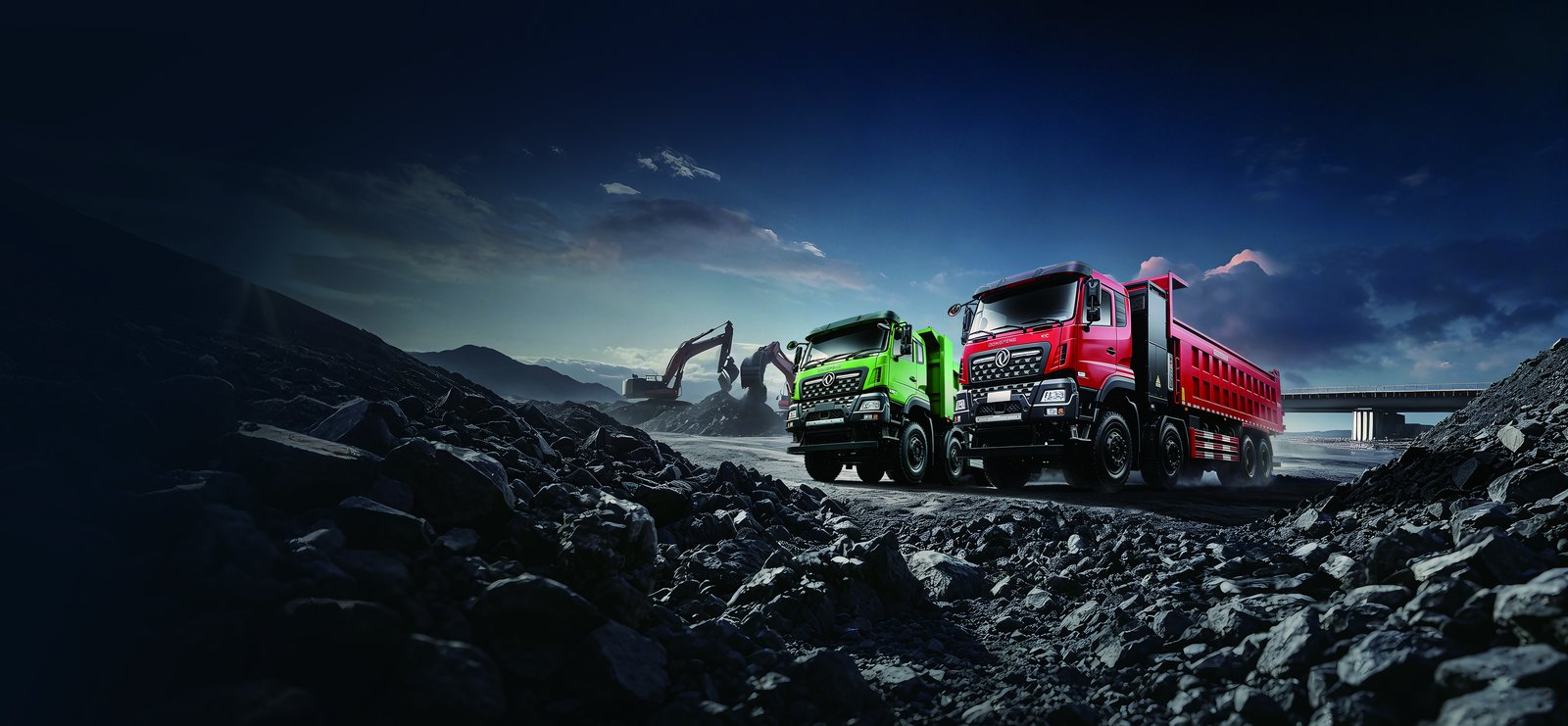
Chile has spent a decade building Latin America's most ambitious air-quality and climate framework, and the machinery now biting on freight operators is real: a green tax structure that prices emissions from large combustion sources, congestion and restriction policies in Santiago, Latin America's first low-emission zone frameworks for city centres, and a national electromobility strategy targeting 100% zero-emission sales of new light and medium vehicles by 2035 with heavy vehicles to follow. For fleet operators the direction is unambiguous — access, taxes and tender criteria will progressively reward zero-tailpipe vehicles and penalise diesel. This article covers what the current instruments actually require, which duty cycles feel them first, and how the compliance case stacks onto the already-strong economics of an electric truck in Chile. For the national market picture, see our Chile electric truck market guide; for the machine choice, our TZ5E electric dump truck page covers the construction-side duty.
| Instrument | What it does | First fleet to feel it |
|---|---|---|
| Santiago vehicle restrictions | Seasonal and environmental restriction regimes on high-emission vehicles entering the capital | Urban distribution, construction haulage into the comunas |
| Municipal LEZ/GEV policies | Commune-level zoning restricting older combustion vehicles from central districts (following the Santiago model being extended) | Last-mile and municipal-service fleets |
| Green tax on large sources | Prices CO2 and local pollutants for large boilers and turbines — signals the direction for mobile-source pricing | Industrial operators with on-site generation; precedes truck-emission pricing |
| National electromobility strategy | Zero-emission sales targets: light/medium by 2035, heavy-duty to follow | Every fleet — diesels bought today lose residual value as the deadline approaches |
| Mining-sector Scope 3 requirements | Codelco and major miners embed emissions criteria into contractor prequalification | Mining-services haulage — Chile's single biggest truck market |
An electric fleet's compliance position in Chile is frictionless by construction — and that is precisely its value:
The core Chilean electric truck economics — which we have covered for mining and construction duty — stand on their own: solar-PPA-blended electricity at USD 0.04–0.07/kWh against diesel at USD 1.20–1.45/L delivers the widest energy arbitrage in our LatAm portfolio, with fleet paybacks of 14–24 months on corridor and mine-service duty. Compliance adds three quantifiable layers:
Stack those on the energy arithmetic and the Chilean fleet case becomes less a sustainability decision than a competitive-structure decision.
Chile's policy direction has been consistent for a decade and the freight effects are arriving on schedule. The operators who electrify ahead of the restrictions will experience them as a competitive moat; the ones who wait will experience them as a schedule. In a market with Chile's energy prices, the first group is also the one running the cheapest fleet — the rare case where compliance and economics point the same direction with full force.
For fleet operators reading the policy direction and wanting to act on it, the pragmatic sequence is short. In the first thirty days, map your routes against the restriction landscape: which runs cross comunas with LEZ-style rules or seasonal restrictions, which mining clients have published Scope 3 targets, and where your diesel fleet's access risk concentrates. In the next thirty, model the two or three routes where electric duty is already viable today — the fixed loops, the mine-service circuits, the port shuttles — and obtain charging feasibility from the site's electrical team; most Chilean industrial connections can host a 120–180 kW charger with a modest upgrade. In the final thirty, run a three-to-five-unit pilot on the highest-restriction route and instrument it: kWh per kilometre, uptime, restriction-day performance. That data does double duty — it validates the internal fleet case and becomes the compliance and ESG evidence file for the next tender round.
The policy machinery will keep tightening in one direction, and Chile's energy prices mean the transition pays as it goes. The fleets that read the instruments correctly will spend the next decade buying access advantages with money their competitors are spending on diesel and fines.
One closing calibration on the Chilean numbers, because they deserve it: with solar-PPA-blended electricity at USD 0.04–0.07/kWh, a TZ5E-class tipper or TE8P-class tractor consumes energy at roughly one-fifth the cost of its diesel fuel line, per kilometre, at full load, in the worst month. That ratio is not the product of incentives or accounting treatment — it is physics meeting the Atacama. Policy is not what will electrify Chilean trucking; policy is merely making it official.
Ready to electrify your fleet? Contact Shaanxi Fenghan Trading — authorized Dongfeng EV truck exporter. WhatsApp: +86 153 1943 1311 | Email: sales@fenghan-trade.com | dongfengevtrucks.com
🌐 Our Network: Fenghan Trade (SAGMOTO/SHACMAN Truck Export) · heavy duty mining dump truck 6x4 8x4