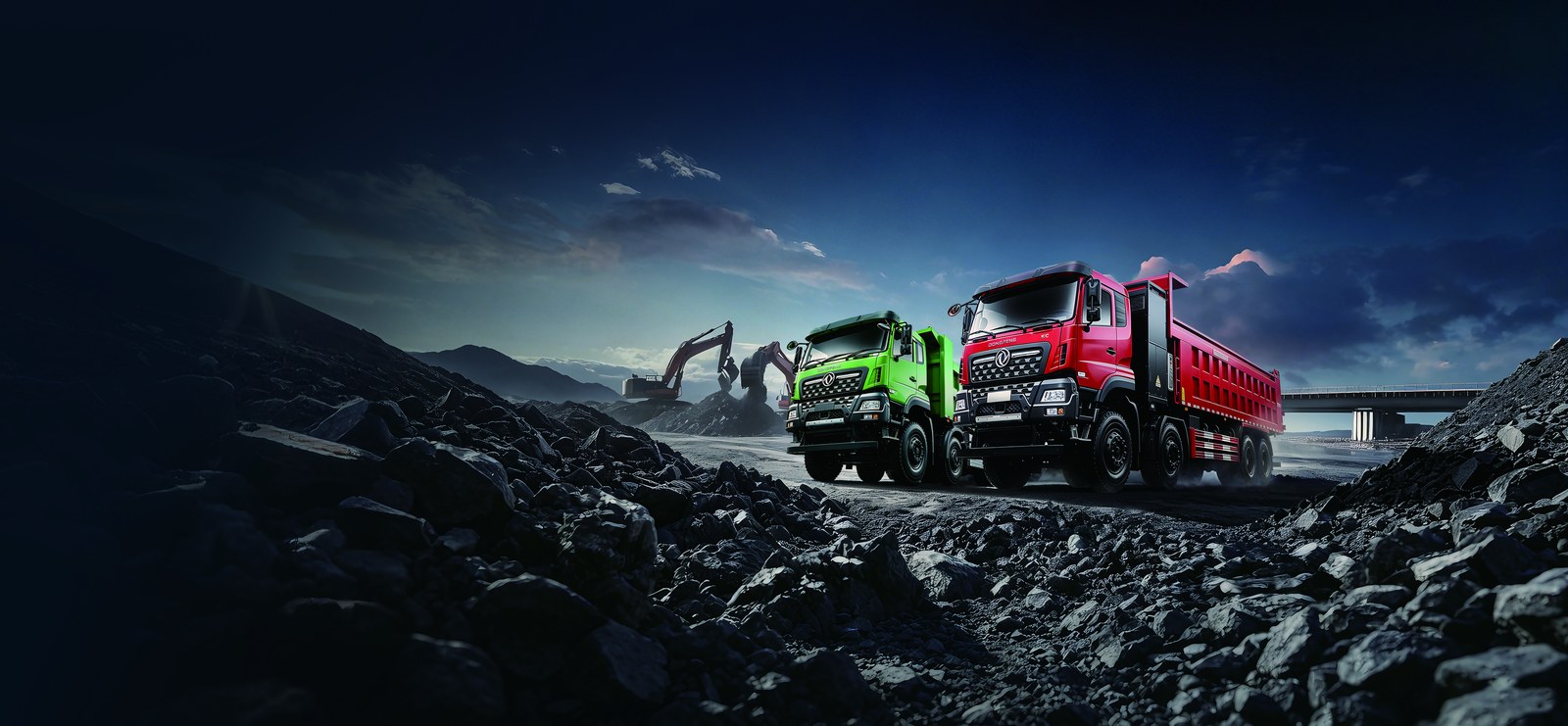
There is a neat irony in hauling battery metals with battery-powered trucks, and Chile's Atacama is where it becomes commercially serious. The Salar de Atacama brine operations, the Salar Pedernales and Salvador projects, and the expanding iodine-copper-lithium service economy around Antofagasta and Calama generate a specific heavy logistics demand: brine-field consumables and chemical resupply to camp sites, containerised equipment to the salar access roads, and the concentrate-container legs between railheads and the port. These corridors run 100-300 km through the driest, sunniest real estate on the planet — where fleet electricity from a solar PPA costs under five US cents per kWh and diesel arrives by truck at USD 1.20-1.40/litre after its own long-haul. This piece sizes the TE8P-class electric tractor opportunity on the lithium corridors, where the industry's own ESG commitments are turning freight emissions into a board-level question.
Brine-field logistics are less glamorous than the chemistry but just as continuous: ion-exchange resins, reagents and soda ash in tankers and bulk bags; piping, pumps and electrical skids for the pond networks; camp consumables rotating through Antofagasta's supply bases; and on the outbound side, lithium carbonate containerised for the port, plus the copper anodes and concentrates that share the same roads. The duty cycles cluster at 150-280 km per shift — one or two corridor runs daily with heavy GCW on excellent paved gradients, returning to the same supply-base gates each night. That is precisely the profile of the TE8P electric tractor: a heavy-haul machine whose 450-600 kWh CATL pack and 410-510 kW LvKong drive handle 49-120 t GCW duty, charged overnight at the base and topped at midday under the world's best sun.
The gradient point matters in the Atacama: corridor roads climb from sea level at the port to 2,300-2,700 m at the salar operations. The TE8P's regenerative braking converts the loaded descent into pack charge — field telemetry from comparable Andean duty shows descents returning 10-18% of daily consumption — while its electric drive maintains full torque at altitude where turbo-diesel output thins measurably. Drivers on the Ruta 5 and the salar access roads report the same thing our Peru clients do: the electric tractor is simply the stronger machine on the climb.
| 10-truck TE8P fleet, Antofagasta salar corridor | Diesel | Electric (solar PPA) |
|---|---|---|
| Daily energy cost per tractor (240 km, 49 t) | USD 105-130 | USD 17-24 |
| Annual energy saving per truck (330 days) | — | USD 28,000-35,000 |
| Annual maintenance saving per truck | — | USD 6,000-8,000 |
| Depot: 3 × 360 kW + 2 MW solar carport option | — | USD 150,000 + solar per site PPA |
The Atacama's solar resource — above 8 kWh/m²/day direct normal irradiance — makes a supply-base solar array plus megawatt charging the cheapest heavy-truck energy system on the planet at a contracted sub-$0.05/kWh. Against a diesel fleet burning USD 35,000+ of fuel per truck-year, the TE8P saves USD 28,000-35,000 in energy alone, and the solar-hybrid configuration locks that cost for two decades regardless of oil markets. With a per-tractor premium of USD 60,000-80,000 over the diesel equivalent, payback runs 18-26 months — the strongest heavy-haul case in our global coverage, courtesy of the Atacama sun.
The Atacama is an extreme environment, and the specification must respect it: fine crystalline dust that infiltrates everything, diurnal swings from 2 °C nights to 30 °C afternoons, salt-mist exposure near the port, and UV that degrades anything not rated for it. Our Atacama package includes sealed HV architecture with pressurised-and-filtered pack ventilation, the corrosion treatment for salt mist, UV-stable cabling and hoses, and the dust-service schedule with shortened coolant-loop and filter intervals. The pack's liquid cooling handles the altitude-and-heat combination comfortably; the real maintenance discipline is the dust schedule, and our commissioning includes that training. The national context — Chile's zero-emission zones, the Santiago and copper-corridor markets covered in earlier pieces — is consolidated on our Chile electric truck market page; the lithium corridor adds the Atacama-specific energy overlay described here.
The lithium industry's customers — cathode makers and EV OEMs in Asia, North America and Europe — audit their suppliers' Scope 3 footprints with increasing rigour, and brine-field operators publish their own decarbonisation roadmaps. A lithium producer whose reagent haulage and container legs run on Atacama solar has a supply-chain story no diesel contractor can copy: low-carbon lithium, measured end to end, including the freight. Several operators now include emissions criteria in logistics tenders for exactly this reason, and the scoring trend is one-directional. For the logistics contractors serving the salar operations, the electric fleet is therefore both a cost weapon (the solar arithmetic above) and a tender qualification — the two advantages compounding with every new contract cycle. The Triangle's trucking future is already being written by whoever signs the first solar PPA and plugs in the first TE8P at the Antofagasta supply base; the physics and the contract terms are both on their side.
Contractors serving the Atacama brine operations can structure a first electric corridor fleet in five steps:
The Atacama holds the world's best sun, its driest corridors and its most ESG-scrutinised minerals — a rare alignment of physics, policy and procurement that makes the electric heavy-haul case nearly unarguable. The first supply-base fleet that plugs into its own solar will hold the corridor's cost and compliance position for the decade.
Ready to electrify your fleet? Contact Shaanxi Fenghan Trading — authorized Dongfeng EV truck exporter. WhatsApp: +86 153 1943 1311 | Email: sales@fenghan-trade.com | dongfengevtrucks.com
🌐 Our Network: Fenghan Trade (SAGMOTO/SHACMAN Truck Export) · 4x2 6x4 tractor truck prime mover