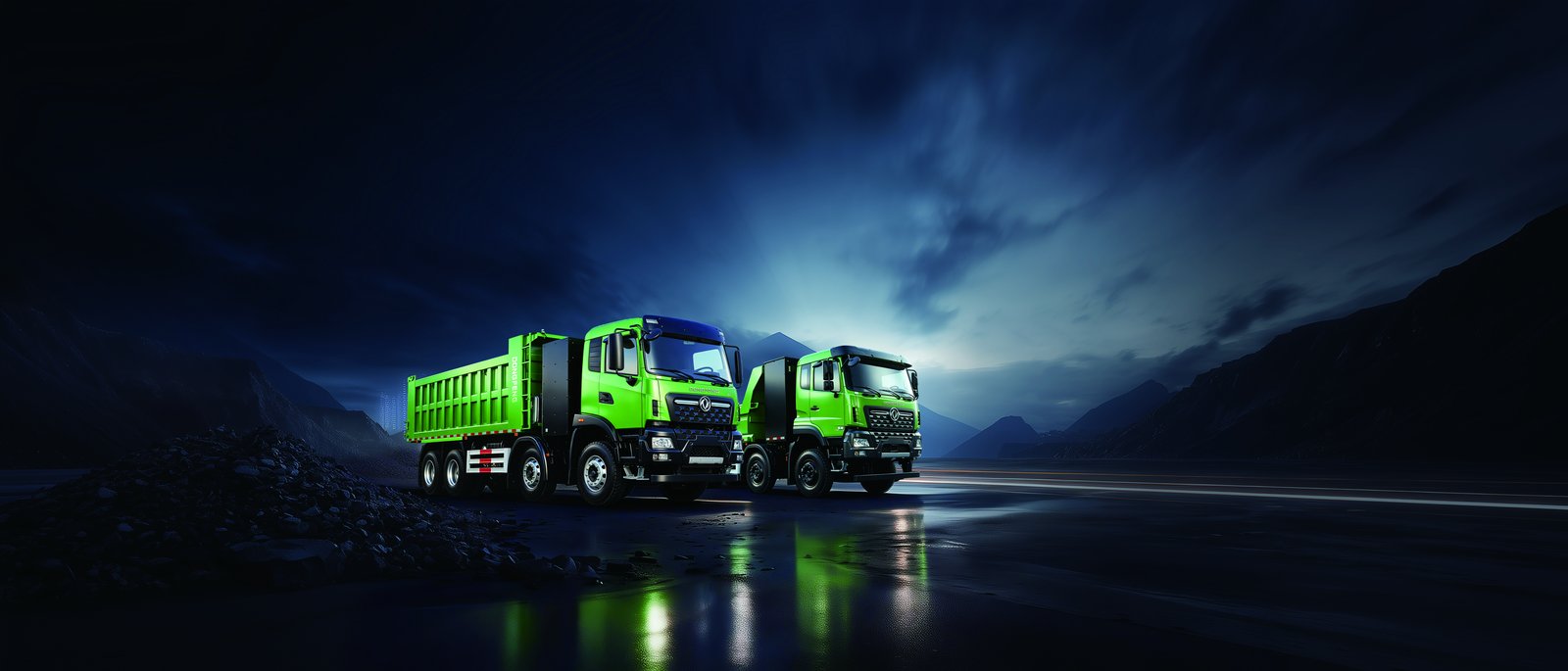
Every big-city construction market eventually discovers night haulage. Daytime truck bans, congestion pricing, air-quality episodes and school-zone rules push muck-shift and aggregate deliveries into the 21:00–06:00 window — New York ran its infamous night-carting chaos decades ago, Bangkok's 24-hour construction logistics run on it today, and cities from Manila to Bogotá to Cairo are tightening their own daytime rules year by year. The night window is where urban construction haulage's economics actually live — and it is a window an electric dump truck like the TZ3Z fits almost perfectly: silent where noise ordinances bite, welcome where residential permits decide access, and charging overnight on the cheapest electricity the grid sells. This article covers the night-haulage business case for electric tippers: the regulatory structure that opens the window, the operating pattern inside it, the energy economics, and a worked fleet model. For a live example of a night-haulage market where the TZ3Z is already proven, see our Vietnam market analysis — night-haulage rules on Vietnamese expressway works are the reason electric tippers there run the hours they do.
The night window is granted by regulation and policed by two instruments: noise and emissions.
| Constraint | Diesel tipper reality | TZ3Z electric reality |
|---|---|---|
| Night noise limits (typically 45–55 dB(A) residential) | Engine idle, exhaust brake and reversing beepers dominate complaints; a diesel tipper at the kerb is a violation looking for a meter | Near-silent at idle and crawl; the reversing alarm is the loudest sound the truck makes |
| Emissions-based night access rules | Older diesels progressively excluded; even Euro VI idles visibly at 3 a.m. | Zero tailpipe — immune by construction |
| Complaint-driven permit revocation | One residential complaint season can end a haulage permit | The complaint category does not apply |
| Site-gate queueing at shift change | Diesel idling 1–2 h/night at the gate | Queues cost almost nothing in energy or noise |
The permitting asymmetry is the quiet commercial point: in cities where night-access permits are scarce and complaint-sensitive, an electric fleet is the one the authorities renew — and in several of our deployment markets, operators report that the permit office's treatment of electric applications is visibly friendlier. Access, not fuel, is the scarce asset at 2 a.m.
The typical electric night-haulage cycle on urban construction duty:
That pattern does something valuable to the electric business case that the diesel night fleet cannot copy: it inverts the truck's energy timing. the TZ3Z works the expensive hours (when grid demand is low, off-peak tariffs are lowest) and charges in the cheap ones — read on.
Night-operating electric fleets are the perfect off-peak customer:
In our worked Vietnamese and Filipino deployments, the combination of night duty and off-peak charging pushed fleet energy costs 15–25% below the same trucks on daytime duty — the schedule itself becomes an efficiency technology.
Ten TZ3Z tippers on urban night haulage — 220 km/night each, 280 nights/year, city electricity at USD 0.09/kWh off-peak blended, diesel at USD 1.15/L, with the diesel fleet paying a night-shift premium in driver wages and permit-compliance costs held equal:
| Annual item (10 trucks) | Diesel night fleet | TZ3Z electric night fleet |
|---|---|---|
| Fuel / energy | USD 420,000–490,000 | USD 65,000–75,000 |
| Maintenance | USD 120,000 | USD 44,000 |
| Noise compliance & permit management | USD 15,000–30,000 | near zero |
| Charging infrastructure (annualised) | — | USD 26,000 |
| Total annual operating | USD 570,000 | USD 140,000 |
A USD 430,000 annual advantage against an incremental capital cost of USD 480,000–560,000 — payback in 13–16 months, before counting the access advantage: in cities where night permits are capped, the electric fleet holds the quota the diesel fleet competes for. The muck-shift tractor side of the same works, where the duty is hauled in trailers rather than tipped, follows identical arithmetic.
The night window is urban construction's most valuable real estate, and it is being rezoned in favour of quiet, clean trucks in every major city we serve. The operators who move their fleets into electric tippers now are not just cutting their fuel bills — they are buying the permits, the neighbourhood goodwill and the operating hours that their diesel competitors will spend years trying to win back.
Migrating a diesel night fleet to electric is a sequencing exercise, and the sequence matters more than the speed. Start with the newest diesel trucks sold out of the night rotation first — their residuals are strongest while the electric case is being proven. Convert one complete route, not scattered trucks: a single route running fully electric delivers the operational evidence (cycle times, charging fit, permit office treatment) that a mixed-route trial dilutes. Involve the night drivers from the first week — their route knowledge beats any planning model, and in every deployment we have run, the drivers' suggestions on charging timing and dock sequencing improved the schedule before the first month ended. Finally, document everything for the permit authority: the noise measurements, the complaint statistics, the absence of exhaust at the residential kerbs. Cities keep records, and a fleet that arrives with its own is the fleet that gets the next window extended.
The night belongs to whoever can work it quietly. That sentence is becoming the business plan of urban haulage, one city at a time.
Ready to electrify your fleet? Contact Shaanxi Fenghan Trading — authorized Dongfeng EV truck exporter. WhatsApp: +86 153 1943 1311 | Email: sales@fenghan-trade.com | dongfengevtrucks.com
🌐 Our Network: Fenghan Trade (SAGMOTO/SHACMAN Truck Export) · heavy duty mining dump truck 6x4 8x4