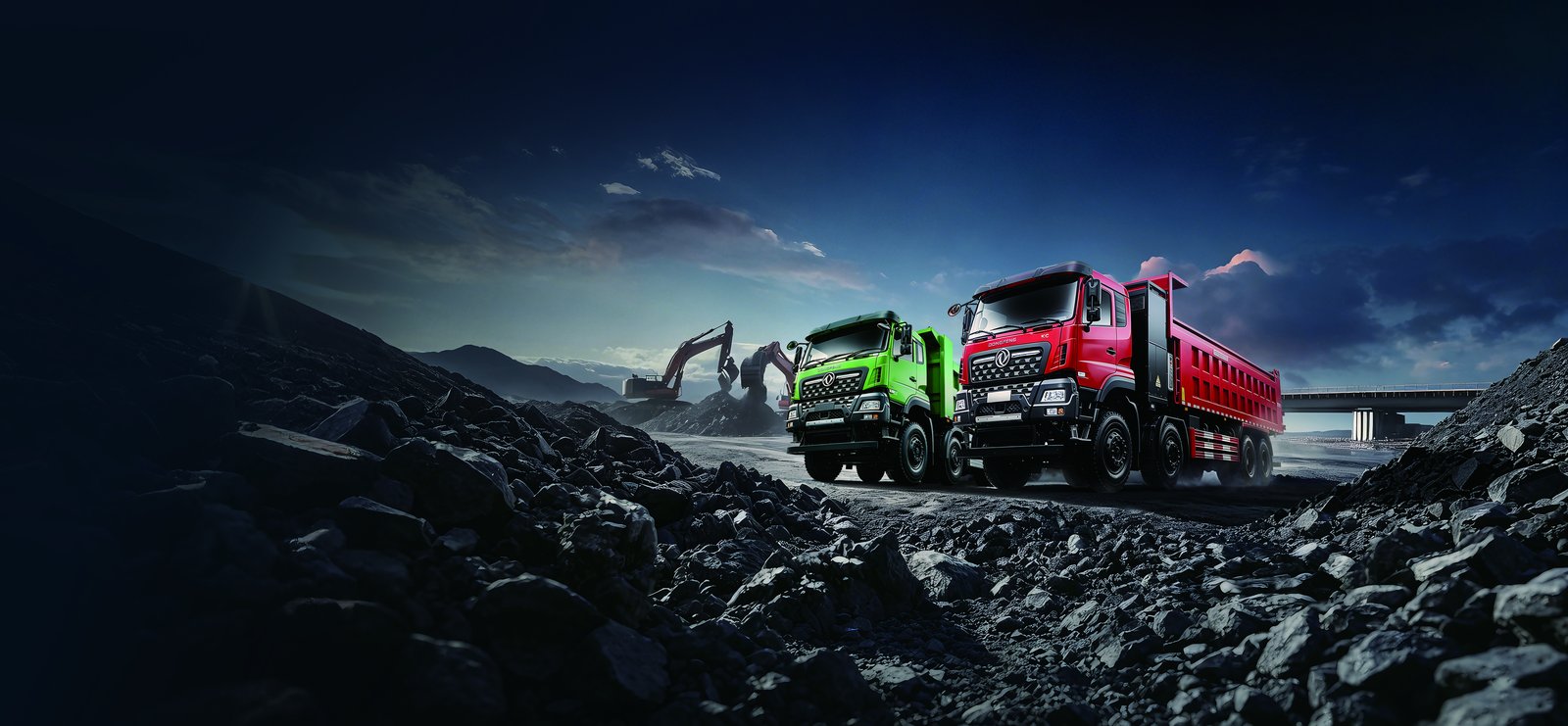
The TE8L electric tractor is built for corridor haul, and the Central Asian CIS corridors, Kazakhstan to Uzbekistan to Kyrgyzstan, are exactly the repeatable, cross-border lanes where it earns its keep. But moving an EV truck across these borders adds customs, transit documentation, and charging coordination that a domestic run never faces. This guide covers the 2026 customs and transit reality for a TE8L operating across the CIS, the documents that keep it moving, and how to plan charging on routes where the grid is uneven. We focus on the TE8L electric tractor and the Kazakhstan electric truck market guide as the hub of the network.
The Almaty to Tashkent to Bishkek triangle is a 300 to 900 km web of paved international corridors with steady freight and, crucially, predictable stops. The TE8L electric tractor carries a 350 kWh CATL LFP pack, a 282 to 350 kW LvKong motor, around 280 km of loaded range, and a 50 to 60 minute 20 to 80% DC charge. That range means Almaty to Shymkent, or Tashkent to Khujand, is a single-charge leg with a top-up at the border or a logistics hub. For a fleet running 250 km per day the energy cost at regional tariffs is roughly US$0.06 to US$0.10 per km versus US$0.18 to US$0.26 for a diesel tractor, a saving that funds the cross-border compliance effort many times over.
The te8l is a 6x4 prime mover, so it also handles the heavier regional loads; the constraint is never torque but the charging rhythm at the border, where queues, not range, decide the schedule.
Kazakhstan, as a Eurasian Economic Union member, applies the EAEU common customs tariff and the unified transit regime, which eases movement into Kyrgyzstan and, with separate terms, toward Uzbekistan. A TE8L imported into Kazakhstan for cross-border work needs the EAEU type approval and the customs declaration; once cleared, movement within the union is lighter than a fresh import. The Kazakhstan electric truck market guide details the Almaty clearance, the EAEU HS line for electric tractors, and the depot-charging setup that anchors the corridor.
For Uzbekistan and Kyrgyzstan, the bilateral and union transit rules differ. Kyrgyzstan is inside the EAEU, so a Kazakhstan-cleared tractor moves with union transit documents. Uzbekistan sits outside the union, so a separate import or transit declaration is required at the border, and the EV truck may qualify for a green-vehicle line that lowers duty on a certified zero-emission tractor.
A cross-border EV truck lives or dies by its paperwork. The core set for a CIS corridor run is below.
The battery document is the item unique to an electric truck. Carry the UN 38.3 test summary and the pack specification; border officers increasingly ask for it, and a missing pack file can hold a te8l at the line longer than any customs query.
The grid is the silent risk on a CIS corridor. Charging planning must precede the route, not follow it. The table below maps a representative plan.
| Leg | Distance | Charge plan | Note |
|---|---|---|---|
| Almaty – Shymkent | ~260 km | One charge at hub | Single leg, buffer |
| Tashkent – Khujand | ~150 km | Border top-up | Uzbek entry |
| Bishkek – Almaty | ~230 km | Charge at union hub | EAEU internal |
| Long loop (>500 km) | >500 km | 2 charges | Plan buffer 20% |
Carry a mobile DC backup plan where the grid is thin. A 120 to 350 kW depot post at the home hub plus a pre-agreed top-up point at each border town keeps the te8l moving; the 50 to 60 minute charge fits a driver rest period, so it costs no schedule if planned.
The compliance cost of cross-border EV truck operation is real but bounded: union type approval once, transit docs per leg, and a charging retainer at each hub. Against the per-km energy saving and the diesel it displaces, the TE8L remains strongly positive on TCO for fleets above 200 km per day. The buyers who struggle are those who treat the border as a domestic formality; the winners pre-file the transit docs and confirm the charger before the tyres cross.
The CIS corridor is a natural early market for the te8l because the lanes are repeatable and the hubs are established. Start with Kazakhstan-cleared operation, add the Kyrgyzstan union transit, and open Uzbekistan with its green-vehicle line once volume justifies it. The Kazakhstan electric truck market guide is the anchor reference for clearance and charging. Shaanxi Fenghan Trading supplies Dongfeng EV trucks with EAEU-ready dossiers and the pack documents borders require, so request a 2026 TE8L cross-border quote and a corridor charging plan sized to your lanes.
| Item | Specification |
|---|---|
| Battery | CATL LFP 350 kWh, swap-ready architecture |
| Traction motor | LvKong permanent-magnet motor, 360 kW peak |
| Real-world range | 280 km fully loaded, duty-cycle dependent |
| Charging | DC fast charge 20-80% in 45-90 min; battery swap in 5-6 min where stations exist |
| Battery warranty | 8 years or 4,500 cycles, 70% state-of-health guarantee |
| FOB price guide | $120,000-$150,000 depending on specification and options |
Charging an electric truck is a depot discipline, not a public-network gamble. A 350 kWh pack working a 280 km day typically returns with 25 to 35 percent in reserve, so overnight demand is about 210 kWh per truck. On a 120 kW DC charger the pack climbs from 20 to 80 percent in roughly 105 minutes; on 240 kW that falls to about 52 minutes, which lets two trucks share one charger on staggered shifts.
Size the site transformer for your busiest shift plus 30 percent headroom, keep cable runs under 30 metres to limit voltage drop, and meter each charger separately so energy cost per truck stays visible. In Kazakhstan, grid connection lead times of three to nine months are common, so apply for the connection the day you sign the truck order, not the day the ship arrives. Shaanxi Fenghan Trading includes a charger layout drawing and load calculation with every EV truck quotation, so your electrician can price the civil works before the truck lands.
A comparable diesel 6x4 tractor burns about 0.38 litres per kilometre in mixed duty; at $0.95 per litre that is roughly $0.36 per km. The electric equivalent consumes about 1.15 kWh per km fully loaded; at an industrial tariff of $0.10 per kWh the cost is near $0.12 per km, and overnight or solar-coupled charging can push it below $0.08. Over 70,000 km a year the saving is about $17,000 per truck, before any carbon or low-emission-zone benefit.
The gap widens in stop-start duty, where regenerative braking returns 15 to 25 percent of traction energy instead of burning it as brake dust. In Kazakhstan, where diesel quality and price both fluctuate, locking in an electricity tariff also removes a major budgeting variable from the fleet P&L.
Ready to electrify your fleet? Contact Shaanxi Fenghan Trading — authorized Dongfeng EV truck exporter. WhatsApp: +86 153 1943 1311 | Email: sales@fenghan-trade.com | dongfengevtrucks.com
🌐 Our Network: Fenghan Trade (SAGMOTO/SHACMAN Truck Export) · 4x2 6x4 tractor truck prime mover