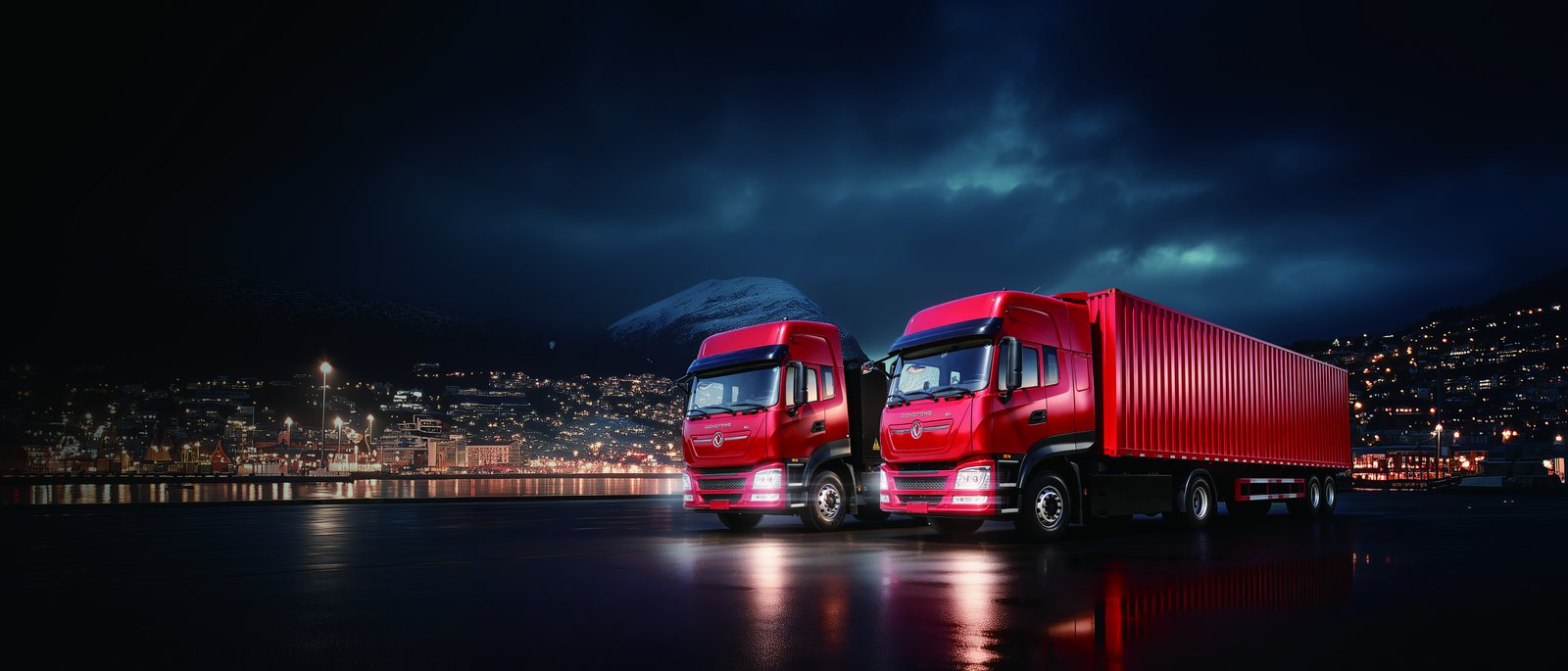
The difference between an EV truck that quietly beats its diesel predecessor and one that disappoints usually comes down to the driver. This guide sets out the onboarding programme that gets the most from a KT5M electric cargo truck in Malaysia. For the vehicle itself see the KT5M electric cargo truck page, and for the destination market our Malaysia electric truck guide.
Two identical KT5M trucks on the same route can differ by 20-30% in energy consumption purely because of how they are driven. In Malaysia, where drivers often come from a diesel background, the single highest-return investment a fleet can make is a structured onboarding programme. This is not about teaching drivers to drive slowly; it is about teaching them to use the electric drivetrain the way it is designed to be used. Fleets in Kuala Lumpur, Penang and Johor Bahru that trained drivers properly before the first shift report far fewer range surprises and lower tyre and brake costs within the first quarter.
The one habit that matters most is mastering regenerative braking. In the KT5M, lifting off the accelerator feeds energy back into the 180-220 kWh pack instead of heating brake discs. Trained drivers anticipate stops and let the regen do the work, recovering a meaningful share of the energy a diesel would simply lose as heat. Untrained drivers brake late and hard, waste that energy, and wear pads. We recommend a one-day regen clinic on a closed course: accelerate, lift, coast, brake progressively, and watch the energy-recovery display. Within a week, most drivers recover 15-25% more energy.
| Specification | KT5M value |
|---|---|
| Configuration | 4x2 electric cargo truck |
| Battery | CATL LFP 180-220 kWh |
| Drive motor | LvKong PMSM 200 kW (1,300 Nm) |
| Real-world range | 250-300 km |
| DC charge | 20-80% in 35-55 min |
| Capacity | payload 8-12 t |
| Battery warranty | 8 years / 4,500 cycles to 70% SOH |
| FOB China price | US$58,000-75,000 |
Driver behaviour also decides how long the pack lasts. The rules are simple: plug in at the depot on arrival rather than deep-discharging, keep daily state of charge between 20% and 80%, avoid leaving the truck at 100% for days, and never fast-charge a hot pack immediately after a heavy climb. A one-page card in the cab, in the local language, listing these rules prevents most premature-degradation cases. For Malaysia fleets, where summer heat is severe, the card also reminds drivers to pre-condition the cab while still plugged in rather than drawing from the pack.
Modern electric trucks talk. The KT5M displays state of charge, estimated range, motor and pack temperatures, and a fault-code panel. Drivers do not need to be engineers, but they do need to recognise three tiers of alert: a yellow information notice to log, an amber warning to report at end of shift, and a red stop-now alert that means pull over and call the workshop. Teaching this tiering stops small issues from becoming roadside breakdowns. We supply the alert list translated into the local language and run a short simulator session during onboarding.
An electric fleet lives or dies by route discipline. A KT5M with a real-world range of 250-300 km must be matched to duty cycles with margin, and drivers must understand that a headwind, a full load and a long climb all consume more energy than the brochure figure. The habit to instil is a five-minute pre-trip plan: load, route, weather, and the nearest top-up point. For Kuala Lumpur, Penang and Johor Bahru operations, we map the depot, the yards and any public chargers into a single route sheet so that range is never a guess.
We recommend this structure for a new KT5M fleet in Malaysia: Day 1, classroom and HV safety; Day 2, walkaround, pre-trip checks and alert handling; Day 3, closed-course regen and handling; Day 4, supervised live route with an instructor; Day 5, solo shift with a debrief. Pair it with a short written assessment and a signed driver card. Fleets that run this curriculum before the trucks enter revenue service consistently beat those that simply hand over the keys.
The conditions that make an electric truck viable are all present in Malaysia. a mature grid and strong ESG reporting pressure from listed shippers. Freight demand concentrates in and around Kuala Lumpur, Penang and Johor Bahru, where routes are short and predictable and the depot is never far away. Fuel logistics add cost and delay that a fleet charging its own vehicles simply avoids. For a KT5M electric cargo truck on a urban logistics and electronics supply duty cycle, this is not an experimental technology but a practical replacement for diesel, and the operators moving first are the ones who lock in the lowest cost per kilometre before their competitors do.
Electrifying a fleet in Malaysia is a project, and running it in phases is what keeps it manageable. Phase one is a site and route audit: list every duty cycle, measure real daily distance and load, and map the depot power supply. Phase two is a pilot of two to five KT5M units on the most predictable routes, with chargers installed and drivers trained. Phase three is measurement — energy cost per kilometre, uptime, maintenance hours. Phase four is scaling what the data supports. Each phase de-risks the next and keeps the capital commitment matched to proven performance rather than optimism.
A KT5M electric cargo truck carries a CATL LFP pack of 180-220 kWh and delivers a working range of 250-300 km, which fits a urban logistics and electronics supply duty cycle in Kuala Lumpur, Penang and Johor Bahru with margin. The drive motor produces 200 kW (1,300 Nm), and DC charging takes the pack from 20% to 80% in the time shown in the specification table above. FOB China pricing for this configuration is US$58,000-75,000, and the landed cost depends on the destination tariff and duty position, which we confirm before quotation. Against diesel, the decisive lines are energy cost per kilometre, maintenance cost per kilometre, and price certainty across the life of the truck.
Within the KT5M range there are choices that matter more than cosmetics. The 4x2 layout suits the axle load and traction pattern of your duty cycle. Battery capacity of 180-220 kWh should be sized to the longest realistic daily route plus a safety margin, not to the biggest number on the brochure. Body and equipment specification — tipper, box, reefer, tank or compactor — should be matched precisely to the job in Malaysia. Getting these four decisions right at order stage is far cheaper than modifying a truck after it lands.
Buying an electric commercial vehicle from China is not the same as buying a diesel truck. The exporter must understand high-voltage shipping requirements, battery transport regulations, charging compatibility with the destination grid, and the spare-parts and service picture in Malaysia. Shaanxi Fenghan Trading has exported Dongfeng EV trucks across Africa, the Middle East, Central Asia and Latin America, and every shipment includes commissioning support, translated operator documentation and a starter spares package. For Malaysian customers, that support is the difference between a truck that works on paper and one that works on site.
Ready to electrify your fleet? Contact Shaanxi Fenghan Trading — authorized Dongfeng EV truck exporter. WhatsApp: +86 153 1943 1311 | Email: sales@fenghan-trade.com | dongfengevtrucks.com
🌐 Our Network: Fenghan Trade (SAGMOTO/SHACMAN Truck Export) · SAGMOTO cargo truck flatbed box stake