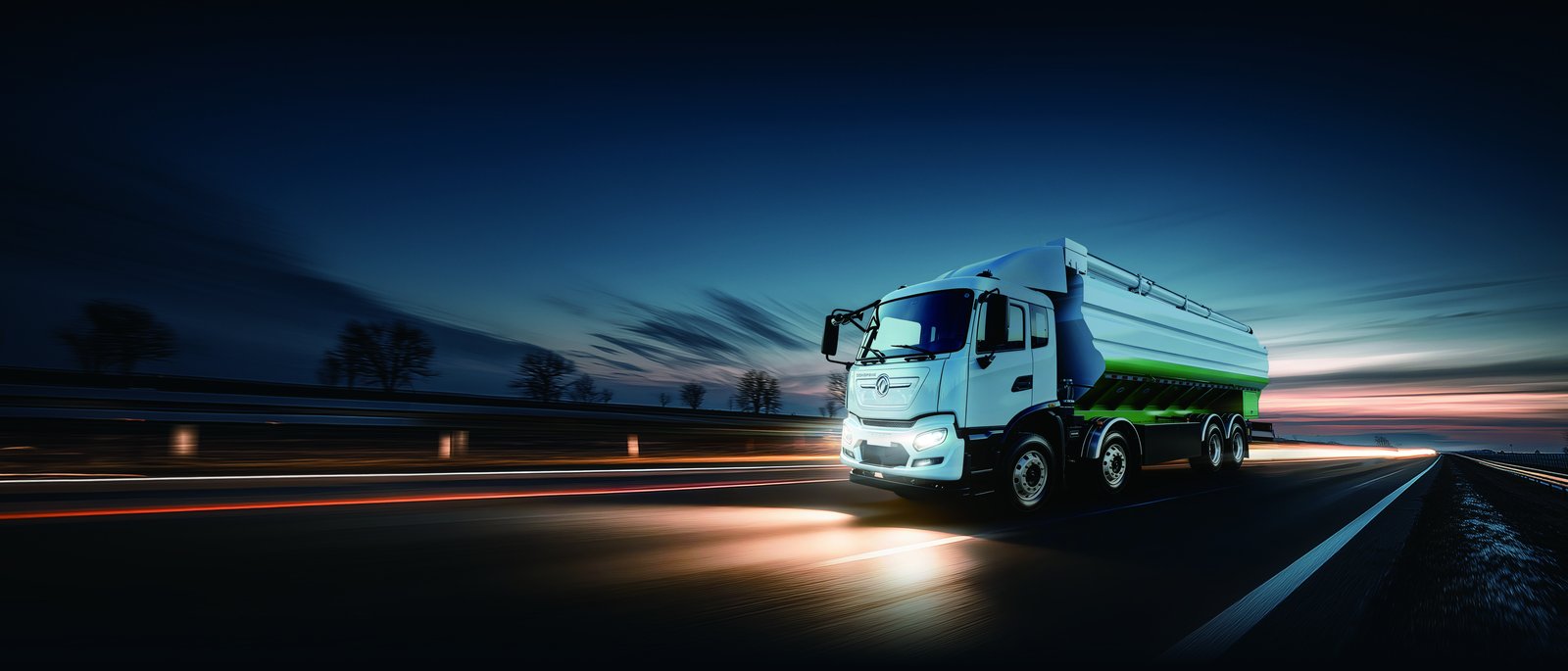
Choosing the right electric truck for Malaysian conditions comes down to matching battery capacity, duty cycle and support infrastructure - and the KT7A electric washing truck is built for exactly this kind of work. With a 262 kWh CATL LFP battery, a 250 kW motor and 240 km of certified range, it covers demanding daily duty while cutting energy cost per kilometer by well over half versus diesel. This guide looks at the KT7A through the lens that matters most to fleet buyers in Malaysia, with the KT7A electric washing truck specifications and real operating data throughout, and pointers to the Malaysia electric truck market for market-specific context.
The maintenance case for electric trucks starts with subtraction. Gone are engine oil and filter changes, fuel filters, injectors, turbochargers, DPF regeneration, exhaust aftertreatment fluid, clutch wear on automated manuals and most transmission servicing. What remains is a shorter list: coolant for the battery and motor thermal loop, brake fluid, gear oil in the drive axle, cabin filters, tires, and friction brakes that last two to three times longer thanks to regenerative braking. For a fleet in Malaysia, this typically cuts scheduled maintenance hours per truck by 50-60% and parts spend by 40% or more. The KT7A concentrates its service needs into predictable, clean, workshop-friendly tasks.
The preventive schedule for the KT7A as an electric washing truck runs on distance and time intervals that fleets can plan around production, not breakdowns. Daily checks cover tires, lights and dash warnings. Monthly items include brake inspection, coolant level and high-voltage connector visual checks. Annual or 40,000-60,000 km service covers gear oil, coolant condition, battery health readout from the BMS, suspension and steering inspection, and software updates. The BMS health report at each service builds the battery history file that protects both warranty coverage and resale value. We supply the full maintenance manual and service checklists with each truck, formatted for fleet workshop management systems.
Climate shapes battery care more than any other factor. In hot Malaysian conditions, the rules are simple: use the thermal management system as designed, avoid parking at 100% charge in extreme heat for days, and favor overnight or shaded charging when ambient temperatures peak. The liquid-cooled CATL LFP pack in the KT7A manages cell temperatures actively, so normal operation needs no heroics - just respect for the charging windows in the operator manual. Fleets that follow these basics consistently see degradation at the gentle end of the warranted curve. Cold-climate operation reverses the advice: precondition the pack while plugged in, and expect a modest winter range reduction that planning should absorb.
A disciplined parts plan keeps an electric fleet earning. High-turnover consumables - filters, brake pads, wipers, lamps - should be stocked locally from day one, sized to fleet count. Medium-turnover items like sensors, contactors and coolant suit a consigned stock arrangement with scheduled replenishment. Low-turnover, high-value components - motor controllers, onboard chargers, battery modules - ship from our Xi'an warehouse on demand, by air for breakdowns and by sea for planned campaigns. Lead times to Kuala Lumpur run days by air and weeks by sea, so the stocking decision should match each part's failure probability to the cost of a grounded truck. We help every fleet customer build this matrix at delivery.
Fleet accountants care about one number: maintenance cost per kilometer. Electric trucks consistently land 40-60% below diesel on this metric. For a KT7A on a typical Malaysian duty cycle, budget $0.04-$0.07 per km for scheduled maintenance and wear items, against $0.10-$0.15 for an equivalent diesel washing truck - and the gap widens with utilization because diesel engine wear scales with running hours. The savings concentrate in years two through six, when diesel trucks enter their expensive mid-life repairs. Add the downtime value - fewer service days means more earning days - and the maintenance case alone justifies a serious look at electric for any high-utilization fleet.
Fleets beyond ten trucks should build in-house EV service capability rather than depending on external workshops. The investment is modest: high-voltage training and certification for two or three technicians, insulated tooling, a dedicated service bay with clear lockout procedures, and diagnostic equipment with factory software access. Technicians transitioning from diesel often become the strongest EV specialists - the fundamentals of brakes, suspension and chassis carry over, and the high-voltage layer is a structured add-on, not a new trade. We support Malaysian fleet workshops with training programs, technical documentation and remote diagnostic support, so first-line service happens in your yard, not in a queue at someone else's.
| Item | Specification |
|---|---|
| Model / Type | KT7A electric washing truck |
| Battery | CATL LFP, 262 kWh, liquid-cooled |
| Motor | LvKong permanent-magnet, 250 kW peak |
| Certified range | 240 km (laden duty cycle) |
| Charging | CCS2 DC fast charge, 20-80% in about 60-90 min; battery swap option on selected variants (5-6 min) |
| Battery warranty | 8 years / 4,500 full-equivalent cycles |
| FOB price guide | $88,000-$112,000 |
The financial case for the KT7A rests on arithmetic that favors electric drivetrains at high utilization. Purchase price at an FOB range of $88,000-$112,000 sits above diesel, but energy cost per kilometer falls by 60-75%, scheduled maintenance drops 40-60% with no engine service items, and regenerative braking extends friction brake life two to three times. Insurance and financing terms for electric trucks in Malaysia now track diesel norms as underwriters accumulate claims data. The residual value side strengthens the case further: the 8-year/4,500-cycle battery warranty transfers to second owners, putting a factory-backed floor under resale prices. On a duty cycle above 150 km per day, most fleets model payback of the price premium inside three years and lifetime savings of $40,000-$90,000 per truck across an eight-year hold. We provide a fleet-specific TCO model with every quotation, using your actual fuel price, tariff and utilization rather than brochure assumptions.
Long-term parts support decides whether an imported truck fleet thrives or stalls. We maintain a structured parts program for the KT7A: a recommended starter stock of high-turnover items - filters, brake components, sensors, contactors, lamps and coolant - sized to fleet count and consigned at delivery; scheduled replenishment by sea for planned maintenance; and air freight dispatch from our Xi'an warehouse for breakdown-critical orders. Every truck ships with a full parts catalog using factory part numbers, so orders are unambiguous. High-voltage components and battery modules move under dangerous-goods-compliant logistics with the documentation customs authorities require. For fleets in Malaysia, we also advise on which wear items can be sourced locally and which should stay factory-genuine - a distinction that protects warranty coverage while controlling cost. The objective is simple: a truck off the road earns nothing, and our parts pipeline is built to keep downtime measured in days, not months.
Structuring the purchase correctly matters as much as choosing the right truck. Standard export terms for the KT7A run on confirmed irrevocable letter of credit or telegraphic transfer with deposit and balance against shipping documents, and we work with buyers' banks across Malaysia to make documentation smooth. For fleet-scale orders, staged payment schedules aligned to production and delivery milestones reduce financing cost, and some buyers layer in export credit or leasing structures from their local market. Buyers should also investigate Malaysian green financing programs - development banks and national green funds increasingly offer concessional rates for zero-emission commercial vehicles, which can cut the effective interest cost meaningfully below commercial lending. The FOB range of $88,000-$112,000 for the KT7A should be modeled against these financing options alongside the operating savings, because the right funding structure often improves project economics more than a marginal price negotiation. Our export team supports proforma documentation for bank applications at no charge.
Ready to electrify your fleet? Contact Shaanxi Fenghan Trading — authorized Dongfeng EV truck exporter. WhatsApp: +86 153 1943 1311 | Email: sales@fenghan-trade.com | dongfengevtrucks.com
🌐 Our Network: Fenghan Trade (SAGMOTO/SHACMAN Truck Export) · SAGMOTO cargo truck flatbed box stake