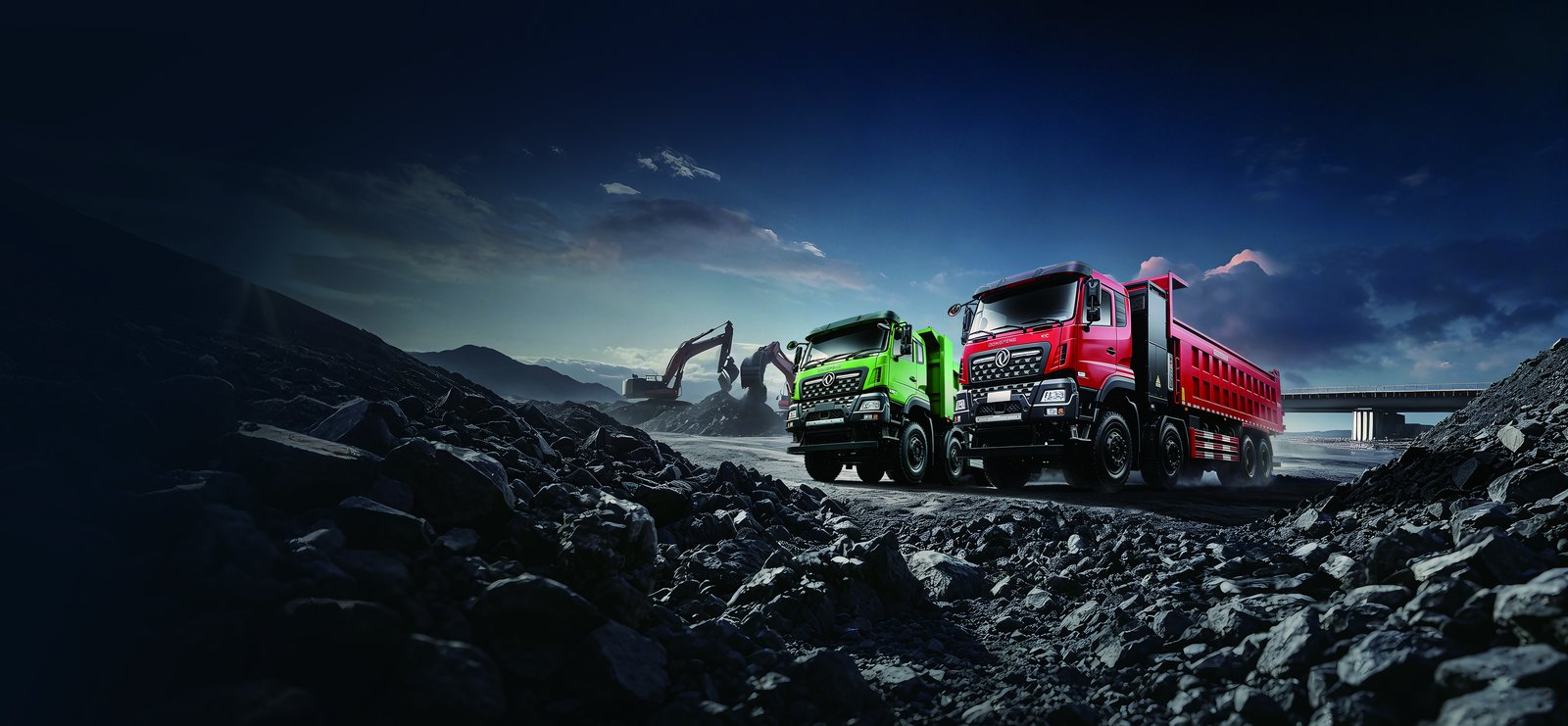
Latin America runs on trucks — and increasingly on Chinese trucks. Chinese brands have taken the region's heavy truck market by storm over the past decade on price and spec, and the electric transition now reopening that market works in the same direction: Chinese-built EV trucks arrive with cost structures no Western or local diesel incumbent can match. This guide covers the regulatory and tariff landscape for importing electric trucks into the region's main markets, and where the first volume opportunities are concentrating.
Chile is Latin America's reference case for Chinese EV imports. The Chile–China FTA eliminated tariffs across vehicle lines years ago, and the country's electro-mobility strategy added reduced or zero tariff treatment for electric vehicles under the defined classification — the result is that Chinese electric buses and trucks land in Chile with minimal duty friction. Add:
The result is the cleanest import stack in the region: FOB price + freight + VAT (19%) + minimal duty. Our TZ3Z/TZ3V electric tippers and KT-family cargo trucks quote most competitively here of any LatAm market.
Peru's China FTA covers most vehicle lines with low tariffs, and its copper and zinc operations mirror Chile's mining demand. Port of Callao receives direct China sailings; clearance runs through licensed agents with our document pack (COC, UN 38.3, inspection certificates). The operational economics — Atacama-adjacent solar, expensive imported diesel at USD 1.00–1.20/L equivalents — make mining-corridor electric tippers immediately viable on fixed pit-to-port loops.
Colombia applies duty to non-FTA vehicle imports but layers meaningful EV incentives on top: VAT reduction for electric vehicles, exemption from circulation restrictions (pico y placa — a daily road-access ban that applies to diesel trucks in Bogotá and other cities), and preferential treatment in some public procurement. For urban distribution fleets in Bogotá and Medellín, the pico y placa exemption alone can swing the business case: an electric box truck runs every day a diesel competitor sits idle two days a week.
Mexico is the region's big prize and its hardest door. The country applies no duty to USMCA-origin vehicles but tariffs on non-FTA imports; more importantly, NOM standards compliance (NOM-068 for emissions-adjacent requirements, labelling, and vehicle-type approvals through the relevant authorities) plus local content politics make Mexico a specialist project rather than a straightforward export lane. We engage with Mexican partners through structured programmes rather than spot orders — the market is worth the patience, not the shortcuts.
Panama's Colón Free Zone is the classic play for LatAm EV distribution: units land in the free zone (no import duty on entry), and re-export to final markets occurs only as destination demand crystallises. Panama itself — with the Canal's logistics ecosystem, high diesel prices, and dollarised economy — is a genuine end market for electric port and distribution trucks, and CFL zone operators increasingly hold mixed stock for regional buyers.
| Market | Duty regime | Other taxes | Indicative landed premium over FOB |
|---|---|---|---|
| Chile | ~0% (FTA + EV treatment) | VAT 19% | ~25–30% |
| Peru | Low (FTA) | VAT 18% + selective | ~28–35% |
| Colombia | Standard, offset by EV VAT cut | Reduced VAT on EVs | ~30–38% |
| Panama (free zone entry) | 0% on entry | None until re-export | ~15–20% (freight + handling) |
| Mexico | High non-FTA + NOM programme | VAT 16% | Project-specific |
For fleets and dealers entering from zero: quote Chile or Peru mining-corridor duty first (cleanest tariff stack, strongest economics), hold stock or consignment through Colón for multi-market distribution, treat Colombia's urban segment as the volume play once access-restriction advantages are verified locally, and run Mexico as a deliberate long-term certification project. The region's electric truck decade is just beginning — the operators who establish import channels now will own the lanes when volume arrives.
Ready to electrify your fleet? Contact Shaanxi Fenghan Trading — authorized Dongfeng EV truck exporter. WhatsApp: +86 153 1943 1311 | Email: sales@fenghan-trade.com | dongfengevtrucks.com
🌐 Our Network: Fenghan Trade (SAGMOTO/SHACMAN Truck Export) · SAGMOTO Trucks (sagmoto-trucks.com)