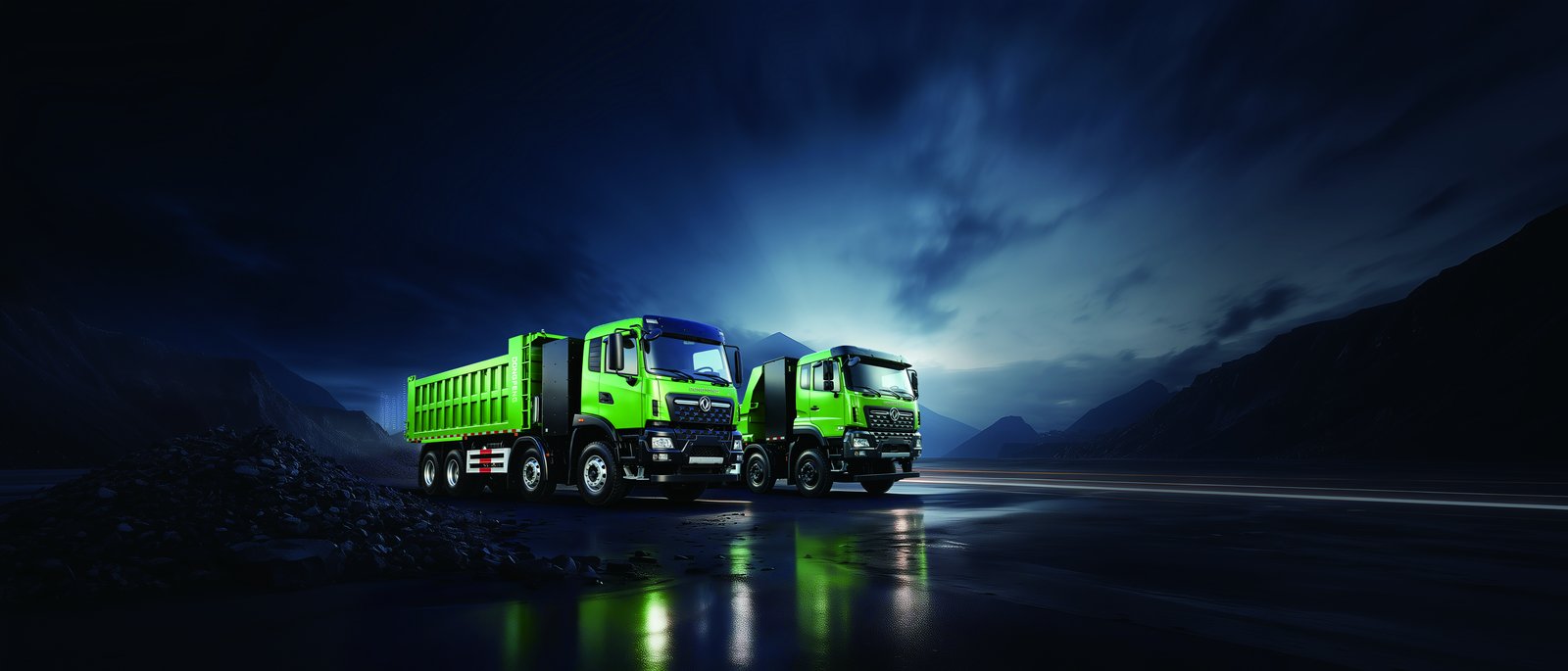
Cairo's streets need washing through the night to keep dust and heat at bay, and the KT7A electric truck is becoming the quiet workhorse of the city's municipal cleaning fleet. This electric washing truck uses a 262 kWh liquid-cooled CATL LFP battery and a 282 kW LvKong motor to run pumps, spray, and road travel from one pack, covering a full nightly shift without idling a diesel engine. In this review we examine pump and tank specs, nightly range, and the operating savings for Egyptian cities in 2026.
Cairo's summer heat bakes dust onto roads, and diesel washing trucks add exhaust and noise to the night-time cleaning that residents depend on. An electric washing truck removes both problems: it runs silently through dense neighbourhoods and emits nothing at the curb. For Egyptian municipalities facing air-quality and noise targets, the KT7A EV truck is a visible investment that improves street conditions while lowering the cost of each washing shift.
The KT7A pairs a sizeable water tank and high-pressure pump with a 262 kWh CATL LFP battery, liquid-cooled to hold performance through hot nights. A 282 kW LvKong motor drives the chassis while electric ancillary drives power the pump without a separate engine. Dongfeng warrants the pack for 8 years or 4,500 cycles, a strong fit for a municipal machine that charges during the day and works overnight.
| Specification | KT7A value |
|---|---|
| Battery capacity | 262 kWh CATL LFP, liquid-cooled |
| Peak motor power | 282 kW (LvKong) |
| Washing system | Electric pump + tank, high-pressure spray |
| Real-world range | 200-260 km per shift |
| DC fast charge | 120/240/360 kW (20-80% in 45-90 min) |
| Battery warranty | 8 years / 4,500 cycles |
| Export price (FOB China) | $70,000-$95,000 |
On a full nightly route, the KT7A delivers 200-260 km of travel per charge, more than enough for a complete Cairo cleaning circuit. Because the pump draws from the same pack as the drivetrain, operators should plan around water refill points rather than battery: a full tank covers a long stretch of curb and road washing before the truck returns to a hydrant. The liquid-cooled LFP pack holds capacity through repeated daily cycles, and overnight charging resets the truck for the next shift.
The KT7A supports DC fast charging at 120, 240, or 360 kW, reaching 20-80% in 45-90 minutes. Most Cairo depots can service it with an overnight 120 kW charger, while cities running day-and-night cleaning can add a 240 kW unit for a turnaround. The shared Dongfeng electric architecture means the same charger can later service sweepers and sprinklers, keeping depot build-out cost-efficient as the fleet expands.
The FOB price of $70,000-$95,000 is competitive with diesel washing trucks, but the running savings are where the KT7A EV truck pulls ahead. There is no engine oil, no exhaust aftertreatment, and fewer moving parts in the LvKong driveline. Energy to run a full nightly shift costs a fraction of the diesel a combustion washer burns while pumping, and brake wear drops through regenerative braking in stop-start city driving.
City fleets should confirm depot power, tank certification for potable or reclaimed water, and a service partner for the LvKong system before purchase. Our Egypt electric truck market guide details import duty, charging standards, and the specifications Egyptian operators are adopting, which helps procurement teams build a defensible business case for council approval.
For municipalities starting an electric program, the KT7A electric washing truck is a low-risk anchor because it shares the 262 kWh Dongfeng platform with sweepers and sprinklers. Standardising on one battery and one charger type across washers, sweepers, and sprinklers keeps training, spares, and support simple as the city scales toward a fully electric cleaning fleet.
Egyptian municipalities should judge the KT7A on whole-life cost rather than the $70,000-$95,000 FOB price alone. The model must include the nightly energy draw, the removed diesel and aftertreatment servicing, and the residual supported by the 8-year LFP warranty. For a city running nightly washing, the lower running cost and silent operation usually justify the switch within the first budgeting cycle. Cities should also investigate clean-mobility grants and leasing arrangements that lower the initial payment, and they should fold depot charging into the same plan so the operating line stays steady. Accounting for the battery as a separate, warrantied asset helps finance teams set a credible second-life or trade-in value, which keeps the KT7A financeable across its service life. For procurement teams preparing a council case, presenting the washer as a depreciable, low-cost asset rather than a pilot novelty is what secures approval and funds the next stage of electric street cleaning. Buyers should also factor import duty and any local-content rules into the comparison, since these can shift the relative position of electric and diesel options in either direction. Finally, the simplified drivetrain reduces the skill level needed for workshop staff and improves driver retention, two factors that protect the lifetime cost case once the trucks are in daily service.
Bringing the KT7A EV truck into a Cairo municipal fleet is mostly a shift in daily routine rather than a skills challenge. Drivers quickly adopt silent, single-pedal night operation and learn to manage pump pressure and water use from the cab, while supervisors replace fuel checks with charge and hydrant planning. A sensible rollout pilots a few units on a defined night circuit, trains crews on regen braking and spray control, then scales across the city once the overnight charging pattern is proven. Pilots also identify the most reliable water refill points and the cheapest grid charging windows for the depot.
The KT7A's 262 kWh LFP pack, warranted for 8 years or 4,500 cycles, underpins predictable residual value for Egyptian cities. LFP degrades slowly and liquid cooling protects cells through hot nights, so the pack retains useful capacity well past the warranty, supporting a second-life or structured trade-in. Municipalities should budget the battery separately from the chassis, monitor cycles against the cap, and secure service for the LvKong driveline and pump. With that accounting in place, the electric washing truck becomes a financeable, depreciable fleet asset that councils can plan around for a full replacement cycle.
Before the KT7A enters municipal service, operators should stock the consumables the LvKong drivetrain shares across the Dongfeng range and confirm a service partner for the motor and pump. Because the electric washer shares its pack and charger with sibling sweepers and sprinklers, one spares kit covers much of the fleet, which keeps workshop cost low and avoids downtime on a service-critical cleaning route.
Cairo needs street washing that protects air quality and keeps residents sleeping, and the KT7A electric truck delivers quiet, emission-free cleaning on a durable LFP platform. With overnight depot charging and a shared Dongfeng architecture, it is a practical first step toward a cleaner municipal fleet.
Ready to electrify your fleet? Contact Shaanxi Fenghan Trading — authorized Dongfeng EV truck exporter. WhatsApp: +86 153 1943 1311 | Email: sales@fenghan-trade.com | dongfengevtrucks.com
🌐 Our Network: Fenghan Trade (SAGMOTO/SHACMAN Truck Export) · SAGMOTO heavy duty diesel trucks