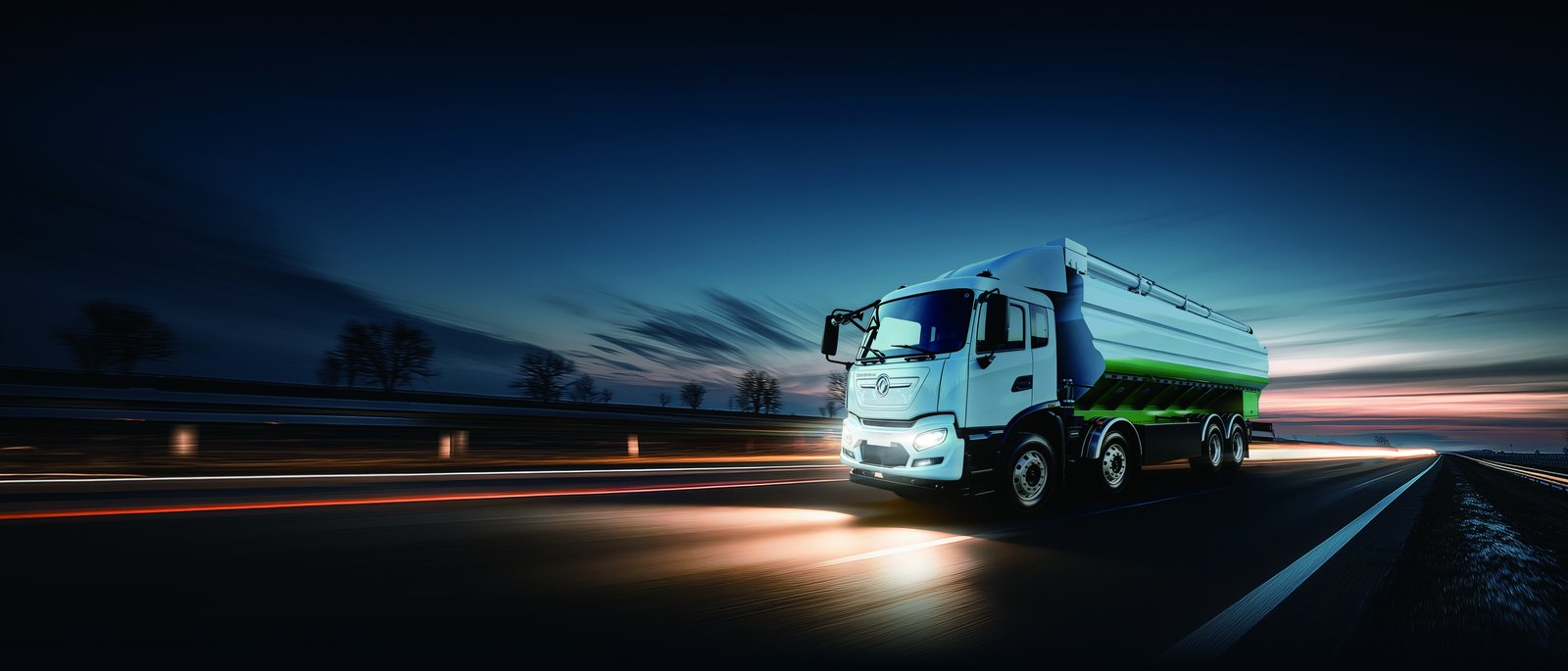
Cold chain is the most energy-intensive freight a truck can carry. A diesel reefer runs two engines — one for the road, one bolted to the cargo box — and the second engine runs all day regardless of traffic, distance or payload, burning 2–4 L of diesel per hour while the truck is parked at a dock. An electric cold-chain truck like the Dongfeng KT5M with a factory reefer-ready chassis collapses that to one battery and one bill: the refrigeration unit draws directly from the traction pack, the standby energy cost falls by 80–90%, and the whole system becomes a single kWh budget that dispatch can actually manage. For the market where cold-chain electrification economics are strongest in our portfolio, see our Kenya electric truck market guide — horticulture and dairy export logistics are re-running their fleet models on exactly this arithmetic. This guide covers the reefer body specification on an electric chassis: the refrigeration unit choice, the energy budget by temperature class, insulation engineering, payload arithmetic and the fleet economics.
On an electric chassis, do not accept a diesel-driven reefer unit — the entire advantage dies with it. The specification:
| Aspect | Diesel reefer unit | All-electric reefer unit on EV chassis |
|---|---|---|
| Energy source | Separate diesel tank and engine | Traction battery via HV-DC conversion |
| Standby at dock | 2–4 L/h, continuous | 0.8–2.5 kW from the pack — a rounding error |
| Noise at night docks | Diesel unit noise restricts urban night delivery | Near-silent — night windows open |
| Maintenance | A second engine's full service stack | Compressor and fans — light, predictable |
| Temperature stability | Engine-cycling control | Inverter-driven, tight bands, datalogging native |
Size the unit by heat load, not habit: the calculation is body volume × insulation performance × ambient delta × door-opening frequency. In 35–45 °C tropical duty with 20+ door events a day, the difference between an adequately and an inadequately sized unit is the difference between holding a 0–4 °C band and drifting into it — and pharmaceutical or export-grade contracts specify the band, not the ambition.
Route planning needs the reefer draw as a first-class number. Our planning figures for a KT5M-class 20–25 m³ body in hot climates:
Three operating disciplines that these numbers force: pre-cool the empty body to setpoint before loading (the cheapest kWh in cold chain is the one you spend at the depot); minimise door events (driver training, dock sequencing); and monitor the door sensor telemetry (the door event log is the forensic record for every temperature-excursion claim).
The reefer body costs payload three times over: the insulated box is heavier than a dry box (typically +300–500 kg), the refrigeration unit adds mass, and the electric chassis already carries the battery. The KT5M's 8–10 t payload class absorbs it, but the specification discipline is real: every millimetre of unnecessary insulation wall, every oversized unit and every steel reinforcement the fabricator adds "for safety" is paid for in load capacity every working day. Our factory-integrated reefer configurations are engineered against exactly this arithmetic — and where a local fabricator builds the body, we supply the chassis mounting drawings and the weight budget with the order.
Run the comparison for a 10-truck chilled distribution fleet on 110 km/day, 300 days, tropical duty — diesel reefer unit at 3 L/h × 8 h + truck diesel at 22 L/100 km, against the KT5M reefer at 0.7 kWh/km driving + 2 kW average refrigeration, electricity at USD 0.11/kWh:
| Annual item (10 trucks) | Diesel truck + diesel reefer | KT5M electric reefer |
|---|---|---|
| Traction fuel / energy | USD 62,000 | USD 23,000 |
| Refrigeration fuel / energy | USD 28,000–38,000 | USD 6,600 |
| Maintenance (both systems) | USD 38,000 | USD 13,000 |
| Total annual operating | USD 132,000–142,000 | USD 43,000 |
A 3:1 operating advantage — the strongest single ratio in the distribution class, driven by the reefer unit's diesel elimination more than by the traction. Against a capital premium of USD 30,000–45,000 per truck, cold-chain KT5M fleets pay back in 12–20 months, the fastest in our entire export range. Add the tender optics (pharmaceutical and food multinationals scoring cold-chain emissions) and the night-delivery windows that silent refrigeration opens in congested cities, and the refrigerated electric truck is less a sustainability choice than a competitive structure.
Cold chain rewards precision — the operators who specify the unit, the insulation and the energy budget carefully are already running the cheapest degrees in the market. The electric chassis makes that precision possible for the first time; the specification discipline in this guide is what turns it into margin.
The trajectory of this market is easy to see from where the early deployments stand. The KT5M reefer running dairy and produce routes today is the first generation of a fleet architecture that will add dual-temperature compartmentation as standard, door-telemetry-driven route optimisation as routine, and grid-interactive depot charging — where the refrigerated fleet's flexible load earns demand-response revenue while it charges — as the markets that price such things mature. The operators building now are, in effect, installing the platform all of that bolts onto, and the specification discipline in this guide is what keeps those future options open rather than designed out. Cold chain also has the cleanest customer-side story in freight: every degree saved is food waste prevented, margin protected and a claim avoided, which is why the finance director signs off faster here than in any other fleet class we propose.
Refrigeration was the freight industry's most expensive habit for a century. The electric chassis simply ends the habit — and pays the fleet back for the century it spent paying for it.
Ready to electrify your fleet? Contact Shaanxi Fenghan Trading — authorized Dongfeng EV truck exporter. WhatsApp: +86 153 1943 1311 | Email: sales@fenghan-trade.com | dongfengevtrucks.com
🌐 Our Network: Fenghan Trade (SAGMOTO/SHACMAN Truck Export) · SAGMOTO cargo truck flatbed box stake