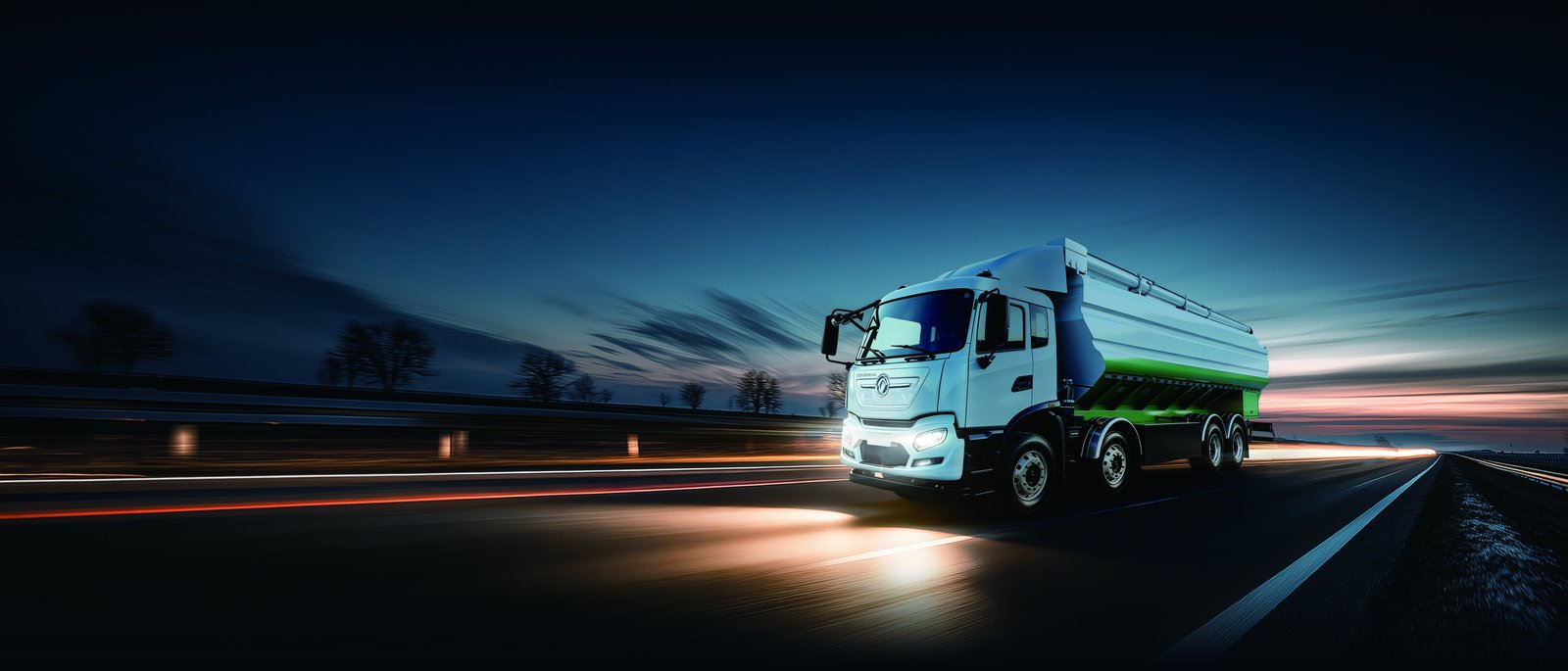
Beverage distribution is freight at its most punishing: heavy, dense product (a cubic metre of soft drink is a tonne and a half), tight delivery windows at hundreds of small outlets, two-shift plant operations, and — in the tropical markets where most growth sits — cabs that spend the day fighting 35 °C heat. It is also freight at its most electrifiable, because every characteristic of the mission is an electric-truck strength: short radii from plant to trade, heavy stop-start duty where diesel engines idle and suffer, depot return every night at the plant gate, and a fuel bill that is the single largest controllable cost on the P&L. This article prices the KT5M electric box truck on bottling-plant duty — the ambient soft-drink runs and the chilled juice and dairy routes — with the numbers our beverage-sector quotations run on.
A KT5M on beverage distribution runs one of two missions. The trade route: 25-45 drops of mixed pallets at groceries, kiosks and convenience stores within a 60 km radius of the plant — 100-150 km per day, 55-65% of shift time stationary (loading, unloading, traffic). The wholesale run: full-pallet loads from plant to distribution centres and key accounts, 150-250 km at higher load factors. On trade duty the diesel equivalent burns 28-40 litres a day, and half of it goes to idling at the kerb and fighting the torque demands of stop-start hauling; the KT5M covers the same day at 150-210 kWh (1.4-1.5 kWh/km with full AC in tropical heat), all of it charged overnight at the plant. The chilled variants — juice, dairy-inclusive distribution, water in PET where heat exposure matters — add the electric reefer body option, whose compressor runs off the main pack and replaces the diesel donk that beverage fleets know as their least reliable engine.
| 12-truck KT5M fleet, tropical beverage distribution | Diesel | Electric |
|---|---|---|
| Daily energy cost per truck (trade route) | USD 30-42 | USD 10-16 |
| Annual maintenance per truck | USD 4,500-6,000 | USD 2,200-2,800 |
| Fleet annual saving (320 days) | — | USD 90,000-125,000 |
| Depot: 3 × 120 kW on plant substation | — | USD 45,000-60,000 one-off |
Three beverage-specific economics strengthen the base case. First, the plant-charging dividend: bottling plants are heavy industrial power users with strong tariffs and existing substations — the fleet's energy arrives at the plant's own rate, often 20-40% below standard commercial pricing. Second, the two-shift synergy: plants that run night shifts (beverage production is rarely 9-to-5) already buy off-peak power, and the trucks charge into the same cheap window the production line uses. Third, the payload arithmetic: a KT5M carries the dense-pallet beverage load comfortably, and on the trade route — where legal GVW rarely binds before cube does — the electric drivetrain's torque handles the full-load kerbside restarts that stall diesel cabovers in traffic. Payback on a per-truck premium of USD 15,000-20,000 runs 20-28 months across the tropical markets we quote.
The hot-climate beverage fleet lives and dies by cab air-conditioning uptime — drivers who roast leave, and beverage fleets have the industry's highest driver turnover. The electric cab's sealed, inverter-driven AC runs while stationary without engine idle, which in the trade-route reality means drivers now run cool air at every one of forty stops instead of shutting down to save fuel. Retention math follows directly, and our commissioning teams report beverage-fleet driver adoption as the fastest of any sector. The hygiene layer matters at the plant gate: zero-exhaust loading at the bottling dock is an HSE line item plant managers appreciate, and increasingly a customer-audit point — the major bottlers' international licensors (the global soft-drink and brewing parents) run environment audits on their franchise bottlers, and the distribution fleet is inside the audit perimeter. The route-level detail for specific markets — the Philippines, Nigeria, Egypt, Indonesia and the Gulf beverage corridors covered in our market pieces — is consolidated on the relevant country market pages; the plant-gate economics above travel with the sector anywhere the sun is hot and the margins are thin.
The conversion sequence that works for beverage operators: pilot on the two tightest trade routes out of one plant (five KT5Ms, one dual-gun charger, one quarter of instrumented data), expand to the plant's full trade fleet once the fuel and driver data land, then replicate across plants using the first plant's crew as trainers. The order of expansion between plants should follow electricity economics — the plants with the best tariffs and the most reliable feeders convert first, and the worst-feeder plants get the buffered-charger design. The franchised bottlers in our pipeline all reach the same board-level conclusion: the electric fleet is not a sustainability expenditure, it is the only structural reduction available on the largest controllable line in their P&L — and the licensor audits that once treated fleet emissions as a footnote now treat them as a condition of the franchise. The beverage sector electrifies early in every market we track; the only variable is which bottler signs the first plant-gate charging agreement in each country.
Beverage operators preparing a first electric fleet can structure the plant-gate case with five moves:
The beverage sector's economics — dense loads, short radii, plant-gate depots and the industry's thinnest margins — make it the textbook first mover in every market we track. The only open question in each country is which bottler signs the first plant charging agreement; the first signature usually ends the debate for the rest.
Ready to electrify your fleet? Contact Shaanxi Fenghan Trading — authorized Dongfeng EV truck exporter. WhatsApp: +86 153 1943 1311 | Email: sales@fenghan-trade.com | dongfengevtrucks.com
🌐 Our Network: Fenghan Trade (SAGMOTO/SHACMAN Truck Export) · SAGMOTO cargo truck flatbed box stake