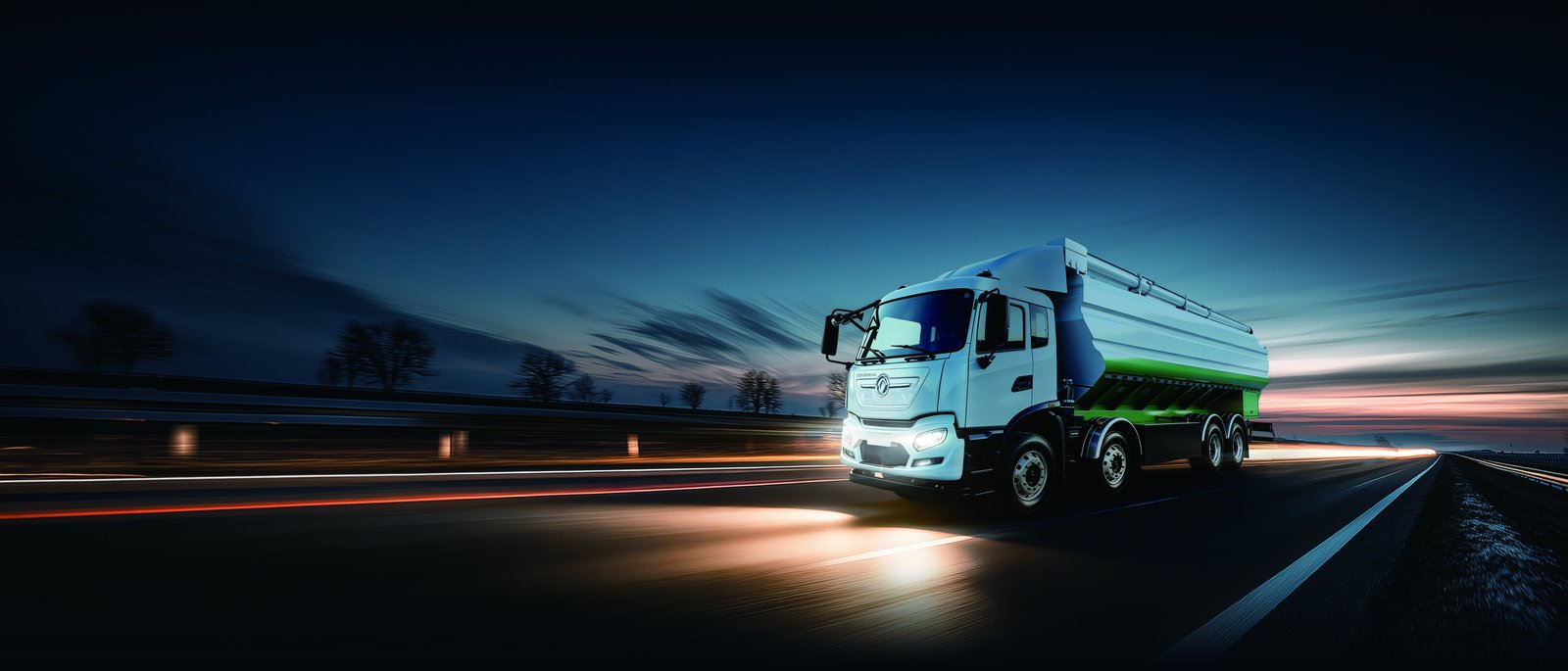
Pakistan's food and pharmaceutical cold chain is expanding fast, and the refrigerated delivery leg is one of the best places to deploy an electric truck. The KT5J electric cargo truck pairs a CATL LFP traction battery with a high-voltage reefer drive, so the cooling unit runs off the same pack as the wheels, no second diesel engine humming at the curb. On the Karachi-Lahore corridor and inside Karachi and Lahore's dense urban grids, the KT5J cuts both fuel cost and the spoilage risk that comes with unreliable refrigeration.
An EV truck with an electric reefer also removes the most annoying feature of a diesel chiller: noise and fumes at night outside homes, pharmacies, and restaurants. That makes evening and early-morning delivery windows far easier to approve. For vaccine and pharmaceutical distribution, where a stable temperature band is a regulatory requirement, the electric reefer's precise electronic control is a genuine compliance advantage, not just a comfort feature.
Cold chain operators live or die on set-point stability. A diesel reefer's capacity falls as the engine ages and as ambient temperature climbs, which is exactly when Pakistan needs it most. The KT5J's electric reefer draws fixed power from the pack and holds temperature regardless of vehicle speed or traffic, so a truck stuck in a Lahore jam keeps cooling while a diesel unit would be revving and polluting to stay alive.
The KT5J is offered with CATL LFP packs from 282 to 384 kWh and a LvKong motor of 282-350 kW and 2200-2800 Nm. The battery must power both propulsion and the reefer, so we size the pack to the longest planned daily route plus a reserve for door-open losses in hot weather.
| Parameter | KT5J (Pakistan cold chain) |
|---|---|
| Battery | CATL LFP 282-384 kWh |
| Drive motor | LvKong 282-350 kW / 2800 Nm |
| Energy use | 1.0-1.4 kWh/km (reefer included) |
| Range | 230-330 km per charge |
| DC fast charge | 1.5-2 h (20-80%) |
| Warranty | 8 yr / 4500 cycles |
| FOB reference | USD 45,000-85,000 |
Pakistan's extreme summer heat is a real test, but the LFP chemistry and sealed drivetrain are built for high ambient temperatures, and the electric reefer holds set-point more steadily than a diesel unit that loses capacity in traffic. The body is specified with enhanced insulation and a tight vapor seal so that the pack's cooling load stays manageable even when the ambient exceeds 45 Celsius.
The corridor splits cleanly into two duty types: long intercity hauls between Karachi and Lahore, and tight urban distribution at each end. The KT5J is best deployed on the urban leg and the feeder runs, where its range and low noise pay off most.
By charging at the cold store overnight, operators also avoid daytime peak tariffs and keep the reefer running on cheap, clean energy. Pre-cooling on grid power before the truck is even loaded is a simple habit that can save 10 to 15 percent of pack energy on the first leg, because the refrigeration system is not fighting a hot box while also moving the vehicle.
For the long Karachi-Lahore intercity leg, we recommend a staged approach: electric reefer trucks handle the first and last 100 km through each city, while the middle is covered by larger tractors or by a planned charging stop. This hybrid plan captures the urban air-quality benefit where it matters most while respecting the KT5J's range envelope.
Karachi's coastal humidity and Lahore's searing summers both stress diesel refrigeration. The KT5J's electric reefer is sealed and electronically controlled, holding tighter temperature bands. On the grades climbing out of the Indus plain toward Lahore, the motor's full low-speed torque preserves schedule even when fully loaded. The sealed high-voltage system also resists the corrosion that coastal humidity inflicts on diesel reefer units, which routinely fail on their electrical rather than mechanical side.
Pakistan loses a large share of perishable produce to broken cold chains, and every spoilage event is both a financial loss and a food-security setback. The KT5J's dependable electric refrigeration reduces those losses directly. On the energy side, the combined propulsion and reefer load still beats a diesel tractor plus diesel reefer on cost per kilometre, because both loads draw from one efficient electric account rather than two wasteful combustion engines.
The 8-year / 4500-cycle warranty gives cold-chain operators a clear battery replacement horizon, and the resale value of a well-documented electric reefer truck is supported by growing buyer preference for low-emission food logistics.
The KT5J changes the driver's routine in ways that directly protect cargo. Because the reefer is electric and set-point is held automatically, the driver no longer babysits a diesel chiller or worries about it stalling in traffic. The telematics system logs internal temperature, door-open events, and any excursion beyond the allowed band, producing a compliant cold-chain record that pharmaceutical and export customers increasingly demand. A single bad trip that lets a vaccine or seafood load warm by a few degrees can void an entire shipment; the KT5J's stable electric cooling makes that failure mode far less likely.
We train drivers on pre-trip battery and reefer checks, which are simpler than a diesel pre-trip because there is no engine oil, coolant, or exhaust to inspect, only a state-of-charge readout and a reefer set-point confirmation. The result is faster turnaround at the cold store and fewer roadside breakdowns. For fleet managers, the unified energy account, one pack powering both motion and cooling, means a single meter and a single bill, which simplifies reconciliation across the Karachi and Lahore operations.
As Pakistan's cold-chain standards tighten, operators with documented electric refrigeration will find it easier to win contracts with multinational food and pharma brands that audit their logistics emissions and reliability.
While the KT5J shines on urban distribution, many Pakistani operators ask whether it can serve the longer Karachi-Lahore leg directly. The answer is a staged one: for the intercity corridor, the larger 384 kWh pack and a single planned charging stop at a highway cold store make a direct run feasible for time-definite freight, while the more common pattern keeps the KT5J on the city ends and uses larger tractors or relay points for the middle.
This hub-and-spoke arrangement captures the highest-value benefit, clean, quiet refrigeration in dense Karachi and Lahore, where emissions and noise rules are tightest, while respecting the battery's range on the open road. As charging infrastructure matures along the motorway, the share of the intercity leg that the KT5J can cover will grow, and the same trucks simply take on longer tours.
Operators should track energy per kilometre separately for urban and highway segments, because the stop-start city profile favors regeneration while the steady highway profile is less forgiving. That data informs the eventual pack-size decision and helps justify a future upgrade to the longest-range configuration once the corridor charging network is proven.
Pakistan's cold chain is a priority for food security and pharma integrity, and electric reefer trucks are a sensible early step. For route modeling, pack sizing, and import support, see our Pakistan electric truck market guide, and review the full KT5J electric cargo truck specification for reefer-ready configurations.
Ready to electrify your fleet? Contact Shaanxi Fenghan Trading — authorized Dongfeng EV truck exporter. WhatsApp: +86 153 1943 1311 | Email: sales@fenghan-trade.com | dongfengevtrucks.com
🌐 Our Network: Fenghan Trade (SAGMOTO/SHACMAN Truck Export) · SAGMOTO cargo truck flatbed box stake