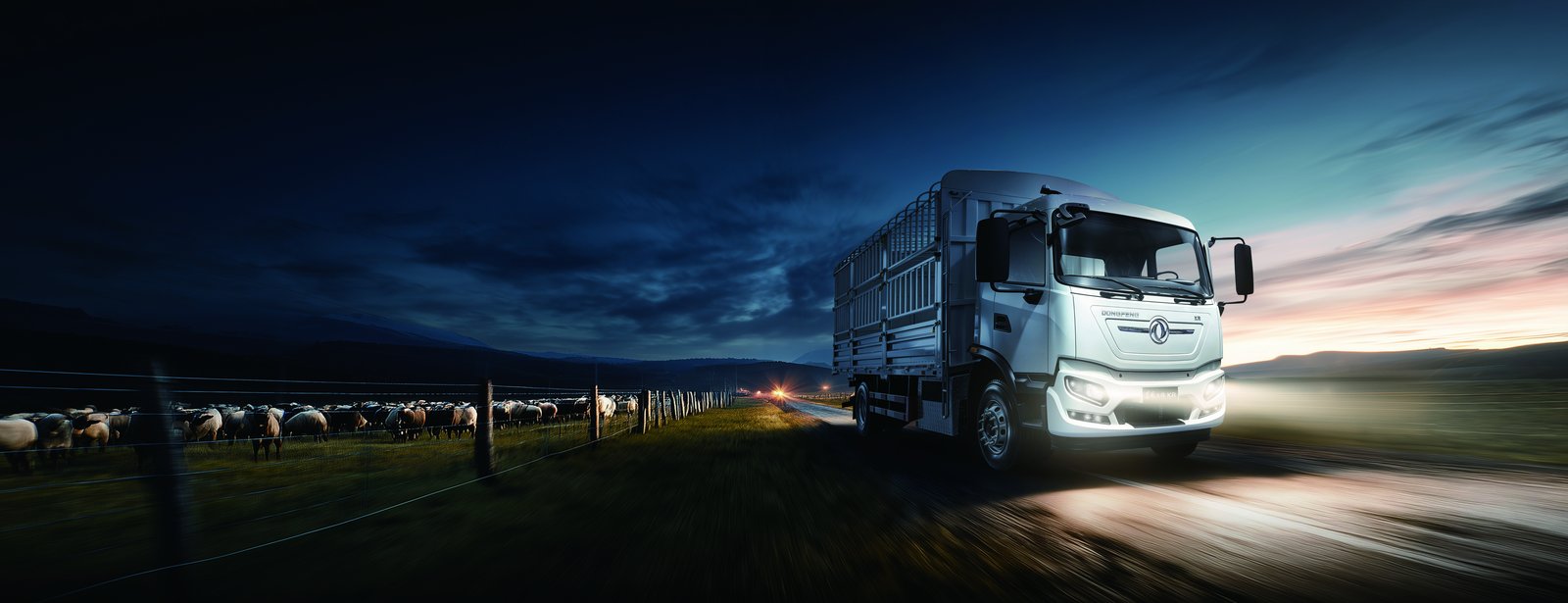
Addis Ababa sits at 2,400 meters and, in the dry season, the fine volcanic dust that blows off construction sites and unpaved feeder roads is a public-health and visibility problem the city fights every day. The electric truck is a natural fit for that fight. The KT3F electric sprinkler truck gives Ethiopian municipalities a zero-emission road-watering and dust-suppression platform that runs quiet morning and evening passes through dense neighborhoods without adding noise or exhaust to the air it is supposed to clean. This guide covers the KT3F for municipal fleets: the duty cycle in Addis Ababa, the spec sheet, the water and energy math, charging at the depot, the maintenance story, and the procurement picture for city administrations.
Municipal sprinkler work is the ideal electric duty: low average speed, frequent starts and stops, fixed routes radiating from the depot, and a return-to-base pattern that makes depot charging trivial. A typical shift covers 60-140 km of city roads in 6-10 short passes, spraying during the cool morning window and again in the late afternoon when dust peaks. Because the truck never leaves the city and never carries a revenue payload, its energy use is dominated by the pump and the rolling resistance, not by freight mass. Three factors make the KT3F the right tool, and they hold across most highland Ethiopian cities.
The KT3F pairs a CATL LFP battery in the 262-350 kWh range with a LvKong permanent-magnet motor rated 282-355 kW and 2200-2600 Nm of torque, more than enough for the graded climbs around the city and the loaded water tank. The tank and pump package integrates with the high-voltage system so the spray pump draws from the traction battery through a managed DC-DC stage rather than a separate engine. Full-load range is 200-350 km, which covers a full day of watering on a single charge, and DC fast charge from 20-80 percent takes 1.5-2 hours if a shift runs long during peak dust events.
| Parameter | KT3F Sprinkler |
|---|---|
| Battery (CATL LFP) | 262 / 338 / 350 kWh |
| Motor (LvKong PM) | 282-355 kW / 2200-2600 Nm |
| Full-load range | 200-350 km |
| Energy use (loaded) | 0.9-1.3 kWh/km |
| DC fast charge 20-80% | 1.5-2.0 h |
| Battery warranty | 8 yr / 4500 cycles |
| FOB guide | USD 45,000-85,000 |
See the KT3F electric sprinkler truck model page for tank volumes, spray-bar and cannon options, and the chassis wheelbase choices that matter for narrow municipal lanes in the older districts of Addis Ababa.
A municipal sprinkler's real consumable is water, not fuel. The KT3F's pump draws only a few kW during spray, so even on a 140 km shift the traction and pump load together stay inside the pack's daily cycling budget. At 1.0-1.3 kWh/km, a full day costs a fraction of the diesel equivalent, and the 8-year / 4500-cycle LFP warranty means the battery outlasts the vehicle's first ownership period. Operators should size the tank to the route so refill stops coincide with the depot return, keeping the truck productive and the water source controlled rather than relying on ad hoc city hydrants that slow the shift.
Municipal depots in Addis Ababa already have three-phase power for workshops and fuel pumps; adding a 120 kW DC charger is a modest upgrade. Overnight charging covers the next day's passes, and a single fast-charge session extends a fleet through peak dust events. Because the duty is entirely within the city, there is no range anxiety and no need for public charging infrastructure - the depot is the whole energy story. We suggest a charge scheduler so the fleet draws during off-peak hours and the depot supply is never strained by several units charging together.
The KT3F removes the diesel engine, pump drive belt and exhaust system that dominate sprinkler-truck service. Scheduled work shrinks to brakes, tires, the spray pump and the high-voltage inspection. Driver training is short because the unit drives like any municipal truck but without gear changes, and the quiet cab improves working conditions for crews starting before dawn. Spare pump seals and nozzles should be stocked locally; the powertrain itself rarely needs field service.
Ethiopian municipal buyers typically procure through a ministry or city administration tender, often with development-bank financing that favors clean-energy fleets. Our export team supports left-hand-drive builds, conformity documentation and CIF delivery to Djibouti port with onward rail or road to Addis Ababa.
The practical path for an Ethiopian municipality is to start with two or three KT3F units on the densest residential grids, prove the water-and-energy budget for a season, then scale the depot charger as the fleet grows. Because the duty never leaves the city, there is no infrastructure risk beyond the depot itself, and the visible benefit - quieter mornings and cleaner air on the worst dust days - builds political support for the next phase of the order.
On total cost, the KT3F's energy at 1.0-1.3 kWh/km is a fraction of the diesel equivalent, and the removed engine, pump-drive and exhaust systems cut the municipal workshop load. Even after amortizing the higher FOB price of USD 45,000-85,000 and a 120 kW charger, most city fleets recover the premium within two to three dry seasons of intensive watering, and the 8-year / 4500-cycle battery warranty removes the residual-value fear that has slowed municipal EV adoption elsewhere. Development-bank financing that favors clean-energy fleets often improves the terms further, because the operating saving is immediate and measurable.
Residual value is also supported by the simplicity of the machine. With fewer failure points, a KT3F at end of first ownership is easier to refurbish or redeploy to a smaller district than a worn diesel sprinkler with a tired engine and aftertreatment system. For fleet managers the real metric is cost per kilometer of road watered, and on that basis the electric unit wins once utilization is high enough to spread the charger across the fleet rather than a single truck.
Operators should also plan the water supply as carefully as the energy. Sizing the tank to the route so refill coincides with the depot return keeps the truck productive and avoids ad hoc hydrant draws that slow the shift. A simple telematics layer tracking kilometers watered, energy drawn and pump hours lets a municipality show councillors a clean cost-per-kilometer figure that justifies the next order. The KT3F's quiet morning passes also reduce complaints from residents, which is a soft but real benefit when the budget renewal comes up and the clean-air mission is reviewed.
For the broader market context, the Ethiopia EV truck market page covers incentives, charging policy and fleet-scale rollout scenarios for highland cities beyond the capital.
Ready to electrify your fleet? Contact Shaanxi Fenghan Trading — authorized Dongfeng EV truck exporter. WhatsApp: +86 153 1943 1311 | Email: sales@fenghan-trade.com | dongfengevtrucks.com
🌐 Our Network: Fenghan Trade (SAGMOTO/SHACMAN Truck Export) · SAGMOTO heavy duty diesel trucks