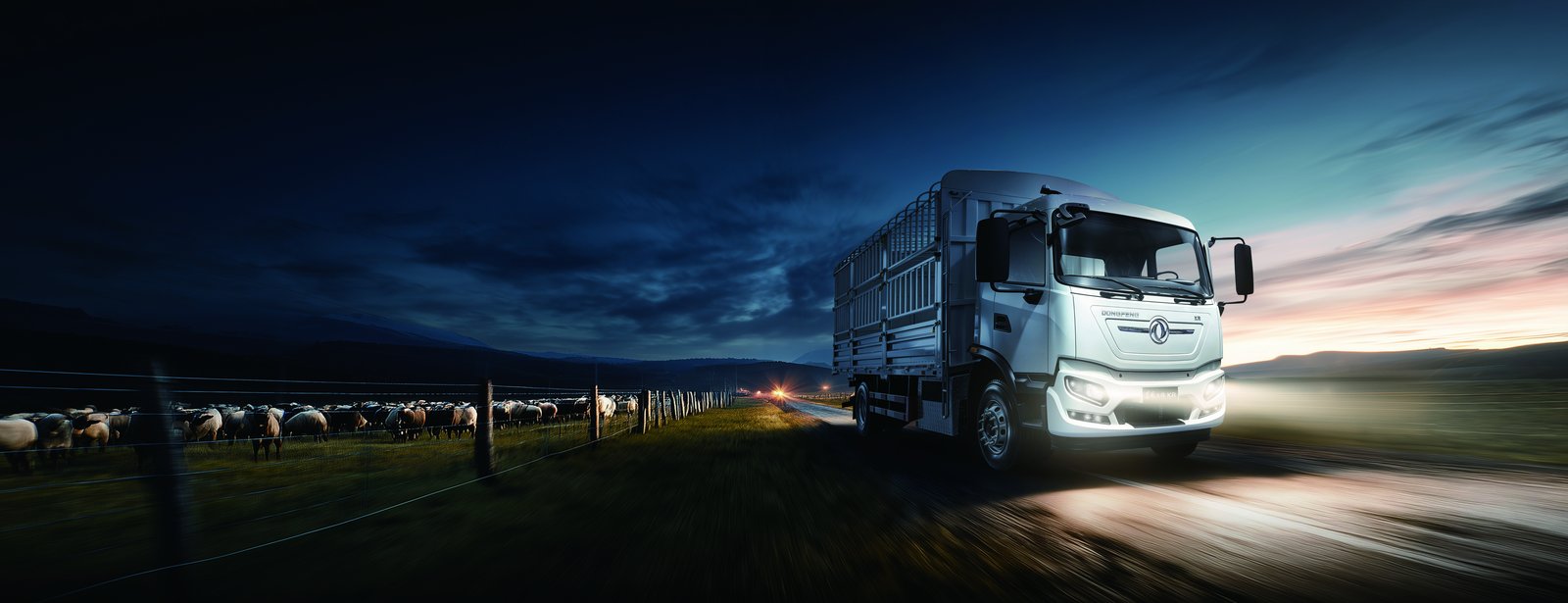
Dhaka consistently ranks among the world's most polluted megacities, and road dust is a major contributor to its hazardous PM2.5 load. Municipal authorities are under growing pressure to suppress dust on construction corridors, haul roads, and arterial streets without adding more tailpipe emissions to the air. The KT3F electric sprinkler truck is a zero-emission electric truck that answers both problems at once: it delivers the water coverage Dhaka needs while producing no local exhaust and far less noise than a diesel bowser.
An EV truck for municipal dust control is more than a symbolic upgrade. Because sprinkler duty is low-speed, stop-start, and confined to a defined city route, it is the easiest municipal function to electrify, and the savings on fuel and engine maintenance are immediate and visible to ratepayers. When a city can show quieter, cleaner streets without a diesel bowser idling at every intersection, public support for the clean-air program strengthens.
Bangladesh's dense urban fabric also means the sprinkler shares roads with pedestrians, rickshaws, and schoolchildren. A diesel water truck's exhaust plume at curb height lands exactly where people breathe, which undermines the health goal of dust suppression. The KT3F removes that contradiction by leaving no tailpipe at all, making it a credible tool for a genuine air-quality strategy rather than a cosmetic one.
The KT3F is built on a dedicated sprinkler chassis with a CATL LFP battery sized for a full shift of circulating coverage, a LvKong drive motor in the 282-350 kW class, and a tank, pump, and spray bar package optimized for fine mist as well as wash-down jets. The sealed electric powertrain shrugs off the humidity and monsoon exposure common across Bangladesh.
| Parameter | KT3F (Dhaka spec) |
|---|---|
| Battery | CATL LFP 262-338 kWh |
| Drive motor | LvKong 282 kW / 2200 Nm |
| Energy use | 0.9-1.3 kWh/km |
| Range | 250-330 km per charge |
| DC fast charge | 1.5-2 h (20-80%) |
| Warranty | 8 yr / 4500 cycles |
| FOB reference | USD 45,000-85,000 |
Because the spray system draws from the traction battery through a dedicated inverter, the KT3F needs no separate engine for the pump. That removes a second maintenance item and a second source of noise on residential streets. The driver controls spray rate, pattern, and pump speed from the cabin, so a single operator can match output to conditions without leaving the seat.
Dhaka's dense, flood-prone layout rewards a planned circulation pattern rather than reactive dispatch. We recommend dividing the city into coverage zones with a depot charger at each municipal yard.
The quiet operation of the KT3F also lets municipalities extend coverage into early-morning and late-evening windows that a noisy diesel bowser would disturb, improving air quality precisely when traffic and dust are worst. Night washing of wholesale markets, for example, can be done without waking residents, and the absence of idling exhaust keeps the working environment safer for the crew.
A practical deployment pattern is to assign each KT3F a loop of 25-40 km that returns it to the yard with enough state-of-charge for a second short loop after a top-up. Because the truck consumes little energy when merely pumping water at a standstill, the limiting factor is usually distance driven rather than water sprayed, which simplifies scheduling.
Bangladesh's climate is among the most humid on earth, and the KT3F's high-voltage system is sealed and corrosion-protected for exactly this environment. The LFP chemistry is inherently stable in high heat, and the simplified cooling circuit reduces the leak paths that plague diesel sprinklers during the monsoon. Standing water, river crossings, and flooded low points that would hydrolock a diesel intake are far less threatening to a sealed electric drivetrain with a raised, protected pack.
Municipal fleets also benefit from the reduced fire risk of LFP chemistry compared with other lithium formats, an important consideration when trucks are parked overnight in shared municipal depots. The 8-year / 4500-cycle warranty gives budget planners a clear horizon for battery replacement cost, removing a common objection to electric municipal vehicles.
Dhaka's municipalities often procure through competitive tenders with strict lifetime-cost and emission criteria. The KT3F's simple architecture and documented energy saving make it straightforward to model a whole-life cost that beats a diesel bowser once fuel, maintenance, and health-externalities are counted. We recommend tendering on cost-per-covered-kilometre rather than sticker price, which properly rewards the lower operating cost of the electric truck.
A practical concern for any Dhaka sprinkler program is where the water comes from. The KT3F's sealed, corrosion-resistant tank and pump are compatible with treated wastewater and stormwater harvested from the municipality's own settling ponds, which both lowers the cost per covered kilometre and avoids competing with potable supply during dry spells. We recommend siting the depot charger and a small storage tank together so the truck is filled and charged at the same yard, minimizing deadhead kilometres.
Because the electric pump draws from the traction battery, the truck can also operate as a mobile water source during floods, supplying fire response or sanitation crews without a separate generator. That dual-use capability is valued by disaster-prone municipalities, and it improves the asset's utilization beyond routine dust control. The telematics system logs both distance and water discharged, so a city can report coverage and volume to citizens and to air-quality regulators with hard data rather than estimates.
For procurement, the strongest tenders specify a guaranteed cost-per-covered-kilometre and a battery warranty that matches the vehicle's service life. The KT3F's 8-year / 4500-cycle pack coverage and simple single-motor architecture make that whole-life case straightforward to defend against diesel incumbents, especially once the health cost of avoided tailpipe exposure is included in the evaluation.
Municipalities do not need to electrify their entire sprinkler fleet on day one. A sensible rollout begins with two or three KT3F units covering the highest-traffic, most complaint-prone corridors, paired with a single depot charger at the central yard. After a season of telemetry, the city confirms the real cost per covered kilometre, validates the coverage map against air-quality sensor data, and then scales the fleet in step with budget approvals.
This phased approach also builds public trust. Residents see quieter, cleaner streets on the worst dust routes first, which generates support for the next tranche of funding. Because the KT3F's architecture is simple and shared across the Dongfeng municipal range, the spare-parts kit and driver training developed for the first units carry forward as the fleet grows, avoiding the redundant inventory that plagues mixed-diesel fleets.
We advise cities to write the tender around a guaranteed service level, such as percentage of ward area covered per shift, rather than a truck count. That framing rewards the electric truck's reliability and lets the supplier optimize battery size and routing to meet the outcome, which is cleaner air rather than a fixed number of vehicles parked at the depot.
Dhaka's municipalities are evaluating clean fleets as part of broader air-quality programs, and water trucks are a low-risk first step. For tender requirements, duty-cycle modeling, and import support, consult our Bangladesh electric truck market guide, and review the full KT3F electric sprinkler truck specification to match tank size and range to your ward coverage plan.
Ready to electrify your fleet? Contact Shaanxi Fenghan Trading — authorized Dongfeng EV truck exporter. WhatsApp: +86 153 1943 1311 | Email: sales@fenghan-trade.com | dongfengevtrucks.com
🌐 Our Network: Fenghan Trade (SAGMOTO/SHACMAN Truck Export) · SAGMOTO heavy duty diesel trucks