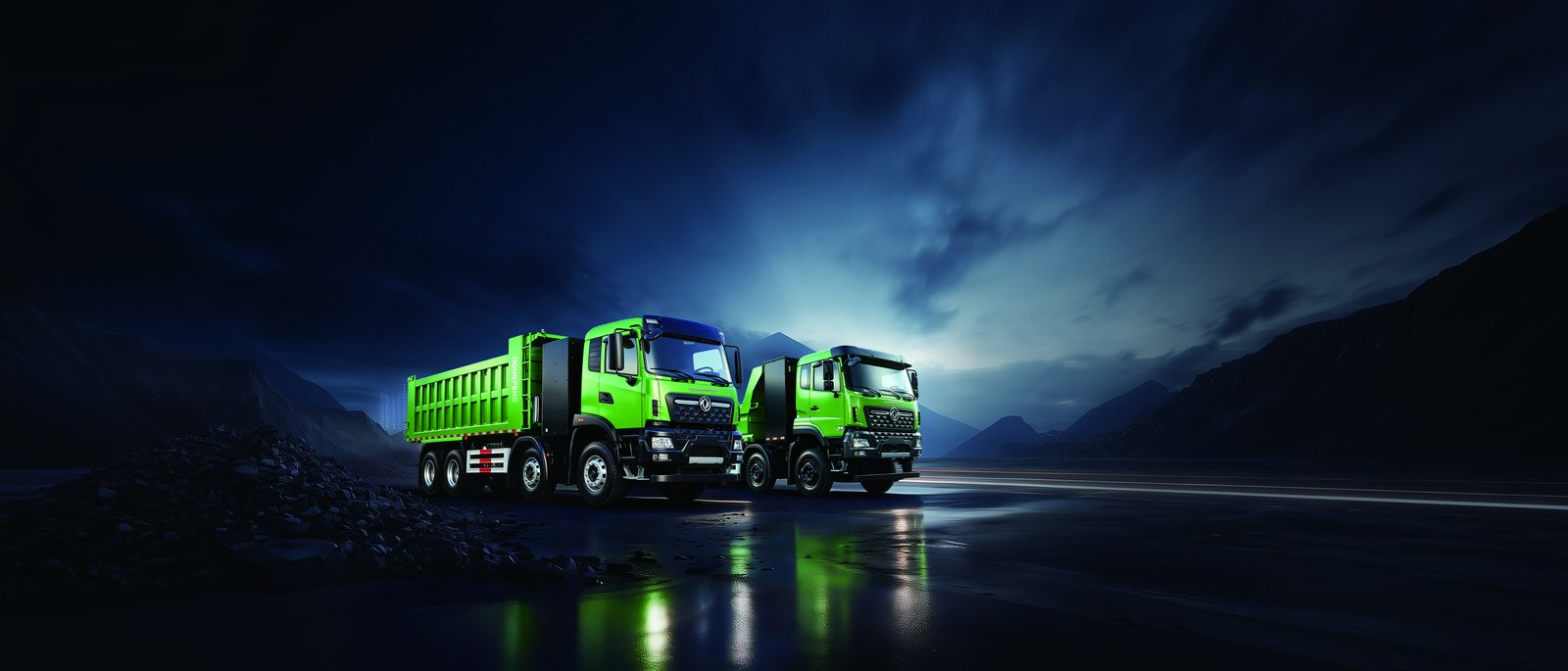
The Dongfeng KT3E electric truck is an 18 tonne GVW EV truck refuse compactor built for municipal collection, and Algerian cities from Algiers to Oran are evaluating it as a way to cut fleet emissions and noise in dense neighbourhoods. Municipal procurement is different from a private purchase: it runs through tenders, technical specifications and lifecycle costing rather than a single price comparison. This guide walks Algerian fleet managers through the tender requirements, the nightly depot charging model, the noise rules in the big cities, and the lifecycle cost versus a diesel compactor.
An Algerian municipal tender for an electric garbage truck should pin down the technical envelope so suppliers compete on like-for-like. The KT3E delivers a 262 kWh CATL LFP battery, a 240 kW LvKong motor, a 220 km range and a compactor body sized for the standard collection round. We recommend specifying the following so bids are comparable and the evaluation committee can score on evidence rather than sales language.
Writing these into the tender removes the vague "electric truck" language that lets weak bids through, and it gives the evaluation committee a scored checklist rather than a price-only decision. It also protects the municipality if a supplier later tries to substitute a smaller pack or a weaker warranty under the contract.
Municipal collection runs early, so the KT3E is charged overnight at the depot between the end of the round and the start of the next. A 262 kWh pack returning with 30 percent reserve needs about 183 kWh to full, which on an off-peak Algerian tariff is a low daily cost per truck. A depot with ten trucks needs roughly 1.8 MWh of overnight capacity, easily served by a staged bank of DC chargers and a transformer with 30 percent headroom. The 5 to 6 minute battery-swap option is attractive for fleets that cannot spare the charge window on double-shift rounds, because a swapped pack keeps the truck rolling while the depleted one charges off-peak. Depot layout matters: keep cable runs short, meter each charger separately, and stage the pack swaps so drivers are never queuing at shift start.
Both Algiers and Oran have residential noise sensitivity, and the near-silent KT3E is a direct answer to early-morning collection complaints. A diesel compactor at idle and during compaction easily exceeds 80 dB at the curb, while the electric truck's drivetrain is below 70 dB and the main noise becomes the compaction hydraulics, which can be scheduled and damped. Municipalities that specify a sub-70 dB threshold can run collection starts earlier without breaching local ordinances, which extends the productive window and reduces traffic interference in narrow medinas. The quiet operation is also a worker-safety and fatigue benefit on long urban rounds, because the cab is free of constant diesel vibration and exhaust smell.
The KT3E's higher FOB price of $55,000 to $70,000 is offset over the contract by lower energy and maintenance cost. The table below compares a 10-year municipal lifecycle for one truck on a typical Algerian city round. The comparison assumes stable diesel pricing and a standard municipal energy tariff, and it deliberately excludes the growing value of emissions incentives.
| 10-year item | Diesel compactor | KT3E EV truck |
|---|---|---|
| Purchase (landed) | $70,000 | $82,000 |
| Fuel or energy | $96,000 | $28,000 |
| Maintenance | $34,000 | $13,000 |
| Emissions penalty | Varies | Lower, incentivised |
| Total | $200,000 | $123,000 |
The electric garbage truck saves about $77,000 over ten years per unit, before any municipal emissions incentive. Spread across a city fleet of forty trucks that is $3.08 million redirected from fuel and repairs to service expansion, which is exactly the kind of number a procurement committee can defend to council. The saving also insulates the budget from diesel price volatility, which simplifies multi-year financial planning for the municipality.
Municipal buyers should start with a pilot of two to five KT3E units to validate the depot charging layout and the round range in real Algerian conditions, then scale through a framework tender. The main risks are grid connection lead time for the depot and driver familiarisation with a silent truck, both of which are manageable with early planning. Shaanxi Fenghan Trading supports pilots with a charger layout drawing, a load calculation and on-site commissioning so the first round runs clean. A pilot also builds the internal expertise the municipality needs before it commits a full fleet and signs a multi-year service plan.
Build the tender around the scored checklist above, run a small pilot, and measure energy and maintenance against your current diesel baseline before committing the full fleet. The quiet, low-emission profile of the KT3E is a political and operational win in Algiers and Oran alike.
A silent electric compactor changes the crew's habits, and a short municipal training module pays off quickly. Drivers learn to manage the 262 kWh pack so each round ends with reserve rather than a flat battery at the far end of the city, and loaders learn that the quiet truck still has a heavy compactor cycle that demands the same safety discipline as a diesel. The training also covers the night-collection noise etiquette that makes the sub-70 dB operation a community win rather than a missed opportunity. Municipalities that train before rollout report fewer first-month incidents and faster acceptance by residents who notice the quieter streets immediately, which builds political support for scaling the fleet.
Beyond the lifecycle cost table, the KT3E removes tailpipe emissions from exactly the places people breathe most: dense residential streets, school routes and market zones. Algerian cities with air-quality targets gain a measurable reduction in local NOx and particulate load per electric truck deployed, and the national carbon accounting improves as the grid greens. These co-benefits are increasingly convertible into municipal sustainability credits and favourable financing, which means the true value of the EV truck exceeds the fuel and maintenance savings on the spreadsheet. For a procurement committee, the combination of hard cost saving and visible public-health gain is what turns a pilot into a citywide standard.
The procurement case therefore rests on three legs: a defensible ten-year cost saving, a quieter and cleaner service that residents reward, and a lower-risk technology path as Algeria's energy mix shifts. A municipality that pilots the KT3E, measures the three legs against its diesel baseline, and then scales through a framework tender captures all of them without betting the whole fleet on day one of the program. This measured approach is exactly how Algerian cities can modernise sanitation without a fiscal surprise that later undermines the whole initiative.
Our electric trucks in Algeria page tracks duty and incentive changes, and the Dongfeng KT3E electric garbage truck page carries the full specification and a sample tender appendix.
Ready to electrify your fleet? Contact Shaanxi Fenghan Trading — authorized Dongfeng EV truck exporter. WhatsApp: +86 153 1943 1311 | Email: sales@fenghan-trade.com | dongfengevtrucks.com
🌐 Our Network: Fenghan Trade (SAGMOTO/SHACMAN Truck Export) · SAGMOTO cargo truck flatbed box stake