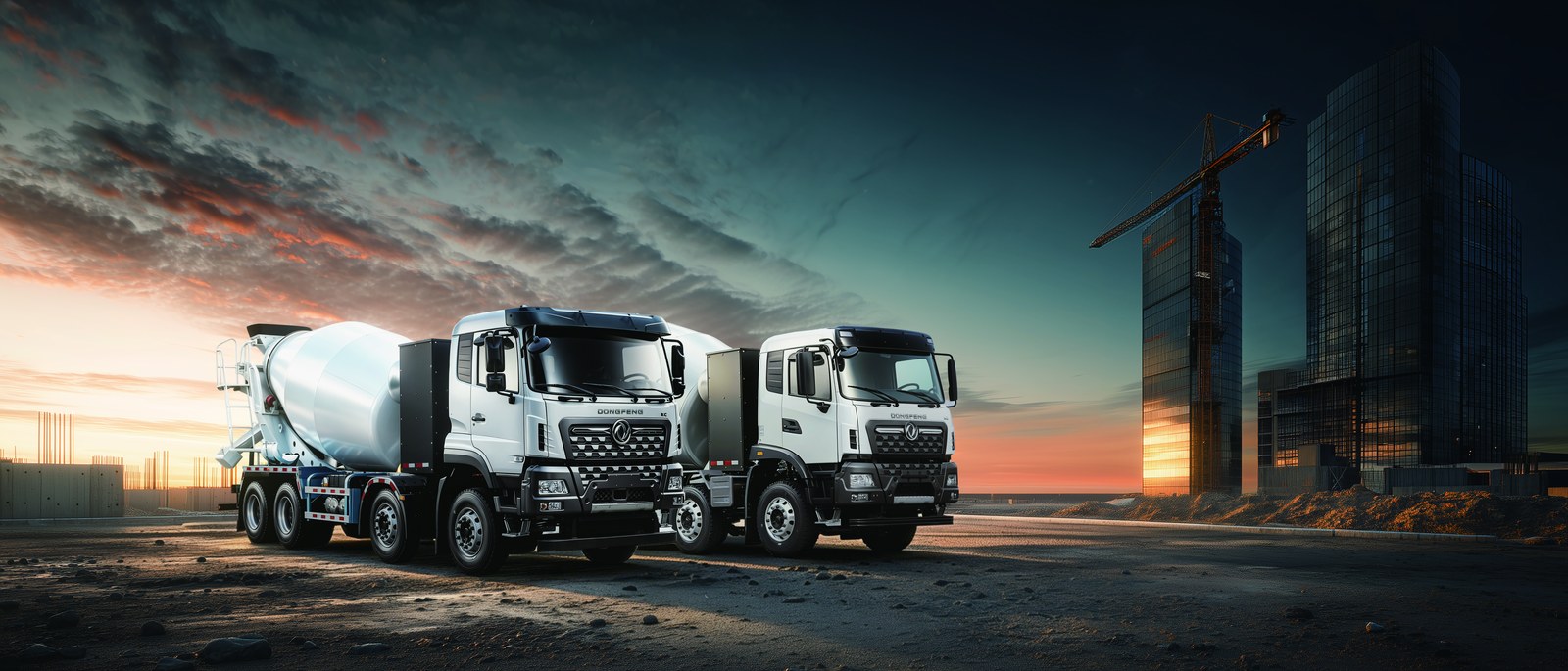
Municipal authorities in Dhaka are introducing the KT1D electric sweeper truck because an electric truck suits the slow, continuous sweep duty of dense city streets, and its zero tailpipe and quiet running are assets in neighbourhoods where air quality and noise are constant complaints.
Dhaka is one of the most densely populated cities in the world, and its streets accumulate dust and waste faster than manual crews can clear it. The KT1D's 282 kW LvKong motor gives precise low-speed control for sweeping through markets and narrow lanes, and regenerative braking recovers energy at each stop. Monsoon months add wet debris and silt, so the sweeping system must handle both dry dust and slurry without clogging.
Municipal budgets are tight, so any new vehicle must lower long-run cost, not just add capability. The KT1D's electric drivetrain removes diesel, oil and exhaust service, and its regen-heavy slow duty extends brake life, supporting a favourable total cost of ownership over a multi-year contract.
The KT1D pairs a 262 kWh CATL LFP battery with a 282 kW motor on a chassis built for kerb-side and main-road sweeping bodies. The pack powers the brooms, suction fan and water spray through a high-voltage take-off, so sweeping does not rely on a separate engine. Liquid cooling keeps the battery in its window during long shifts and fast charging. Real-world range is 200-260 km per charge, covering a full day of district sweeping.
| Parameter | KT1D Electric Sweeper |
|---|---|
| Battery capacity | 262 kWh CATL LFP (liquid-cooled) |
| Motor power | 282 kW LvKong |
| Range per charge | 200-260 km sweep duty |
| DC fast charge | 120 / 240 / 360 kW (20-80% in 45-90 min) |
| Battery swap | 5-6 min (swap-enabled units) |
| Warranty | 8 years / 4,500 cycles |
| FOB price | US$68,000 - 92,000 |
During the monsoon, Dhaka's roads carry heavy silt and standing water, and the KT1D's sealed motor and enclosed battery resist water ingress better than an open diesel installation. The sweeping system maintains suction through wet debris, and the quiet electric drivetrain allows extended early-morning and evening shifts when streets are least congested. Operators note that the absence of diesel exhaust improves visibility for the crew in already poor air.
Sweeper fleets charge at the municipal yard between the early and late shifts, using 120 or 240 kW DC units that refill the 262 kWh pack during maintenance and crew breaks. A 360 kW charger with storage serves a larger depot without straining the local feeder. Swap-enabled units swap a pack in 5-6 minutes if a truck must return to route quickly after an unscheduled load.
Bangladeshi municipalities should budget for depot charging and confirm body compatibility with local sweeping standards. Our Bangladesh electric truck market guide reviews import steps, financing options and the charging outlook for Dhaka and Chattogram. Fleets needing related hygiene vehicles can compare the KT3F electric sprinkler truck for road-washing duties.
The KT1D's chassis accepts standard kerb-side and main-road sweeping bodies, so municipalities keep familiar specs during conversion. The 282 kW motor gives precise low-speed control for sweeping markets and narrow lanes, and the sealed electric drivetrain resists the dust and water that shorten diesel service life on Dhaka's streets. The brooms, suction fan and water spray run off the main battery through a high-voltage take-off, removing the small auxiliary engine traditional sweepers use and making the truck genuinely zero tailpipe in operation.
The 262 kWh pack is warranted for 8 years or 4,500 cycles, and the liquid-cooled LFP chemistry handles Dhaka's heat and humidity when charged in shade. Sweep duty cycles shallow discharges, extending real pack life, and operators can log state-of-health to plan second-life storage at the yard. Many municipalities pair the charger with rooftop solar, turning underused depot roof into low-cost kilometres and hedging against tariff rises, a meaningful offset on tight public budgets. Resale is supported by the simple drivetrain and by rising demand for used clean street equipment.
Against a diesel sweeper the KT1D removes fuel, oil and exhaust maintenance, and its regen on stop-go sweep routes trims energy further. In dense, air-quality-stressed cities the zero-tailpipe operation is itself a public-health gain, not just a cost saving. Municipalities modelling the switch should include avoided diesel theft, lower complaint calls and the stronger tender score that clean equipment earns under environmental procurement criteria, all of which strengthen the case on tight Bangladeshi budgets.
Crews need a short course in high-voltage isolation and emergency response, but daily driving is simpler than a manual diesel thanks to single-pedal regen. Most operators reach confident productivity within days, and maintenance teams report far less scheduled labour once engine service disappears, freeing the workshop for body and broom upkeep. The quiet drivetrain also allows extended early-morning and evening shifts when streets are least congested, improving coverage without new vehicles.
Dhaka's monsoon concentrates street cleaning into narrow weather windows, and the KT1D's reliability through wet, silt-heavy conditions lets municipalities protect coverage when it matters most. Because the electric drivetrain resists water ingress better than an open diesel, the truck stays in service through heavy rain that would sideline older sweepers, and its quiet running allows extended early-morning and evening shifts when streets are least congested. Planners can schedule the KT1D for the densest, most flood-prone corridors and reserve manual crews for minor lanes.
The sealed battery and motor also mean faster wash-down and less corrosion-related downtime after flood exposure, keeping the sweeper available through the whole rainy season rather than spending weeks in the workshop. That availability directly improves the tonnage of debris cleared per month, the metric municipal budgets actually track. Councils under budget pressure particularly value that the electric sweeper converts a recurring fuel and maintenance line into a predictable per-km energy cost they can plan around.
The KT1D's 262 kWh pack is warranted for 8 years or 4,500 cycles, and at end of vehicle life it retains value as stationary storage for a depot or a Bangladeshi solar installer. Operators can log state-of-health to prove remaining capacity, supporting a stronger resale than a diesel whose value collapses with engine wear. The simple drivetrain means a used KT1D appeals to smaller municipalities and contractors, widening the buyer pool when a city upgrades its cleaning fleet.
Municipalities evaluating the KT1D should confirm depot charging of at least 120 kW, body compatibility with local sweeping standards, and a shift plan that uses the quiet drivetrain for early and late windows. With those in place the 262 kWh pack and 8-year warranty make the electric sweeper a sound public-health investment that lowers both cost and complaint calls across Dhaka's dense, monsoon-prone streets.
For Dhaka's municipal cleaners, the KT1D electric sweeper truck turns slow, repetitive sweep duty into a clean, quiet and lower-cost operation, even through the monsoon. With an 8-year battery warranty and CATL LFP chemistry, it is a sound public-health investment. Plan the rollout with our Bangladesh electric truck market guide.
Ready to electrify your fleet? Contact Shaanxi Fenghan Trading — authorized Dongfeng EV truck exporter. WhatsApp: +86 153 1943 1311 | Email: sales@fenghan-trade.com | dongfengevtrucks.com
🌐 Our Network: Fenghan Trade (SAGMOTO/SHACMAN Truck Export) · SAGMOTO heavy duty diesel trucks