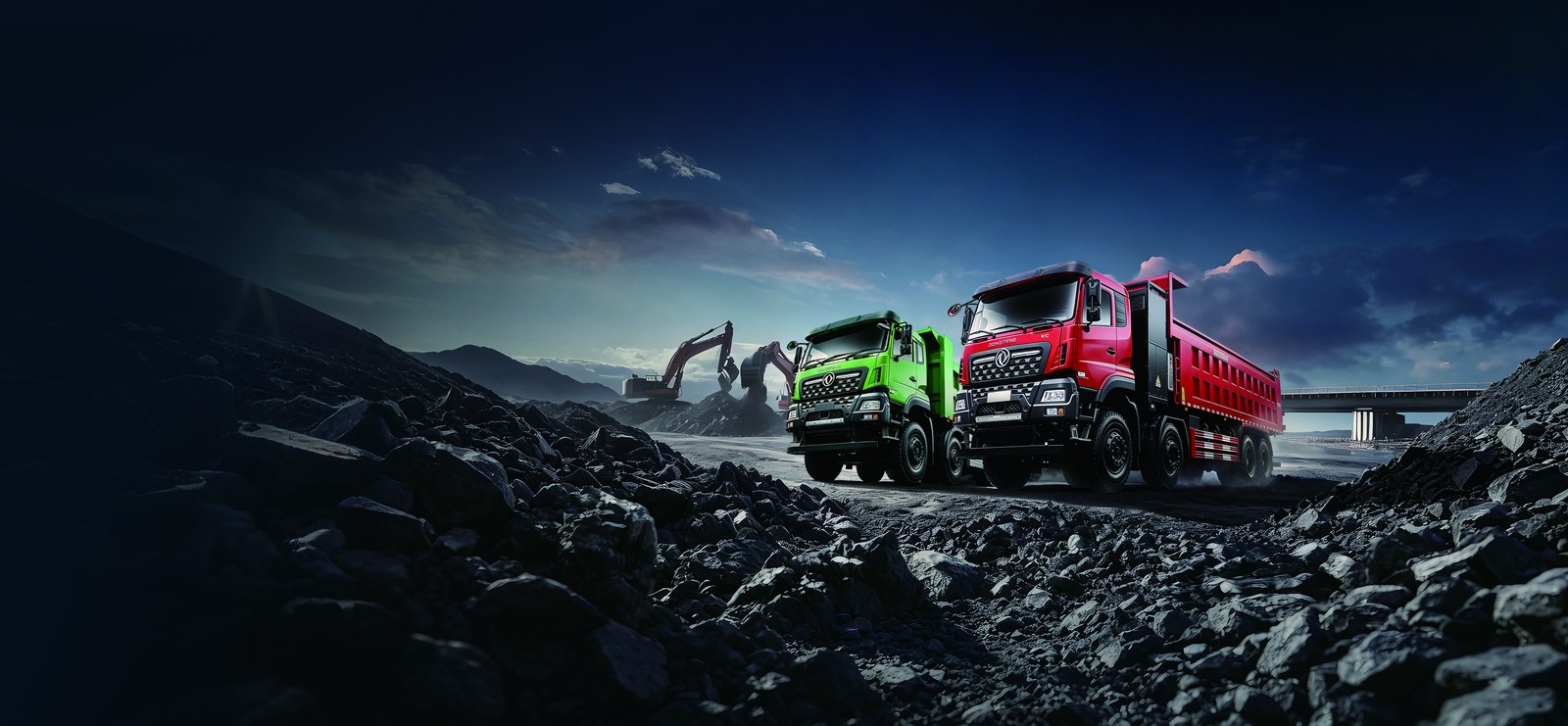
City noise curfews block diesel trucks from night delivery, but an electric truck is quiet enough to slip through the quiet hours. With an operating level below 70 dB, a Dongfeng EV cargo truck can serve supermarkets and parcel hubs at 02:00 while residents sleep. This guide explains the noise rules, the quiet-scheme permits, and how the KT5L electric cargo truck fits the South Africa electric truck market where night slots are gold.
Most city centres set a night noise limit of 60 to 75 dB at the property line between 22:00 and 06:00. A diesel truck at idle and reverse beep measures 80 to 90 dB, so it breaches the limit and attracts fines or a delivery ban. An electric truck has no engine clatter; the KT5L electric cargo truck with its 282 kWh pack runs at about 60 to 68 dB, below the threshold, which lets it legally deliver in the quiet window. For the South Africa electric truck market, where Johannesburg and Cape Town both restrict night freight, this access is a competitive edge. A diesel fleet locked out of the night must fight daytime congestion, while the EV fleet owns the empty roads.
The sound an EV truck makes at night comes mostly from tyres, wind and the warning beeper, not the motor. The table compares typical levels.
| Source | Level at 7 m | Curfew compliant |
|---|---|---|
| EV truck cruising 30 km/h | 60 to 65 dB | Yes |
| EV truck reversing | 68 to 72 dB | Borderline |
| Diesel truck idling | 82 to 88 dB | No |
| Diesel truck reversing | 88 to 95 dB | No |
By fitting a low-volume white-noise reversing alert and soft tyres, the KT5L electric cargo truck stays under 70 dB even in reverse, which satisfies most municipal quiet schemes without a special exemption. The motor itself is inaudible beyond 10 m at night, so the only sound residents might hear is a faint tyre hum, well within the ambient of a sleeping city street.
Many cities run a quiet delivery program that grants night access to certified low-noise vehicles. The steps below are typical for a retail fleet applying for the permit.
Shaanxi Fenghan Trading Co., Ltd supplies the factory noise declaration for the KT5L electric cargo truck so the South Africa electric truck market buyer can file the permit with proof rather than a guess. The declaration lists the 60 to 68 dB cruising figure measured at the plant, which most municipalities accept as the baseline for the permit without a separate road test.
A supermarket chain running 10 KT5L electric cargo trucks on night replenishment cut daytime congestion and lifted on-shelf availability. The 282 kWh pack and 18t GVW handle urban cases; a 45 to 90 minute charge at the depot between shifts keeps them ready. The fleet reported 30 percent lower delivery cost per drop from avoided overtime loading and no diesel, plus zero noise complaints across a 6-month trial. At FOB $58,000 to $72,000, the KT5L electric cargo truck paid back the permit cost within the first year of night slots. Shelf availability rose because deliveries landed before the 07:00 store open, eliminating the morning stock rush that plagued the diesel schedule.
Night delivery pairs with off-peak electricity at $0.05 to $0.18 per kWh. The KT5L electric cargo truck charges 20 to 80 percent in 45 to 90 minutes on a 350 kW DC unit, so a 30-minute top-up between loops adds meaningful range. Design two shifts: load at 22:00, deliver 23:00 to 03:00, charge while the second truck runs, swap at 03:00, finish by 06:00 before the curfew lifts and diesel traffic returns. The 8-year or 4,500-cycle CATL LFP pack absorbs this daily cycling with margin. A single 282 kWh pack supports two full night shifts on typical 120 km urban routes before the mid-shift charge is even needed.
The business case rests on access, not just energy. A night permit lets one KT5L electric cargo truck do the work of 1.4 diesel trucks by using otherwise idle road and dock time, while the $0.05 to $0.18 per kWh rate cuts fuel cost to a fraction of diesel at $0.9 to $1.4 per liter equivalent. The permit itself costs a few hundred dollars per year and the low-volume alert is a one-time $150 fitting. For the South Africa electric truck market, where urban land and labour are expensive, the quiet EV truck turns the curfew from a barrier into an advantage. Shaanxi Fenghan Trading Co., Ltd bundles the noise declaration and a shift-design worksheet with every KT5L order so the buyer can file the permit the week the truck arrives.
Night delivery only works if the neighborhood accepts it, and the quiet EV truck earns that acceptance. A fleet running the KT5L electric cargo truck at 60 to 68 dB can share the measured noise report with resident groups and the municipal council as proof of compliance, turning a potential complaint into a permit renewal. In the South Africa electric truck market, where load-shedding already makes night operations familiar, the silent truck is often welcomed because it removes the diesel rattle that kept residents awake. Pair the low noise with trained drivers who avoid loud reversing and keep engines off, and the curfew access becomes a stable, year-after-year right rather than a contested exception that expires at the next review.
The permit also improves driver safety, since empty night roads cut accident risk versus daytime congestion, and the quiet cabin reduces fatigue on the 03:00 swap. Municipalities that track complaint data see the EV truck as a model citizen of the quiet scheme, which speeds approval for expanded windows or additional routes. For the South Africa electric truck market, this community goodwill is a strategic asset that diesel competitors cannot buy, because no amount of tuning makes a combustion engine as silent as the KT5L electric cargo truck at the property line during the 02:00 delivery.
Once the first KT5L electric cargo truck proves the night slot, scaling is straightforward because the permit covers the vehicle class, not just one unit. Add trucks in pairs so a charged truck always covers while the other tops up during the 23:00 to 05:00 window, and the 282 kWh pack supports two urban shifts on typical 120 km routes. The FOB $58,000 to $72,000 price makes the second and third units easy to justify against the 30 percent lower cost per drop already measured. Shaanxi Fenghan Trading Co., Ltd can phase deliveries so the fleet grows with demand, and the shared depot charger at $0.05 to $0.18 per kWh scales linearly with truck count. A 10-truck night fleet typically recovers its infrastructure spend within the first year of curfew access.
Plan the charger capacity before the fleet doubles. Ten KT5L electric cargo trucks drawing 350 kW each during the off-peak window need roughly 3.5 MW of supply, so a staged build of the depot avoids a costly rush upgrade. Start with two 350 kW DC units for the first four trucks, then add capacity as the night fleet grows, and the electricity cost stays at the low off-peak rate rather than spilling into expensive daytime peaks that erase the quiet scheme saving.
Ready to electrify your fleet? Contact Shaanxi Fenghan Trading — authorized Dongfeng EV truck exporter. WhatsApp: +86 153 1943 1311 | Email: sales@fenghan-trade.com | dongfengevtrucks.com
🌐 Our Network: Fenghan Trade (SAGMOTO/SHACMAN Truck Export) · SAGMOTO cargo truck flatbed box stake