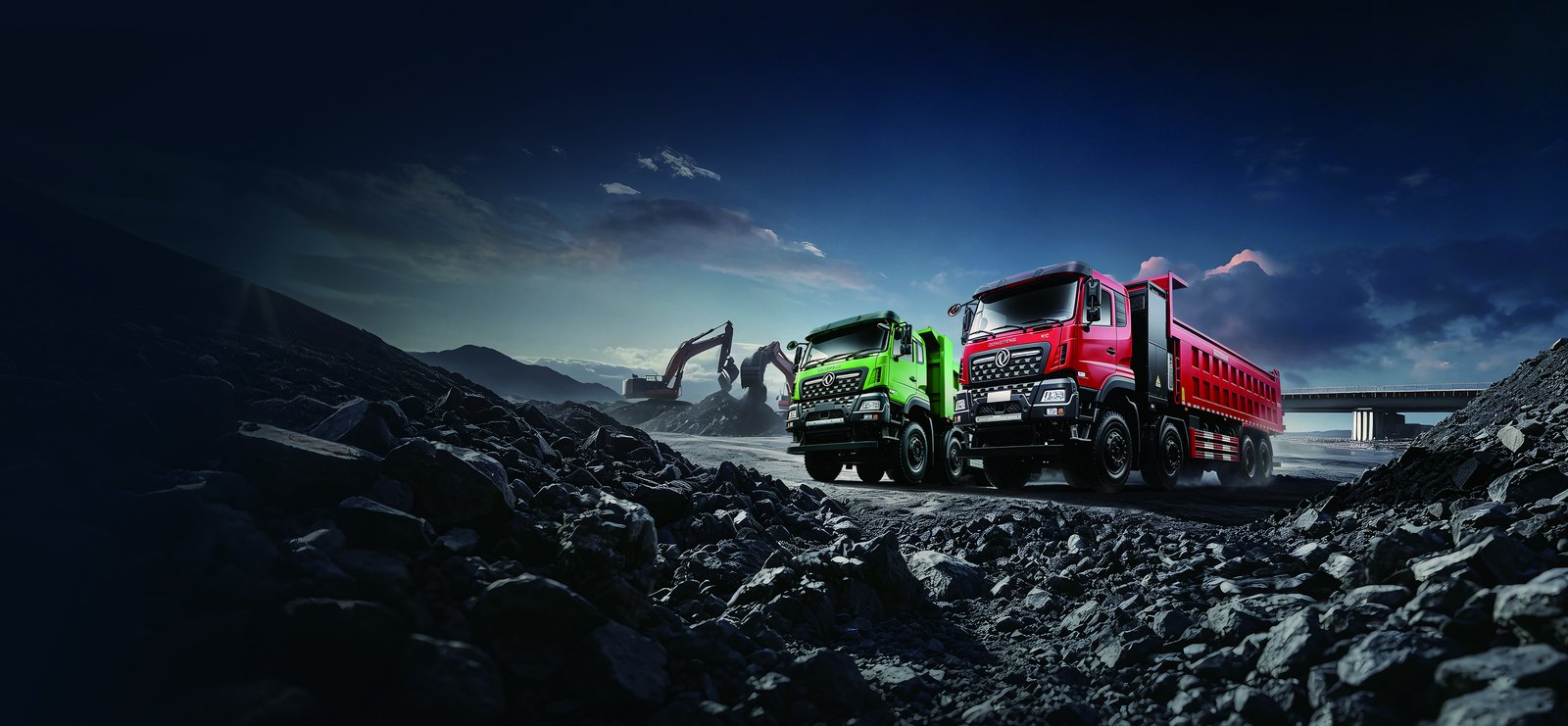
An electric truck buyer exporting from China faces a customs step that diesel buyers never planned for: the HS code that worked for a fossil-fuel goods vehicle may not capture the EV-specific subheading your port now requires. Getting the classification right on a Dongfeng KT5L electric cargo truck protects you from duty re-assessment and clearance delays.
Pure electric goods vehicles generally classify under HS chapter 8704, the heading for motor vehicles for the transport of goods. Within that chapter many customs authorities use 8704.90 for other goods vehicles, while an increasing number have introduced EV-specific or energy-type subheadings that separate battery-electric trucks from diesel. The exact national subheading varies, so the first task for any importer is to confirm the EV line item with the destination customs authority rather than assuming the diesel code applies.
The HS code is only the start. Many ports also require a national taric or tariff line that names the energy source, and that line is what triggers an incentive or a surcharge. A 28-tonne electric cargo truck and a 28-tonne diesel cargo truck may sit in the same 8704 family but fall into different national lines, and the difference can be tens of thousands of dollars across a twenty-unit order.
Several governments use tariff policy to push fleet decarbonisation, which means the duty and sometimes the VAT treatment on an electric truck can be lower than on a comparable diesel. Other markets apply the same rate but add a separate incentive or exemption that only triggers on the correct EV subheading. Missing that subheading can cost a fleet tens of thousands of dollars across a multi-unit order, because the incentive is claimed at entry, not later.
A second difference is the battery itself. Some jurisdictions treat the traction battery as part of the vehicle and others question whether it should be declared separately. The clean approach, and the one Dongfeng supports with its build sheet, is to declare the battery and motor as integral to the vehicle so the whole unit clears under one EV line. Splitting the battery into a second shipment invites a valuation dispute that can hold the truck at the dock for weeks.
Prepare the following paperwork before the vessel sails, because customs will want evidence that the vehicle is genuinely electric:
The table below shows indicative duty treatments. Rates change, so treat these as planning figures and confirm with a licensed broker before you commit to a shipment.
| Market | Base HS | Indicative goods-vehicle duty | EV note |
|---|---|---|---|
| Pakistan | 8704 | 10 to 25 pct by capacity | EV-specific relief often applies |
| Bangladesh | 8704 | Up to 25 pct | Supplementary duty may differ for EV |
| Philippines | 8704 | 5 to 15 pct | EV import incentives under green policy |
| Thailand | 8704 | 20 pct standard | Reduced rates for promoted EV models |
| Jordan | 8704 | Variable by weight | Special economic zone relief possible |
The KT5L electric cargo truck is the long-wheelbase cargo variant with a 282 kWh CATL LFP pack, liquid cooling and a 282 to 510 kW LvKong motor. On a 2026 FOB basis the unit lands at roughly $68k to $85k for the KT5M sibling and a comparable figure for the KT5L, and the customs value should reflect the battery and motor as integral to the vehicle, not as separate declared items. The Pakistan electric truck market in particular rewards clean classification because local assembly incentives hinge on proof of electric drivetrain.
Because the KT5L is a long-wheelbase truck, its gross vehicle weight typically places it in a higher capacity band than the KT5J, and that band can change the duty percentage at the border. The exporter should state the kerb weight, gross weight and payload on the datasheet so the broker selects the right line the first time. A mismatch between the declared weight and the physical plate is the single most common reason a clean EV shipment gets pulled for inspection.
Avoid these errors that trigger re-assessment:
Shaanxi Fenghan Trading Co., Ltd prepares the export declaration and the technical datasheet that names the 210 to 600 kWh pack range and confirms the LvKong motor. Ask for the HS code the team recommends for your specific port, then have a local broker validate it. A thirty-minute classification review before sailing is cheaper than a two-week hold at the dock, and it protects the delivery dates your own customers are counting on.
Keep a digital copy of the cleared entry for every unit, because some markets require the original classification to be reproduced at the time of registration and at any later resale. A consistent paper trail also makes it easier to claim a future incentive if the port introduces one after your fleet has already landed.
When the assessment arrives, do not just check the total duty, read the line items line by line. Confirm the HS code matches the EV subheading you expected, confirm the declared value equals your commercial invoice, and confirm the battery is listed as integral to the vehicle rather than as a separate goods item. A clean assessment shows one line for the truck with the correct EV code and no standalone battery or charger entry. If you see a diesel code or a split battery line, stop and query it before you pay, because correcting it after release is slower and may attract a penalty that the exporter cannot absorb.
Also check the weight band. The KT5L long-wheelbase cargo truck sits in a higher gross-vehicle-weight band than the KT5J, and that band can move the duty percentage at the border even when the HS chapter is the same. The assessment should state the declared kerb weight, gross weight and payload, and those numbers should match the plate on the truck. A mismatch is the most common reason a clean EV shipment gets pulled for a physical inspection, which costs you dwell time you cannot recover.
Before the vessel sails, run this short checklist with a licensed broker in the destination market so there are no surprises on arrival:
A broker who has cleared Dongfeng or similar battery-electric trucks before will already know the correct line, which removes most of the risk. The cost of that conversation is an hour of fees; the cost of a misclassified container is a week at the dock, a recalculated duty bill and a missed delivery promise to your own customer. Treat classification as engineering, not paperwork, and the whole import runs on schedule.
Finally, keep the assessment with the vehicle file forever. Some markets require the original classification to be reproduced at registration, and a buyer will ask for proof the truck was imported correctly as an EV when you eventually resell it. A consistent paper trail also helps if the port later introduces an incentive you can claim retroactively, because you will need the original EV line to qualify.
Contact the export desk on WhatsApp +86 153 1943 1311 or sales@fenghan-trade.com for a classification-ready quote on the KT5L or any model in the Dongfeng EV truck range.
Ready to electrify your fleet? Contact Shaanxi Fenghan Trading — authorized Dongfeng EV truck exporter. WhatsApp: +86 153 1943 1311 | Email: sales@fenghan-trade.com | dongfengevtrucks.com
🌐 Our Network: Fenghan Trade (SAGMOTO/SHACMAN Truck Export) · SAGMOTO heavy duty diesel trucks