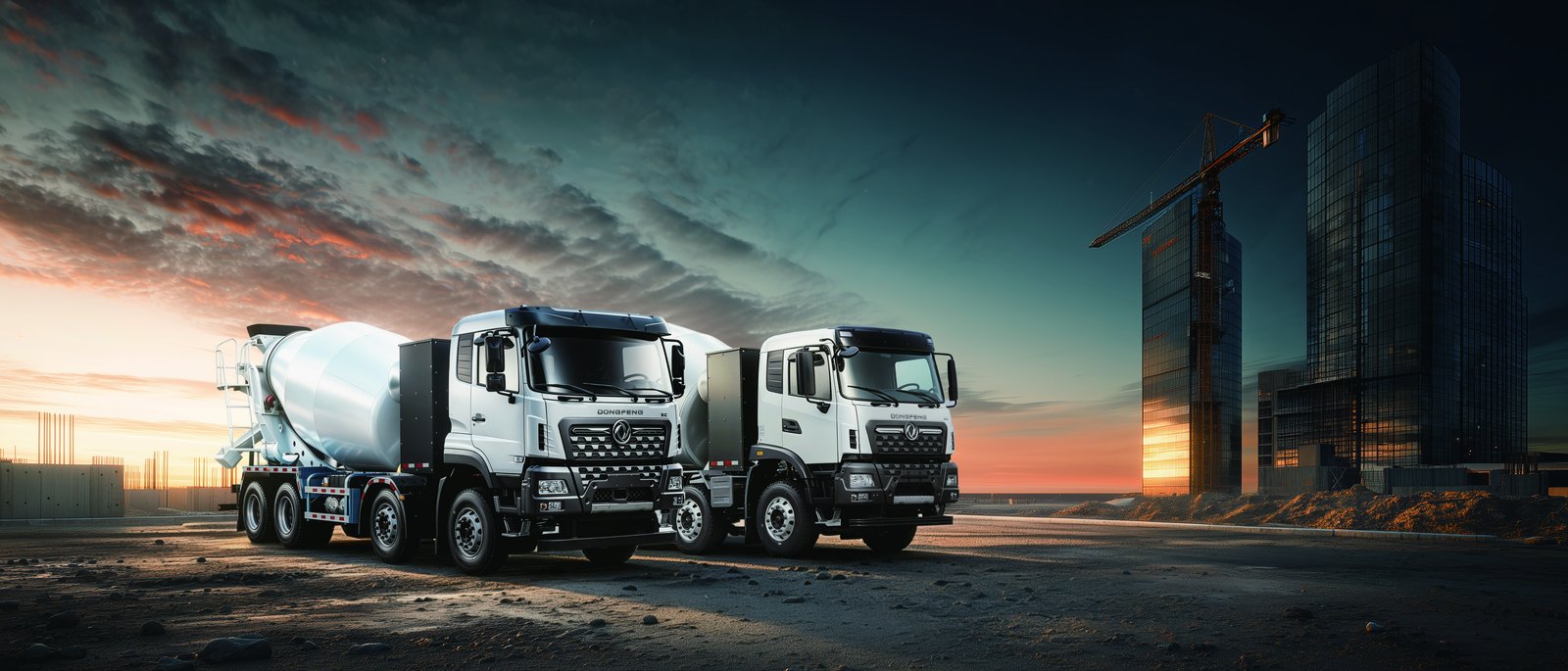
For a growing number of fleet operators, the single biggest obstacle to running an electric truck profitably is not the battery chemistry or the charging hardware but the human being behind the wheel. Driver turnover in commercial road transport routinely runs between 40 percent and 90 percent per year in mature markets, and every empty seat costs a fleet real money in recruitment, training and lost delivery capacity. The operators who are winning the recruitment battle in 2026 have found an unexpected edge: the electric truck itself is a stronger hiring and retention tool than any sign-on bonus. A quiet cab, smooth clutch-free driving and dependable cabin comfort are changing how drivers choose their employers, and forward-looking fleets are leaning into that advantage deliberately.
Replacing a single long-haul or regional driver typically costs between 50 percent and 150 percent of that driver's annual wage once you include advertising, agency fees, onboarding, lost productivity during the ramp-up period and the downstream effect on customer service levels. For a fleet running 50 vehicles, a 50 percent annual turnover rate can mean 25 rehires a year, each carrying a four- to six-figure cost. The math is brutal, and it is getting worse as the driver pool shrinks and average driver age climbs across every major export region we serve.
The root causes of churn are well documented and stubborn: excessive noise and vibration, constant shifting fatigue in manual transmissions, poor rest conditions, and cabins that bake in summer or freeze in winter. These are exactly the pain points an EV truck removes on day one, which is why comfort is no longer a soft benefit but a hard financial lever for the operations manager who owns the retention number.
The differences a driver feels are immediate and physical. Remove the diesel engine and you remove the dominant source of cabin noise and floor vibration. Remove the manual gearbox and you remove the constant left-leg and right-arm fatigue of stop-start urban delivery. Add a well sealed, well insulated cab and a high capacity HVAC system and you get a workspace a driver is willing to sit in for ten hours without counting the minutes until the shift ends.
The TE8L electric tractor is a strong example of how Dongfeng packages retention-friendly comfort into a working truck. It pairs a 400 kWh CATL LFP pack with a LvKong permanent magnet motor in the 282-510 kW band and a single-ratio reduction that eliminates shifting entirely, while liquid cooling keeps the pack in its 25-35 C operating window for consistent performance across the shift.
| Parameter | TE8L Electric Tractor | Comparable Diesel Tractor |
|---|---|---|
| Battery / Fuel | 400 kWh CATL LFP, 8 yr / 4,500 cycles | Diesel tank, no cycle warranty |
| Motor power | 282-510 kW LvKong PM | ~300-350 kW diesel |
| Transmission | Single-ratio, no clutch | 12-16 speed manual / AMT |
| Sustained cab noise | 60-68 dB(A) | 78-85 dB(A) |
| HVAC at idle | Full electric, pack powered | Engine dependent |
| Typical duty range | 200-350 km | ~1,000 km per fill |
| DC fast charge | 20-80 pct in ~60-90 min | N/A |
| FOB price band | $95k-$125k | $80k-$110k |
Fleets that recruit on the back of their electric truck fleet report shorter time-to-hire and a deeper applicant pool. The message is simple and credible: drive the quietest, easiest truck on the road. Operators in export markets such as the Kenya electric truck market are using the same angle to attract younger drivers who will simply not tolerate old, noisy equipment, and they are filling seats faster than competitors still running legacy diesels on the same lanes.
Practical recruitment steps that pair well with the EV truck advantage include putting the electric truck at the top of the job advert rather than burying it in the specifications, offering a paid cab familiarization drive before hire so candidates feel the difference firsthand, publishing real driver testimonials about noise and comfort, and guaranteeing assigned trucks so drivers build a relationship with one vehicle over time instead of rotating through worn units.
Buying the truck is only half the work. Retention compounds when the comfort advantage is wrapped in a program drivers trust. Build a clear maintenance schedule so the HVAC and seats never degrade, train dispatchers to respect rest rules, and give drivers a voice in route and charge planning. A driver who feels heard, comfortable and respected stays longer, and that stability flows straight to your on-time delivery numbers and to a cleaner insurance profile over the contract term.
Many of our export customers pair the electric truck with a modest retention bonus tied to safe, efficient driving, which we cover in a separate guide on incentive pay schemes. The comfort of the cab does the heavy lifting; the bonus simply seals the deal and rewards the exact behavior you want repeated across the fleet without micromanagement from the office.
Comfort features cost little relative to the turnover they prevent. A $3,000-$6,000 per-truck investment in premium seating, insulation and HVAC capability is recovered the moment you avoid even one rehire. Spread across the eight-year battery warranty window, the per-year cost is negligible next to a single lost driver, and the recruitment speed advantage keeps revenue trucks rolling instead of sitting empty while you hunt for labor in a tight market.
A practical way to justify the comfort specification is to model it directly against your current turnover cost. Take your annual driver departures, multiply by your average rehire cost, and apply a conservative retention lift of 10-20 percent that you can reasonably attribute to the electric truck and its quiet cab. Even on a 20-truck fleet this figure usually exceeds the price of the comfort option within the first two years, and it compounds as driver tenure lengthens and onboarding spend falls. The 8-year or 4,500-cycle battery warranty gives you a long window to capture that saving, and because cabin comfort does not erode the way a tired diesel's does, the benefit is durable rather than a one-time novelty that fades after the first month behind the wheel. Treat retention as a line item, and the electric truck starts to look like the cheapest recruiter you will ever hire for the fleet.
Comfort alone is not a program; training closes the loop and protects the investment. New EV truck drivers should be coached on the single-ratio drivetrain so they stop hunting for a gear that is no longer there, on smooth accelerator use that exploits instant torque without jerking the load, and on using the silent cabin for proper rest rather than fighting engine noise. Supervisors who walk the yard and simply ask drivers how the ride feels build the feedback loop that turns a good truck into a retained workforce. Pair this with the recruitment and incentive material we publish across the Dongfeng range, and the electric truck becomes the centerpiece of a people strategy instead of a solitary procurement line on the capital plan. Drivers stay when the job respects them, and the cab is where that respect is felt first.
Dongfeng EV trucks give overseas fleet buyers a recruitment and retention advantage that pays back before the first battery cycle ends. Shaanxi Fenghan Trading Co., Ltd supplies the full range with export documentation, spare parts planning and after-sales support tailored to distant markets. Reach us on WhatsApp +86 153 1943 1311 or email sales@fenghan-trade.com for FOB pricing, lead times and a model recommendation matched to your duty cycle and driver profile.
Ready to electrify your fleet? Contact Shaanxi Fenghan Trading — authorized Dongfeng EV truck exporter. WhatsApp: +86 153 1943 1311 | Email: sales@fenghan-trade.com | dongfengevtrucks.com
🌐 Our Network: Fenghan Trade (SAGMOTO/SHACMAN Truck Export) · SAGMOTO heavy duty diesel trucks