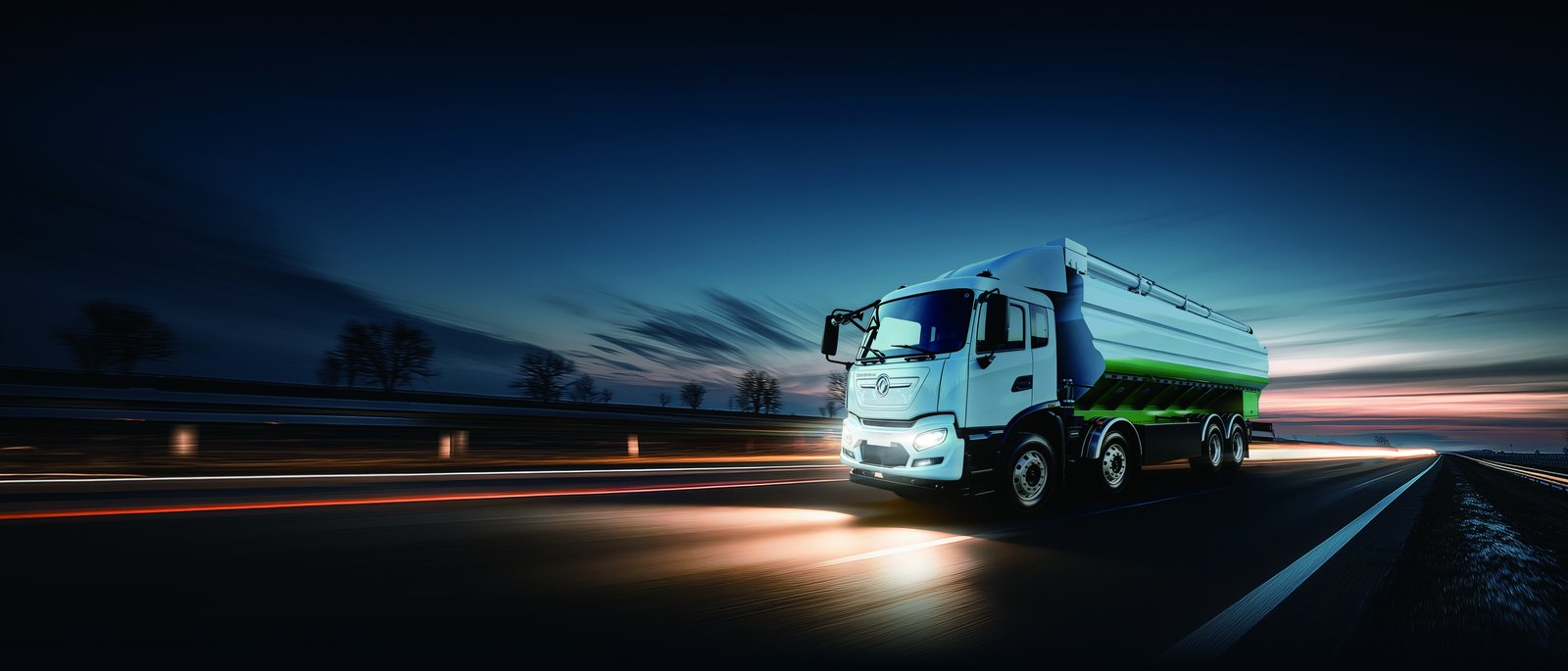
A diesel truck with a diesel refrigeration unit was never really one vehicle — it was two engines burning the same fuel for different jobs. An EV truck with an electric reefer body finally makes the cold chain one machine: one energy source, one drivetrain, one zero at the tailpipe. For the exporters and distributors who dominate our customer base — flower and vegetable shippers, fisheries, pharmaceutical distributors, dairy processors — that integration is not cosmetic. It cuts a second fuel line out of the cost sheet, silences the compressor that wakes neighbourhoods during night deliveries, and completes the emissions story that European retail buyers increasingly audit. This article covers how electric reefer units work on platforms like the KT5L electric cargo truck, what they draw from the pack, and what fleet results look like — with country context from Morocco's agri-export economy.
Traditional truck refrigeration runs a diesel compressor under the body, running whenever the cab engine can't (and idling it when it must). Electric standby replaces the whole ritual. On a Dongfeng EV chassis, the refrigeration unit draws from the truck's high-voltage system via a dedicated DC-DC feed, with an additional low-voltage battery buffer for door-opening transients. Consequences worth noting: cooling continues while the truck is parked and switched off (no diesel stand-by unit, no idling); the compressor modulates inverter-style rather than cycling, which holds set-point within a tighter band; and door-open recovery is faster because the unit can surge on grid power at the dock. Payloads are comparable to diesel-reefer equivalents — the e-unit's weight is offset by removing the diesel unit and its fuel tank.
Fleet planners need one number above all: how many kilometres of range the reefer eats. The answer depends on ambient temperature, set-point, door frequency, and body insulation quality. Our planning figures for a well-insulated body:
| Condition | Reefer draw (avg over shift) | Range impact on KT5L-class platform |
|---|---|---|
| Chilled (+2°C), 30°C ambient, moderate door opens | 1.5–2.5 kW | −10–15% |
| Chilled, 40°C ambient (Gulf/Sahel summer) | 3–4 kW | −18–25% |
| Frozen (−18°C), 30°C ambient | 3–5 kW | −20–30% |
| Night operation, 20°C ambient, chilled | 0.8–1.5 kW | −5–10% |
Two practical conclusions. First, spec the pack for the worst month, not the average month: a KT5L whose 200 km range covers the route in January may need a mid-shift top-up in July, and knowing that at purchase time is the difference between a plan and a surprise. Second, insulation is the cheapest battery you can buy — upgrading body insulation thickness and door seals typically costs a few hundred dollars and returns 5–10% of range permanently. Pre-cooling the body at the depot on shore power before loading costs the operation nothing and saves pack energy all day.
The fleet results we see follow a consistent pattern. Temperature compliance improves — not because electric units never fail, but because their modulation and continuous monitoring produce tighter bands and better records than cycling diesel units; one pharma distributor's rejection rate fell by more than half after conversion, worth more than the energy savings. Maintenance falls — a diesel reefer unit is a second engine with its own service schedule, filters, and winter starting dramas; its electric replacement has a compressor, fans, and a controller. Noise complaints disappear, which in several cities has unlocked night-delivery permits that were previously refused. And the audit story writes itself: one energy meter, one emission factor, one clean paragraph in the customer's scope-3 report instead of an estimate for a diesel compressor's fuel burn.
The buying checklist is short. Match the unit's cooling capacity (in kW at your ambient and set-point) to your worst-case month, not the salesman's standard rating condition. Insist on the unit's actual average draw at those conditions — in writing — and subtract its range impact before signing the route plan. Check multi-temperature capability if you run mixed chilled/frozen loads; several unit families offer movable partitions. Confirm the DC-DC feed's rating and that door-open events on your stop pattern won't overwhelm the low-voltage buffer. And order the telematics integration — cabin temperature, unit status, and door events on the same dashboard as the drivetrain data — because a cold chain you can see is a cold chain you can sell. We configure e-reefer KT5L and KT5M fleets with these parameters as standard, including worst-month energy models built on the customer's route and load profile.
The energy table in this article assumes good practice, and good practice on e-reefer fleets is a short, learnable discipline. It starts with pre-cooling: the body and the cargo both reach set-point before loading, on shore power at the depot, because loading warm product into a cold box spends pack energy all morning pulling it down — the single largest avoidable draw in poorly run cold chains. The discipline continues with the door-opening budget: every door event admits warm, humid air that the unit must remove; fleets that stage deliveries (all stops in sequence, doors open once, load staged at the door before opening) cut door-open minutes by half versus improvised multi-drop, and the reefer's consumption follows the doors, not the kilometres. The discipline ends with the dock: charging while loaded and plugged, so the unit runs on grid power during the night hold rather than the pack, and the truck departs at 100% with the cargo already at temperature.
The telematics layer makes the discipline visible and, crucially for pharma and export customers, auditable. Cabin temperature, unit status, and door events stream alongside the drivetrain data, which means the cold-chain record — the document that decides disputes, validates GDP compliance, and settles insurance claims — writes itself. In tender language: the temperature record is continuous, time-stamped, and tamper-evident; in fleet language: when a receiver claims a warm delivery, the graph answers in one glance. E-reefer operators report that this evidentiary quality, not the energy savings, is what wins them the pharma and premium-export contracts — the cold chain that can prove itself commands the freight rates of one that cannot.
The last discipline item is the worst-month review. Each summer or hot-season, re-run the route plan against the measured hot-weather draw; each year, check body insulation and door seals against the commissioning standard — a seal set that has compressed by a few millimetres costs 5–10% of range invisibly, and a gasket replacement costs less than a month of its inefficiency. The e-reefer fleet that keeps its discipline runs the numbers in the table above for its whole life; the one that lets the discipline slide relearns them at the worst moment of the year.
Ready to electrify your fleet? Contact Shaanxi Fenghan Trading — authorized Dongfeng EV truck exporter. WhatsApp: +86 153 1943 1311 | Email: sales@fenghan-trade.com | dongfengevtrucks.com
🌐 Our Network: Fenghan Trade (SAGMOTO/SHACMAN Truck Export) · SAGMOTO cargo truck flatbed box stake