Durban is sub-Saharan Africa's busiest port and the industrial heart of KwaZulu-Natal. Around it sits a dense concentration of exactly the freight missions that electrify first: container drayage between the terminal and the Bayhead and Westville logistics parks, aggregates haulage from the Umgeni and Quarry Road quarries into the city's perpetual road programme, and one of the world's great sugar cane districts — the KZN midlands — loading cane at mills in Tongaat, Eston and Umzimkulu. We have written about South Africa's mining corridors before; this piece is the port-city companion: how a Durban operator builds an electric fleet around the TZ3V 8x4 electric dump truck and the TE46 electric tractor. Full country import and regulatory context is in the South Africa market guide.
What makes Durban unusually efficient for electrification is geometry. The port, the industrial basin, the quarry ring and the near cane belt all sit within roughly 60 km of a single point. One charging depot can serve every mission a diversified KZN fleet runs:
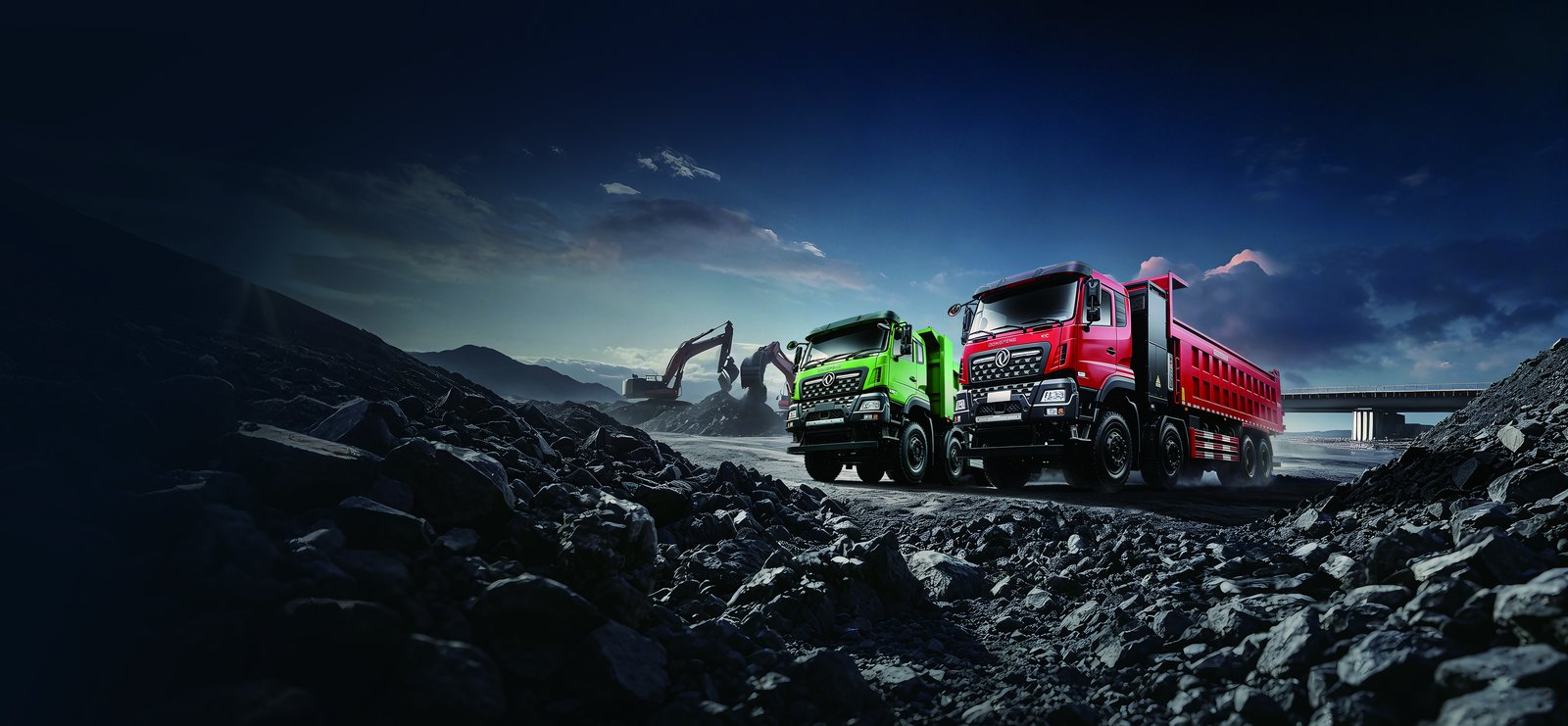
The TZ3V, with CATL 600 kWh LFP and dual motors of up to 550 kW, is rated for work up to 95 t GCW in mining trim and comfortably carries a 25–30 t aggregates payload over KZN's rolling terrain at a fraction of diesel running cost. The TE46, a 4x2 tractor with CATL 400 kWh and 42 t GCW rating, is built for exactly the short, heavy, repetitive container move.
South Africa's electricity story has changed faster than most fleet planners realise. Load shedding has eased materially since 2024, and more importantly for fleets, the Eskom tariff structure now rewards off-peak consumption heavily. A Megaflex-linked depot can buy night-time energy at roughly a third of peak rates. For an electric truck fleet that charges overnight, that tariff shape is a gift.
| Charging window | Indicative tariff (Megaflex-linked) | Fleet implication |
|---|---|---|
| Off-peak (22:00–05:00) | ~ZAR 1.10–1.40/kWh | Primary charging window — 80%+ of energy |
| Standard | ~ZAR 2.00–2.40/kWh | Midday top-ups only when needed |
| Peak | ~ZAR 3.50–4.50/kWh | Avoid — smart charging blocks these hours |
| Diesel equivalent | ~ZAR 6.50–8.00/kWh at the pump | The spread that pays for the fleet |
Even charging entirely at standard rates, a TZ3V hauling aggregates consumes about 1.4 kWh/km loaded — roughly ZAR 3/km against ZAR 9–11/km of diesel for an equivalent 8x4 tipper at South African pump prices. On 55,000 km/year that is a saving of ZAR 330,000–440,000 per truck per year on fuel alone.
We advise KZN operators to sequence deployment by mission certainty:
Total charging CAPEX across the three phases lands near ZAR 6–8 million for a 12–15 truck mixed fleet — repaid by the fuel spread inside three years even before maintenance savings, which run 40–50% lower per kilometre on electric drivetrains.
The KZN sugar sector deserves its own paragraph. Cane haulage is brutal on diesel trucks: muddy field pads, overloaded trailers on rolling district roads, and a crushing season that demands 20-hour availability. Electric drivetrains change the calculus in three ways. First, torque control protects the driveline on the soft field pads where diesel trucks spin wheels and burn clutches. Second, mill proximity — cane never travels more than about 50 km, so a 600 kWh TZ3V covers a full day of double-shift cane duty. Third, sugar mills co-generate electricity from bagasse; several KZN mills have explored selling power, and a mill-yard charger fed by bagasse power makes the cane supply chain genuinely circular. A pilot of three TZ3V units on one mill's catchment is enough to prove tonne-kilometre economics that, at current diesel prices, show payback in under three years of seasonal duty.
KZN fleets can receive EV trucks at their own doorstep. Durban's RoRo berths handle regular sailings from China, and the port's vehicle handling facilities are among the continent's best. South Africa applies its customs duty schedule with the reduced EV tariff band, and NRCS LOA plus SARS clearance documentation is part of our standard export package. RHD is standard across the Dongfeng electric line — a requirement, not an option, in South Africa. Typical RoRo transit from Shanghai or Guangzhou to Durban runs 30–34 days.
Mining corridors in Limpopo and the North West will electrify on mining-company capital and solar microgrids. But port cities are where South Africa's independent transporters live — and Durban's combination of Eskom off-peak tariffs, compressed freight geography and three distinct-but-shareable duty cycles makes it the strongest city-level EV truck business case in the country. The operators who build the depot now will own the cost curve for a decade.
Ready to electrify your fleet? Contact Shaanxi Fenghan Trading — authorized Dongfeng EV truck exporter. WhatsApp: +86 153 1943 1311 | Email: sales@fenghan-trade.com | dongfengevtrucks.com
🌐 Our Network: Fenghan Trade (SAGMOTO/SHACMAN Truck Export) · heavy duty mining dump truck 6x4 8x4