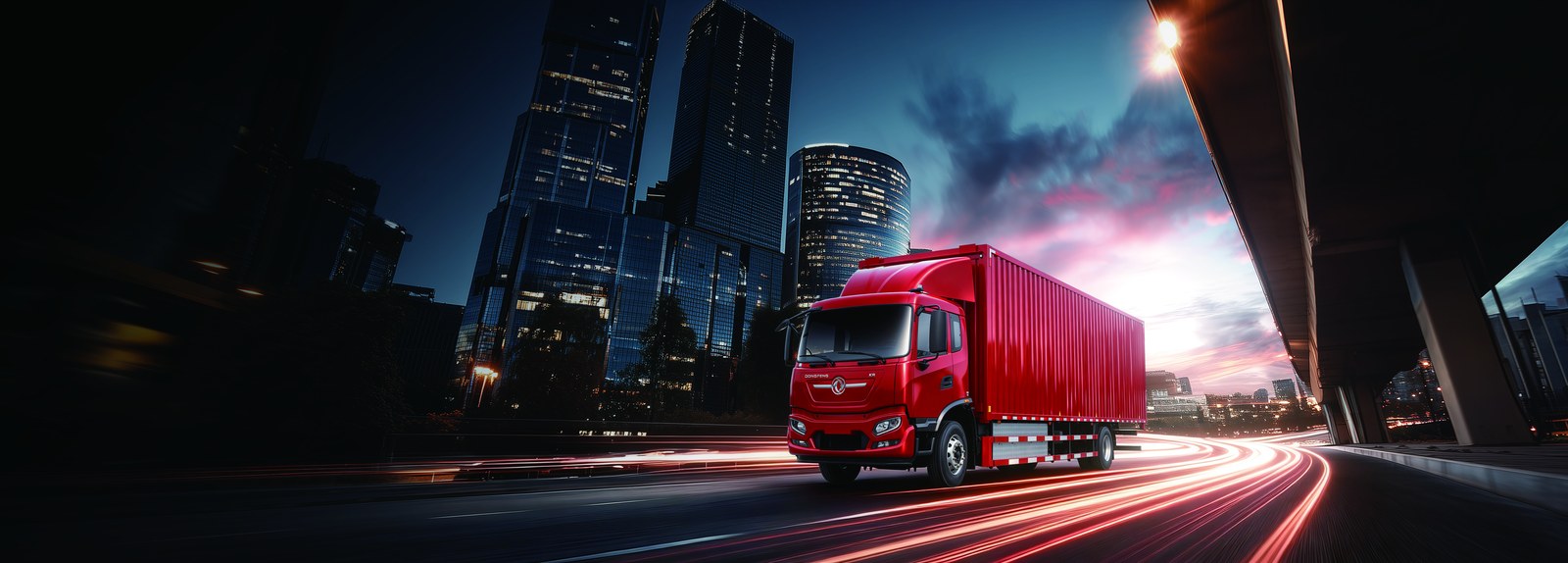
Cities that want cleaner air start with their own vehicles, and electric trucks make that straightforward. This guide covers electrifying municipal services in Bangladesh with a KT1D electric sweeper truck. See the KT1D electric sweeper truck page and our Bangladesh electric truck guide.
Municipal vehicles are the ideal first step for any city serious about air quality. They run fixed routes, return to a depot every night, and spend their days in the most populated streets. For Bangladesh, electrifying KT1D street and waste vehicles delivers cleaner air exactly where people live, while the depot charging is straightforward to install. Because these trucks are visible public assets, the political and reputational return is immediate as well as the environmental one.
A municipal fleet is not one vehicle but several. The KT1D covers the core duty of municipal street sweeping, and our range spans sweepers, water sprinklers, washing trucks and refuse compactors, all sharing the same electric architecture. For Dhaka and Chattogram, the practical approach is to map every route to a vehicle type, then electrify the routes with the most predictable duty cycles first. This is where the lowest total cost and the highest public visibility coincide.
| Specification | KT1D value |
|---|---|
| Configuration | 4x2 electric sweeper truck |
| Battery | CATL LFP 180-220 kWh |
| Drive motor | LvKong PMSM 180 kW (1,200 Nm) |
| Real-world range | 220-250 km |
| DC charge | 20-80% in 35-50 min |
| Capacity | hopper 4-6 m3 |
| Battery warranty | 8 years / 4,500 cycles to 70% SOH |
| FOB China price | US$55,000-70,000 |
Municipal depots have an advantage: they are owned, fenced and on a predictable schedule. That makes installing chargers easy. For a KT1D fleet, overnight AC charging covers the daily duty, with one or two DC fast chargers for vehicles that return mid-shift. Because the vehicles are home every night, a depot solar array can supply most of the energy, turning a recurring fuel budget into a one-off capital investment for Bangladeshi municipalities.
The gains from electrifying municipal services go beyond the fuel bill. An electric KT1D collecting waste at 5 a.m. is far quieter than a diesel, which matters in residential areas of Dhaka and Chattogram. It emits nothing at street level, improving air quality on the very routes where exposure is highest. Cities that have made the switch report fewer noise complaints and measurable improvements in local air-quality readings — outcomes that support the investment politically.
Municipal procurement is often constrained by capital budgets, so financing structure matters as much as price. Options for Bangladesh include green-bond funding, climate-finance facilities and leasing that converts the fuel saving into the lease payment. Because the KT1D has a lower cost per kilometre than the diesel it replaces, the operating saving can cover much of the capital cost over the vehicle’s life, which makes the case easier to defend to a council.
The safest path for a city in Bangladesh is a pilot: electrify one or two routes with KT1D vehicles, measure energy use, uptime and cost honestly, then scale what works. A pilot de-risks the procurement, builds driver and mechanic familiarity, and produces the real numbers needed to justify a full fleet conversion. Every successful municipal electrification we have supported started this way.
The conditions that make an electric truck viable are all present in Bangladesh. severe urban air quality and rising fuel import bills. Freight demand concentrates in and around Dhaka and Chattogram, where routes are short and predictable and the depot is never far away. Fuel logistics add cost and delay that a fleet charging its own vehicles simply avoids. For a KT1D electric sweeper truck on a garment logistics and municipal services duty cycle, this is not an experimental technology but a practical replacement for diesel, and the operators moving first are the ones who lock in the lowest cost per kilometre before their competitors do.
Electrifying a fleet in Bangladesh is a project, and running it in phases is what keeps it manageable. Phase one is a site and route audit: list every duty cycle, measure real daily distance and load, and map the depot power supply. Phase two is a pilot of two to five KT1D units on the most predictable routes, with chargers installed and drivers trained. Phase three is measurement — energy cost per kilometre, uptime, maintenance hours. Phase four is scaling what the data supports. Each phase de-risks the next and keeps the capital commitment matched to proven performance rather than optimism.
A KT1D electric sweeper truck carries a CATL LFP pack of 180-220 kWh and delivers a working range of 220-250 km, which fits a garment logistics and municipal services duty cycle in Dhaka and Chattogram with margin. The drive motor produces 180 kW (1,200 Nm), and DC charging takes the pack from 20% to 80% in the time shown in the specification table above. FOB China pricing for this configuration is US$55,000-70,000, and the landed cost depends on the destination tariff and duty position, which we confirm before quotation. Against diesel, the decisive lines are energy cost per kilometre, maintenance cost per kilometre, and price certainty across the life of the truck.
Within the KT1D range there are choices that matter more than cosmetics. The 4x2 layout suits the axle load and traction pattern of your duty cycle. Battery capacity of 180-220 kWh should be sized to the longest realistic daily route plus a safety margin, not to the biggest number on the brochure. Body and equipment specification — tipper, box, reefer, tank or compactor — should be matched precisely to the job in Bangladesh. Getting these four decisions right at order stage is far cheaper than modifying a truck after it lands.
Buying an electric commercial vehicle from China is not the same as buying a diesel truck. The exporter must understand high-voltage shipping requirements, battery transport regulations, charging compatibility with the destination grid, and the spare-parts and service picture in Bangladesh. Shaanxi Fenghan Trading has exported Dongfeng EV trucks across Africa, the Middle East, Central Asia and Latin America, and every shipment includes commissioning support, translated operator documentation and a starter spares package. For Bangladeshi customers, that support is the difference between a truck that works on paper and one that works on site.
Ready to electrify your fleet? Contact Shaanxi Fenghan Trading — authorized Dongfeng EV truck exporter. WhatsApp: +86 153 1943 1311 | Email: sales@fenghan-trade.com | dongfengevtrucks.com
🌐 Our Network: Fenghan Trade (SAGMOTO/SHACMAN Truck Export) · SAGMOTO cargo truck flatbed box stake