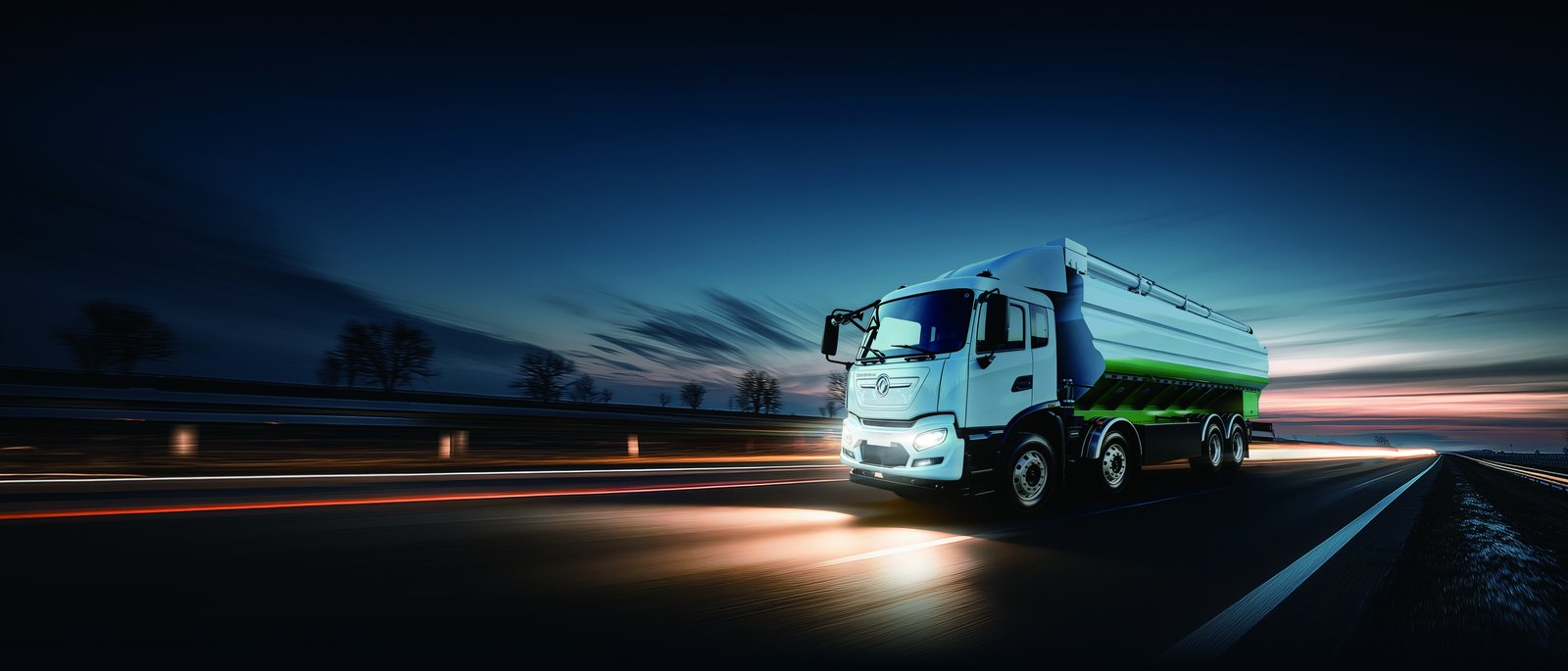
When we talk to fleet operators evaluating electric trucks for the first time, the conversation always lands on the same question: what kind of battery is in it, and what happens if it fails? The answer for every Dongfeng electric truck in our export line-up is the same: a CATL lithium-iron-phosphate (LFP) cell, packaged into a structural battery pack with liquid thermal management, certified to GB 38031 (China), UN 38.3 (UN transport), IEC 62619 (industrial), and ECE R100 (Europe) where applicable. This article explains why LFP, why CATL, and what that choice means for safety, cycle life, and total cost of ownership in the export markets we serve.
LFP stands for lithium-iron-phosphate, the cathode active material on the positive electrode of the lithium-ion cell. Compared with the more energy-dense NMC (nickel-manganese-cobalt) chemistry used in many passenger EVs, LFP sacrifices roughly 15 to 20 percent of volumetric energy density in exchange for substantially better thermal stability, longer cycle life, lower raw-material cost, and freedom from cobalt — a metal whose supply chain has well-documented ethical and geopolitical issues.
For commercial vehicles, where the battery pack is sized for range rather than packaging and the duty cycle is hundreds of high-load cycles per year, this trade-off strongly favours LFP. The energy-density gap is easily closed by adding a few more cells in the same chassis envelope.
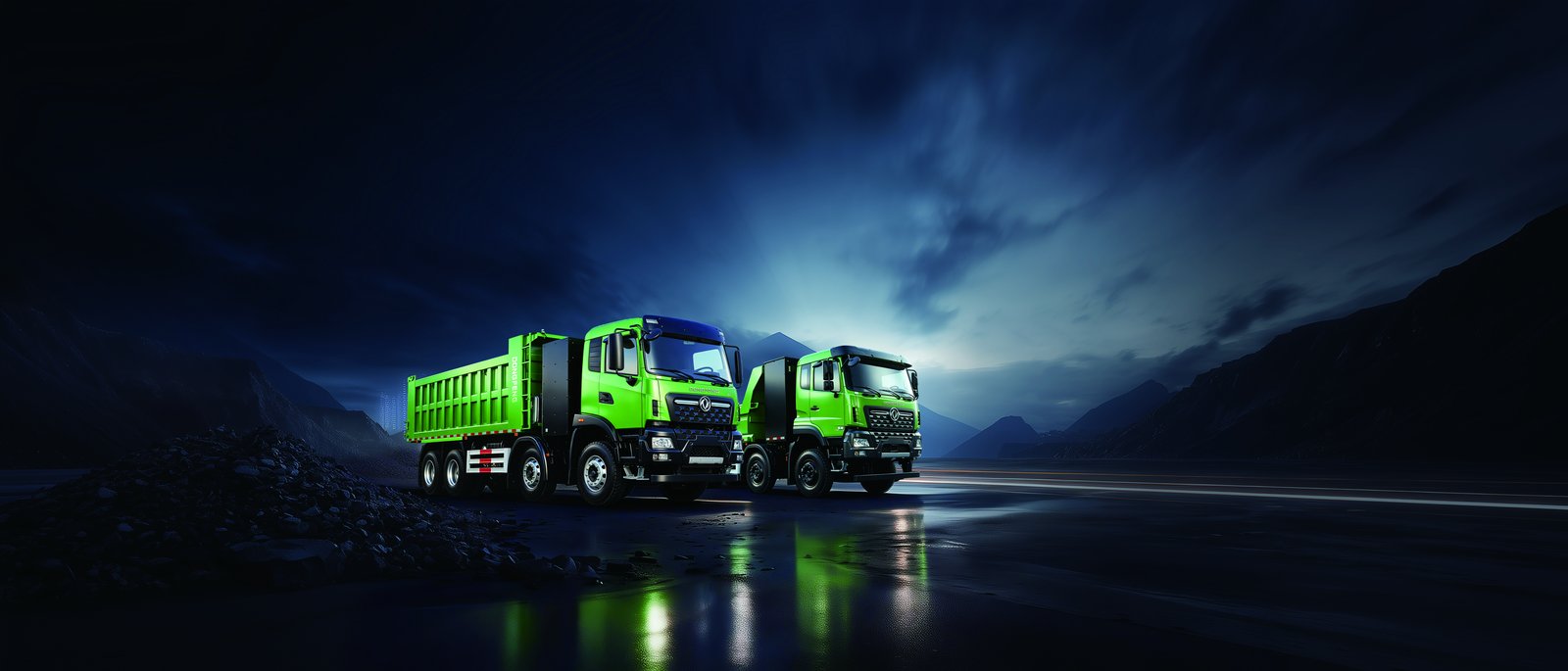
The defining safety property of LFP is its thermal-runaway onset temperature. LFP cathodes release oxygen only above approximately 300 °C, compared with 210 °C for typical NMC cathodes. This 90-degree gap translates in practice to:
For commercial fleets operating in hot climates (Sub-Saharan Africa, Middle East, tropical Southeast Asia), this safety margin matters operationally. The packs can be fast-charged at high state-of-charge in 50 °C ambient conditions without triggering thermal protection, and they tolerate long-term storage in unconditioned depots without calendar-life degradation penalties that affect NMC chemistry.
LFP cells routinely deliver 4,000 to 7,000 full equivalent cycles at 80 percent depth-of-discharge before reaching 80 percent of original capacity — the industry threshold for end-of-first-life in a commercial vehicle. This compares with 1,500 to 2,500 cycles for typical NMC cells. Translated into operating kilometres, the TZ3V 600 kWh pack can deliver more than 1,200,000 km in typical mining duty before the first battery overhaul, against approximately 450,000 km for an equivalent NMC pack.
For fleet economics, this is the single most important difference. The battery is the most expensive component of an electric truck, and its replacement cost (or avoidance of that cost over the operating life) drives the total cost of ownership calculation. With LFP, the battery will outlast the rest of the truck in almost every realistic duty cycle, eliminating the largest replacement reserve most fleet operators have to budget for.
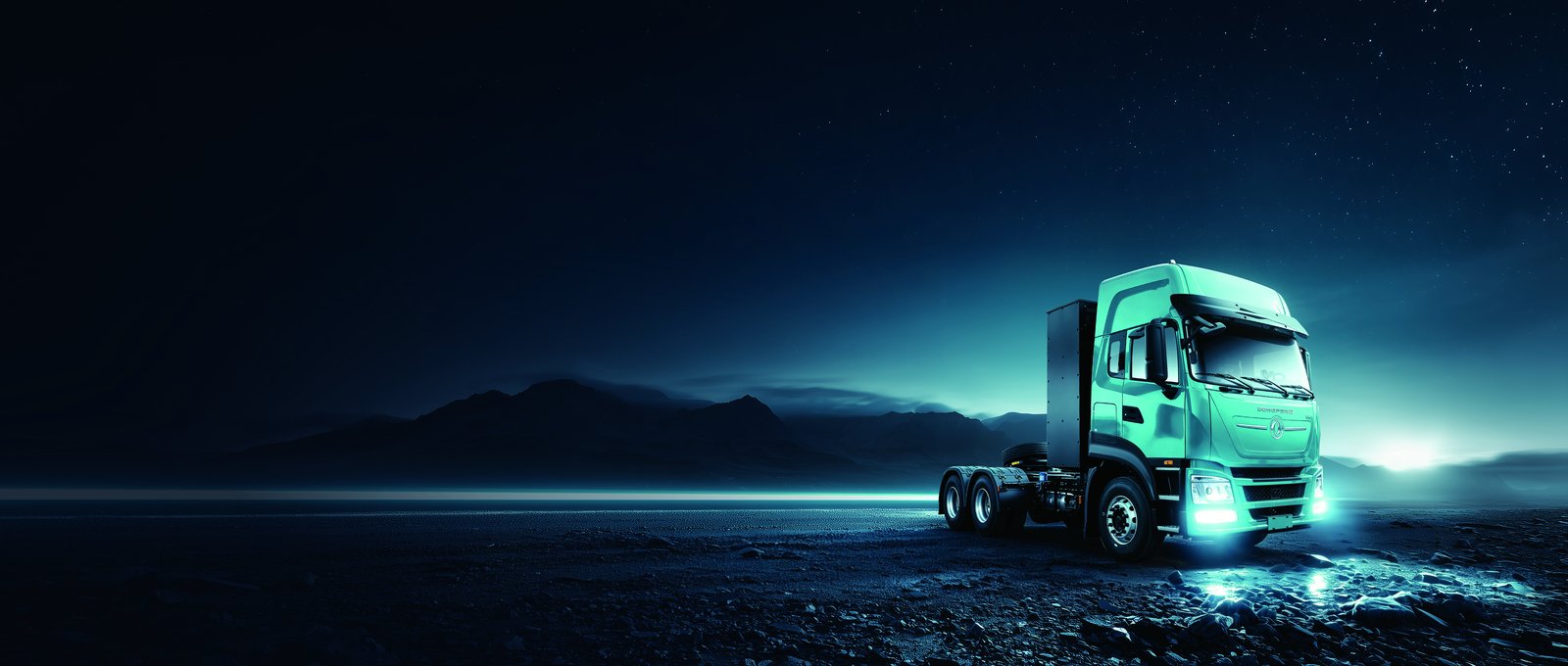
CATL (Contemporary Amperex Technology Co., Limited) is the world largest battery manufacturer, supplying more than 35 percent of global EV battery demand in 2025. The company commercial-vehicle packs are produced in fully automated cell-to-pack lines with:
CATL commercial-vehicle battery warranty is 5 years or 300,000 km (engineering / off-road / construction) or 5 years or 500,000 km (highway / on-road), whichever comes first, with state-of-health below 70 percent triggering warranty replacement. Optional extended-warranty extensions are available up to 8 years / 800,000 km at modest additional cost.
CATL LFP packs have been deployed in commercial vehicles across more than 80 countries. Documented real-world data from the past three years shows:
By contrast, NMC commercial-vehicle packs have seen several widely publicised fire incidents in 2023 - 2025, including notable urban-bus and last-mile-delivery-van events that led to fleet-wide recalls in Europe and the United States.
LFP chemistry contains no cobalt, no nickel, and only common iron and phosphate materials, which dramatically simplifies the recycling process. Hydrometallurgical recycling of LFP cells recovers more than 95 percent of the lithium for direct reuse in new cells, at substantially lower environmental cost than NMC recycling. Several operators we work with in the Gulf States and Europe have begun second-life deployments of retired CATL LFP packs in stationary grid-storage applications, creating an additional revenue stream at end-of-truck-life.
The choice of CATL LFP chemistry for our electric trucks is not accidental. The combination of thermal stability, 4,000+ cycle life, integrated BMS, cobalt-free raw materials, and global service network makes LFP the clear best-choice for commercial-vehicle applications in export markets. When you buy a Dongfeng electric truck from Fenghan Trading, you are buying more than 10 years of expected operating life from the battery, with safety characteristics that protect your operators and your assets. Contact our sales team for technical specifications, warranty terms, and end-of-life recycling options in your destination country.
Explore more at our Dongfeng EV Trucks · Fenghan Trade · Sagmoto Official.